
























The 150-Year Mystery of Pliohippus: Why Paleontologists Still Can't Explain This Fossil Horse's Face
This article explores the enduring paleontological mystery of Pliohippus, an extinct fossil horse that has been displayed at the Field Museum for over 80 years. The central puzzle is the horse's unusual preorbital fossa — a pronounced cavity in front of the eye socket whose function has baffled scientists since the species was named in 1874. The article discusses various hypotheses (such as a scent gland, jaw muscle attachment, or resonating chamber) and highlights how even modern technology like CT scanning has failed to solve the mystery, making it a humbling reminder of the limits of paleontological knowledge.
Key quotes
I don't know what's going on with this horse's face.
The preorbital fossa of Pliohippus has been a paleontological head-scratcher since the horse was named in 1874.
Bizarre structures often seem to call for exceptional explanations.
Even with all our modern technology, we still can't figure out what this weird hole in a fossil horse's face was for.
From the article
You might also wanna read

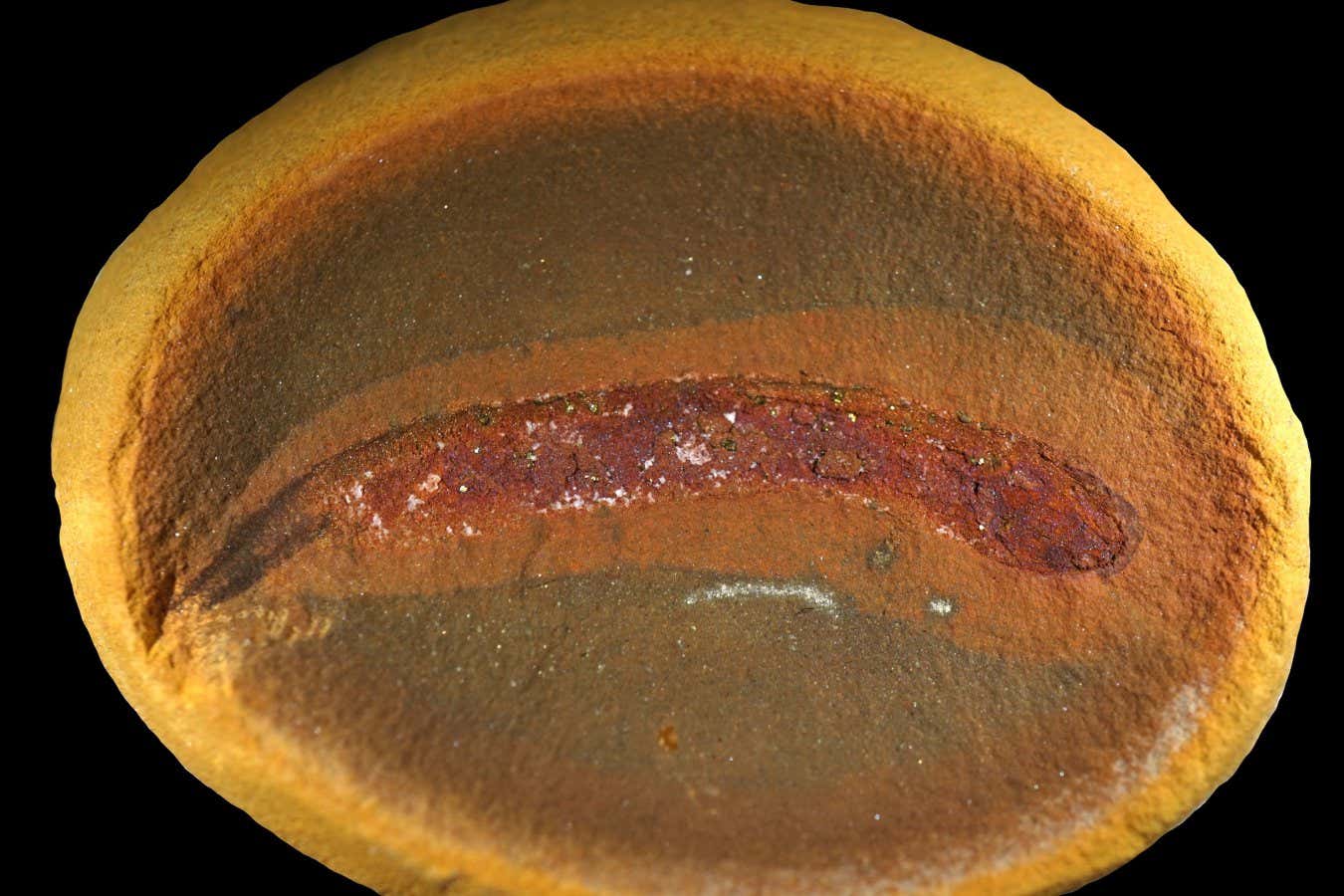
300-million-year-old fossils challenge theory that early land animals had amphibian-like life cycles
A set of exquisitely preserved 300-million-year-old fossils suggests that early four-limbed vertebrates (tetrapods) did not undergo metamorp
 newscientist.com·12d ago
Spriggina floundersi Fossil Shows Earliest Right-Handedness
Paleontologists make 'one in a million' discovery of soft tissue preserved in 450-million-year-old fossil

Rare 309-million-year-old fossils suggest early tetrapods developed without tadpole phase
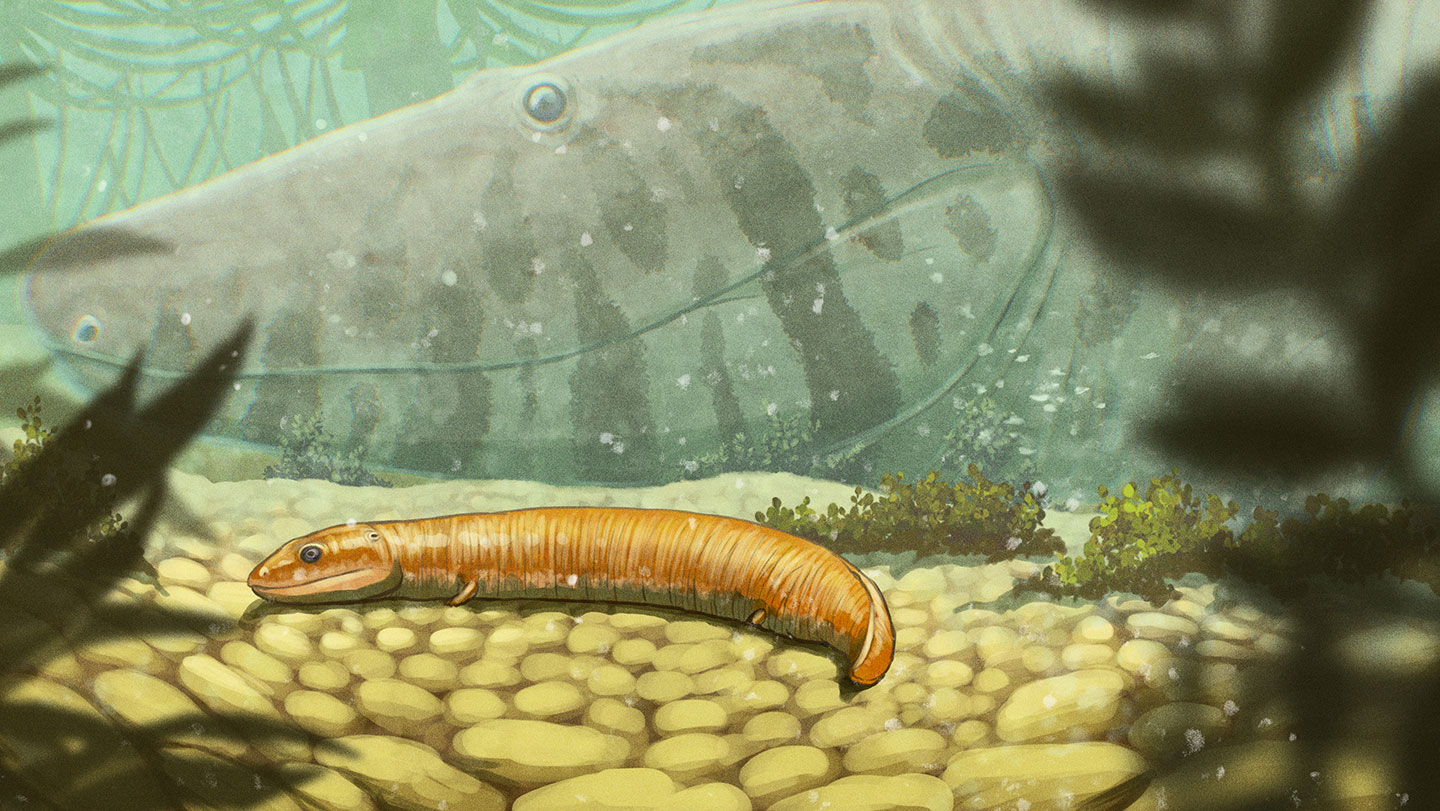
Fossil study challenges assumption that early land vertebrates underwent amphibian-like metamorphosis
New fossil evidence challenges the long-held assumption that early land vertebrates underwent amphibian-like metamorphosis. Researchers stud
 sciencenews.org·17d ago
Fossil study challenges assumption that early land vertebrates underwent amphibian-like metamorphosis
New fossil evidence challenges the long-held assumption that early land vertebrates underwent amphibian-like metamorphosis. Researchers stud
sciencenews.org·17d ago
Comments
Sign in to join the conversation.
No comments yet. Be the first.