
























Chandra Observatory reveals surprising X-ray brightness variations in supernova remnants of galaxy M83
Summary
NASA's Chandra X-ray Observatory data spanning over 14 years reveals that more than 20 previously identified supernova remnants in the galaxy Messier 83 (M83) are varying unexpectedly in X-ray brightness. These variable sources represent roughly half of the X-ray sources associated with supernova remnants in the study sample, challenging previous assumptions about the stability of these stellar remnants.
Source
 Twitter / XChandra Observatory reveals surprising X-ray brightness variations in supernova remnants of galaxy M83chandra.si.edu
Key quotes
· 3 pulledBy analyzing data from NASA's Chandra X-ray Observatory that span over 14 years, researchers found over 20 previously identified supernova remnants — remains from stars that exploded — that vary unexpectedly in X-ray brightness in Messier 83 (M83).
These represent roughly half of the X-ray sources associated with supernova remnants in their sample in M83.
This graphic shows two of the X-ray sources in a nearby galaxy that are changing their brightness in surprising ways as described in our latest press release.
You might also wanna read

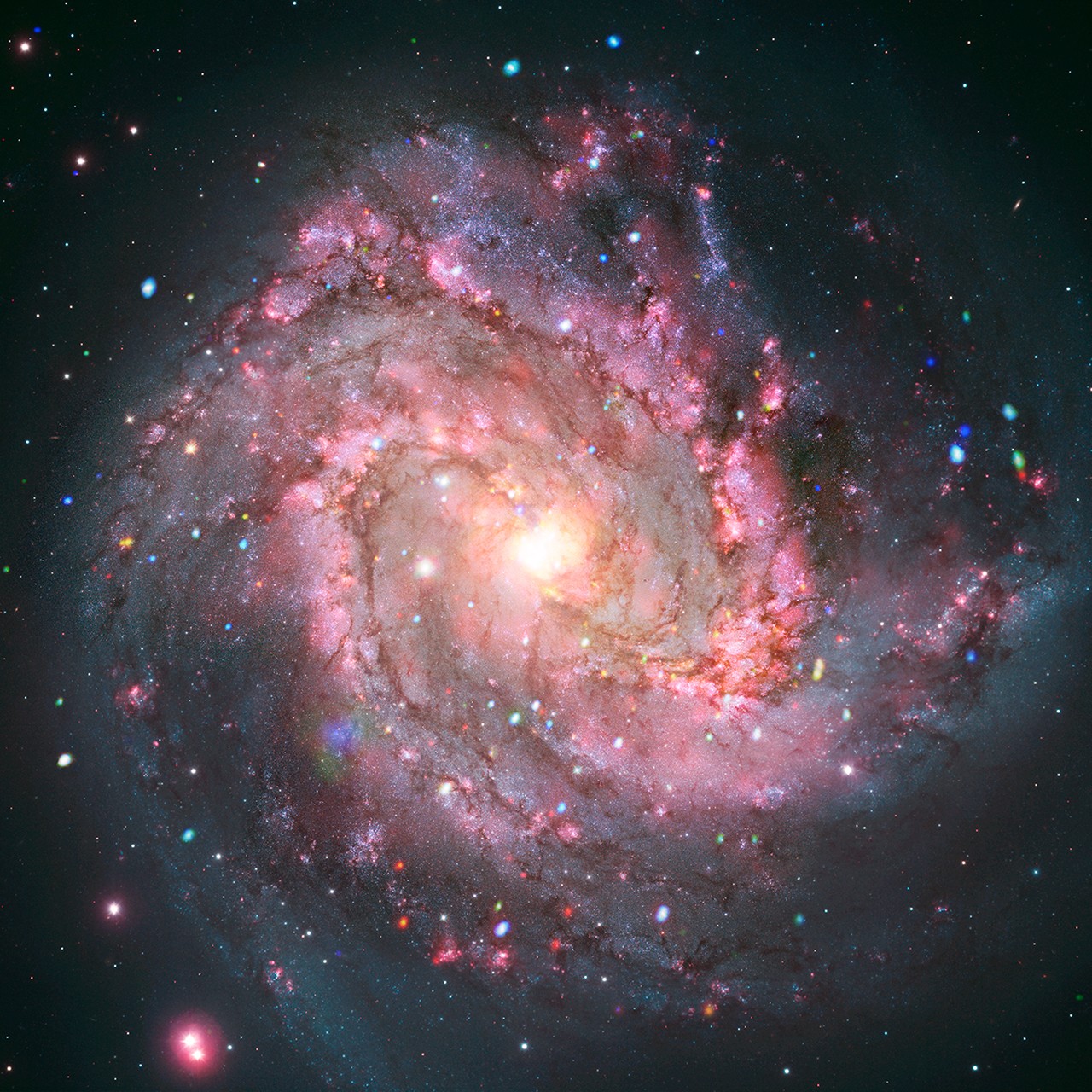
NASA's Chandra Observatory Discovers Unexpected Brightness Changes in Supernova Remnants in Galaxy M83
Astronomers using NASA's Chandra X-ray Observatory studied the galaxy Messier 83 (M83) over a 14-year period and unexpectedly discovered tha
 science.nasa.gov·17d ago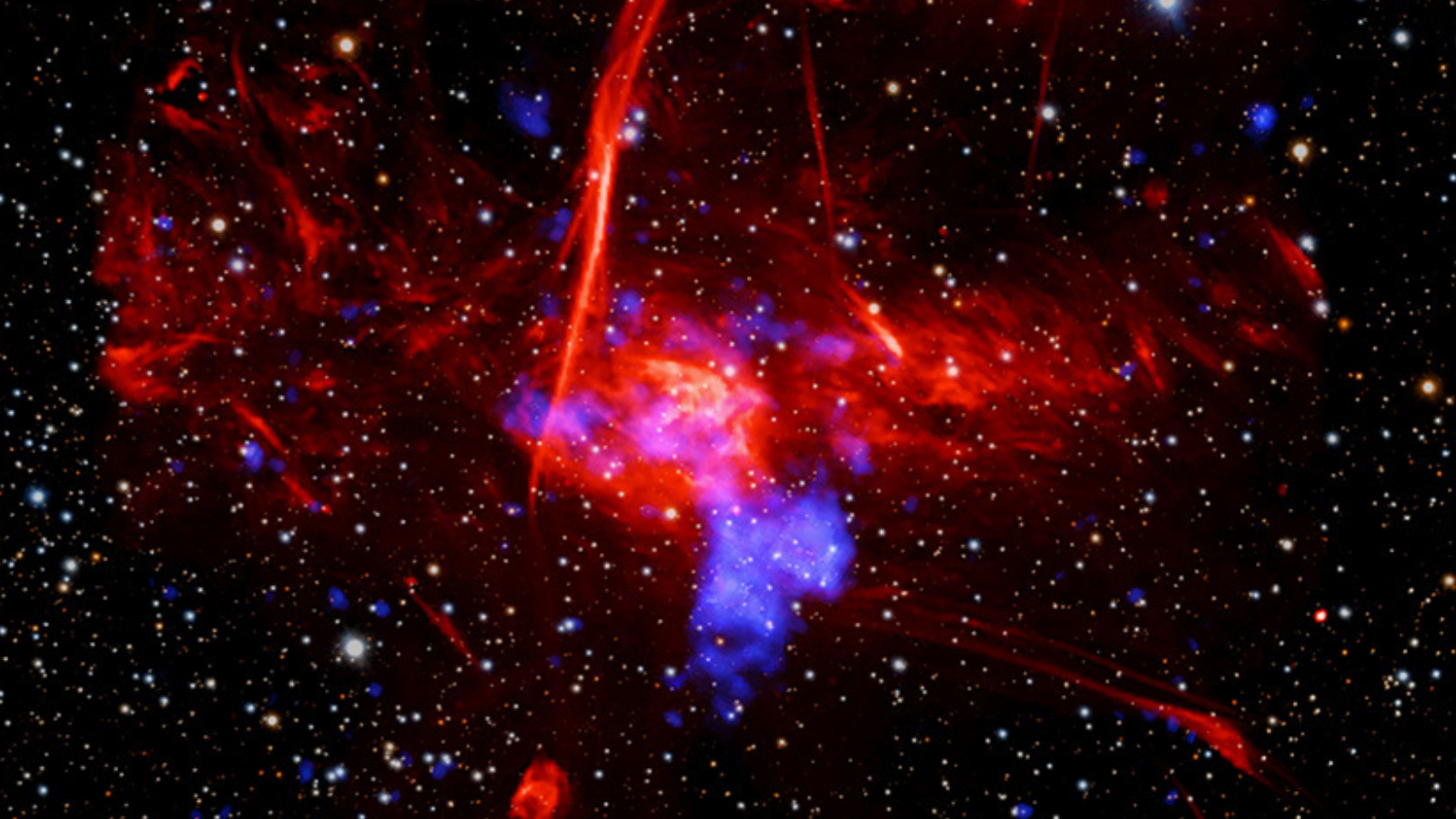
NASA's Chandra X-ray Observatory detects supernova debris near Milky Way's supermassive black hole
NASA's Chandra X-ray spacecraft has detected supernova wreckage near Sagittarius A*, the supermassive black hole at the center of the Milky
 space.com·20d ago
NSF VLA Reveals Supermassive Black Holes Emit Radio "Burps" Years After Destroying Stars
Astronomers using the NSF Very Large Array have discovered that supermassive black holes continue to emit radio waves years after tearing ap
 public.nrao.edu·20d ago
NASA celebrates America's 250th birthday with incredible views of space

Machine Learning Validates Unrecognized Transient Astronomical Phenomena in Historical Observatory Images
This research paper uses machine learning to validate the existence of previously unrecognized transient astronomical phenomena in historica
 arxiv.org·2mo ago
GRMHD simulations explore black hole accretion variability in X-ray binary transients
This article discusses GRMHD (General Relativistic Magnetohydrodynamic) simulations of black hole accretion flows, specifically examining va
 astrobites.org·25d ago
Comments
Sign in to join the conversation.
No comments yet. Be the first.