
























Large review finds no convincing evidence that most IVF add-ons improve success rates
By
The Economist
Summary
A review published in The Lancet Obstetrics, Gynaecology & Women's Health examined the evidence behind "IVF add-ons" — tests and procedures fertility clinics offer to boost success rates. The review found no convincing evidence that most of these add-ons are helpful, and noted that much of the published evidence is dubious. With about 60% of IVF attempts failing, the findings raise concerns about the value of expensive supplementary procedures offered to patients.
Source
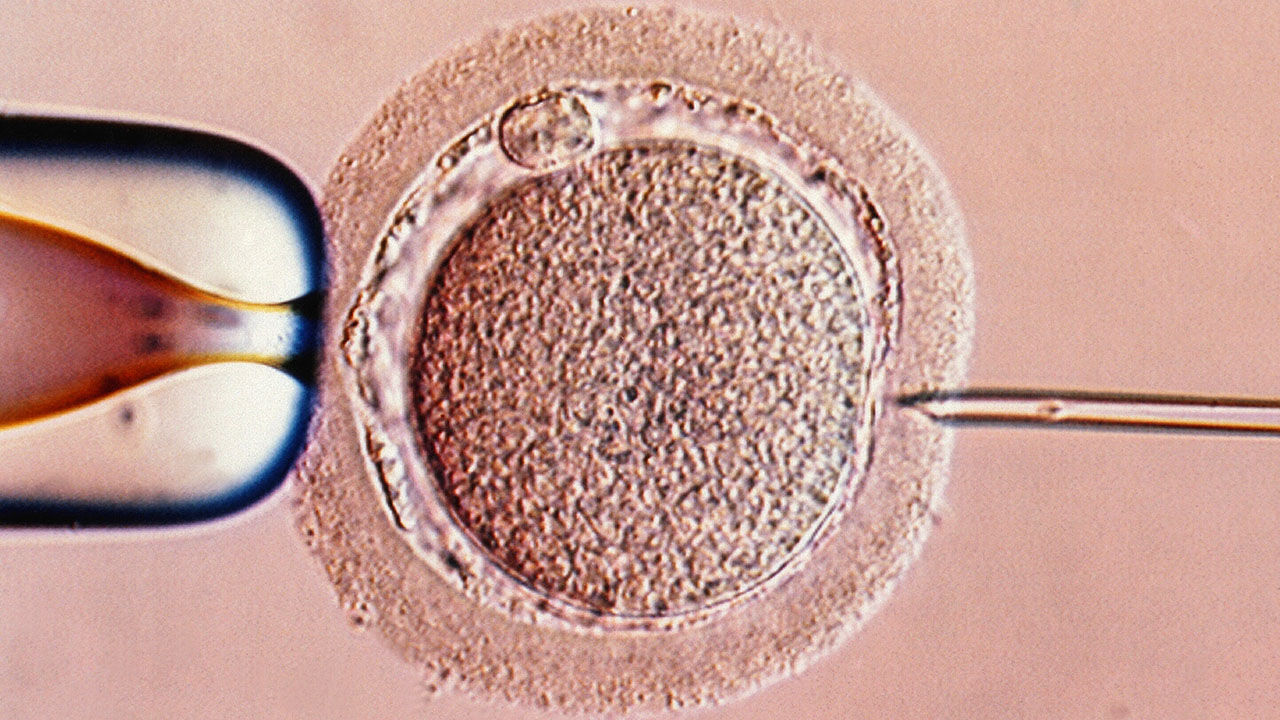
 Twitter / XLarge review finds no convincing evidence that most IVF add-ons improve success rateseconomist.com
Key quotes
· 3 pulled40% of the time, it works every time
About 60% of IVF attempts fail.
a review of the evidence, published on June 23rd in the Lancet Obstetrics, Gynaecology & Women's Health, found no convincing evidence that most of these 'IVF add-ons' are helpful
You might also wanna read
Longevity Is Now a Factor When Picking an Embryo for IVF


In search of a facelift without a knife — the rise of stem cell tourism
 ft.trib.al·28d ago
Are multivitamin pills worth taking? The evidence is more nuanced than you think
The article examines the debate around multivitamin supplements. While many doctors dismiss them as producing "expensive urine" and a 2013 e
 econ.st·23d ago
Examining the Reality Behind Claims That ChatGPT Cured a Dog's Cancer
The article examines a viral story about an Australian tech entrepreneur who claimed ChatGPT helped cure his dog's cancer. While the narrati
 The Verge·3mo ago
Improved CRISPR base editing shows safer embryo gene editing, but major ethical questions remain
A US team has used an improved CRISPR technique called base editing to edit human embryos without introducing harmful mutations, marking a p
 newscientist.com·22d ago
Base editing in human embryos corrects some mutations but introduces others, preprint shows
A preprint released by geneticist Dieter Egli and collaborators at Columbia University demonstrates the use of base editing in human embryos
 cen.acs.org·20d ago
Comments
Sign in to join the conversation.
No comments yet. Be the first.