
























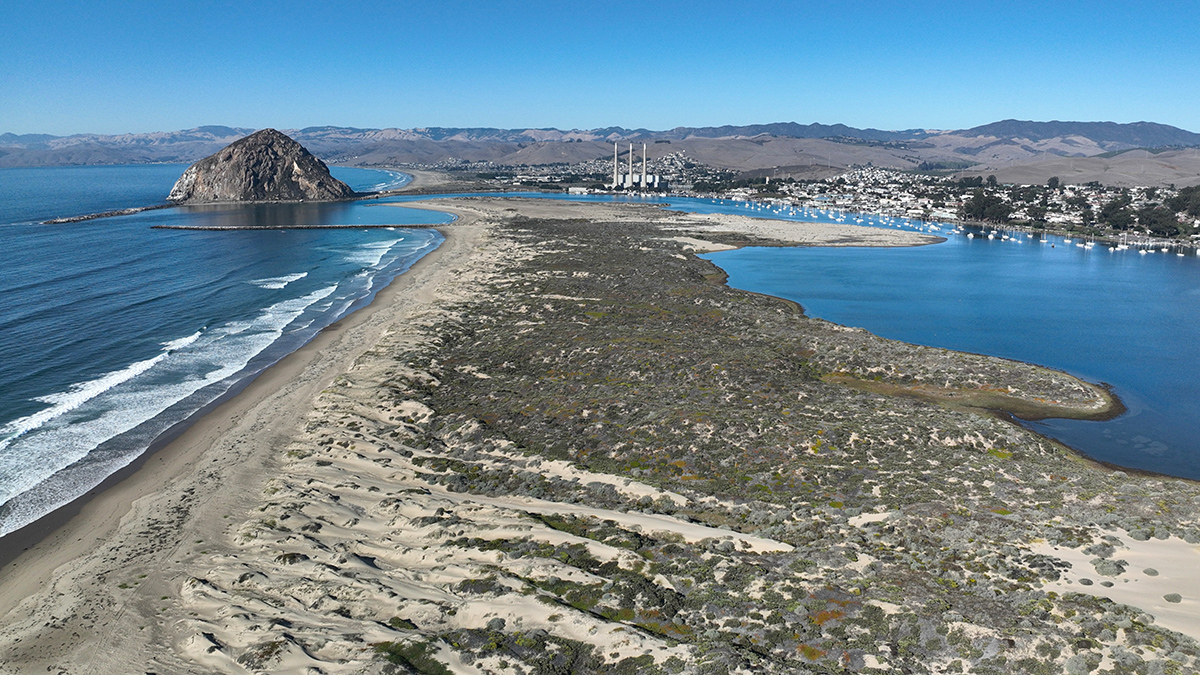
Study: California has lost 60% of its coastal sand dunes since the 1800s
By
Saima May Sidik
Summary
A new study published in Earth's Future reveals that California has lost 60% of its coastal sand dunes since the mid-1800s. The research, which combined aerial photos with lidar data, shows that dunes are threatened by urban development and sea level rise. These dunes are critical for protecting coastal communities from flooding and supporting diverse plant and animal life, yet they occupy prime land for human development, making them highly vulnerable.
Source
 bskyStudy: California has lost 60% of its coastal sand dunes since the 1800seos.org
Key quotes
· 3 pulledCalifornia has lost 60% of its coastal sand dunes since the mid-1800s, a new study shows.
In addition to protecting coastal communities from flooding, dunes support a wide range of plants and animals.
They occupy some of the most favorable land for human development and are also highly threatened by sea level rise.
You might also wanna read

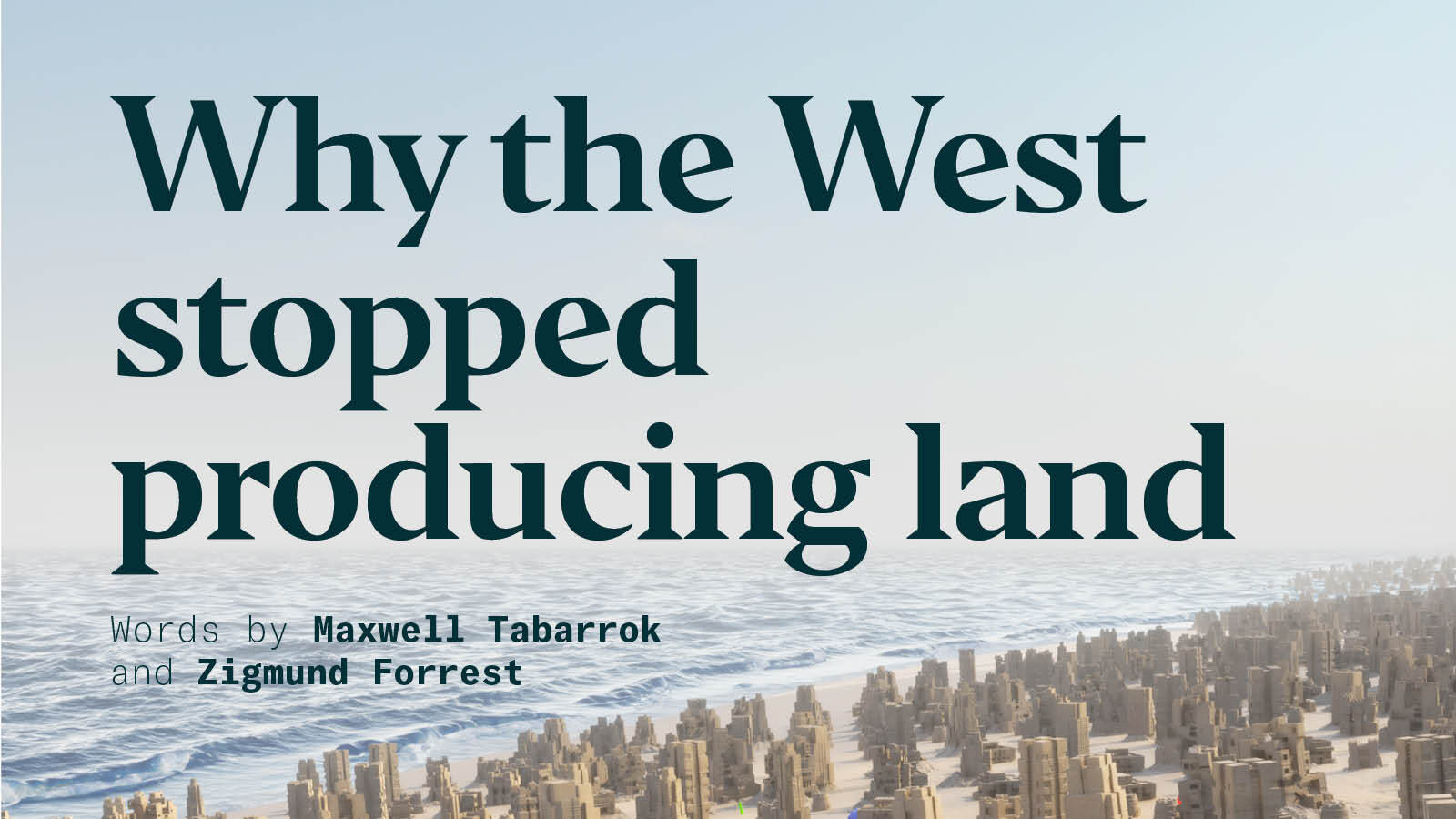
Why America stopped reclaiming land from the sea — and what we lost
This article explores the history of land reclamation in America's coastal cities, revealing that about 8% of land in major coastal cities w
 worksinprogress.co·9d ago
A More Troubling Picture of Sea Level Rise Is Coming into View

Study of 5,100 species finds 45% local extinction rate due to climate change across 40,000 sites
A large-scale study reviewing 5,100 species across 40,000 sites found that 45% of species have experienced local extinction in the warmest p
 interestingengineering.com·13d ago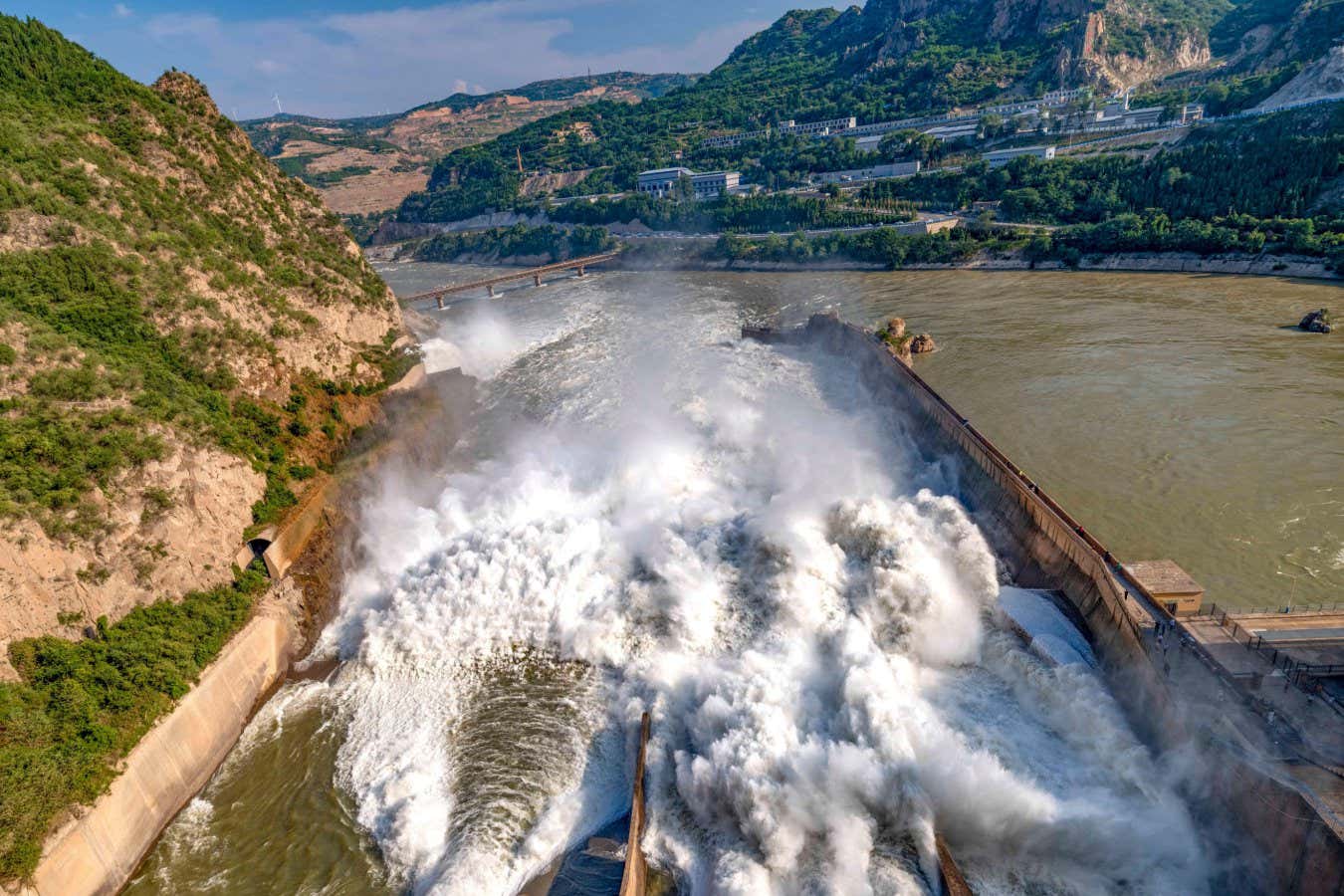
Study: Over half of world's reservoirs could lose function by 2060 due to sediment build-up
A study predicts that over half of the world's freshwater reservoirs will be "functionally dead" by 2060 due to sediment build-up. Dams bloc
 newscientist.com·13d ago
Rising seas make once-rare coastal floods 12 times more likely
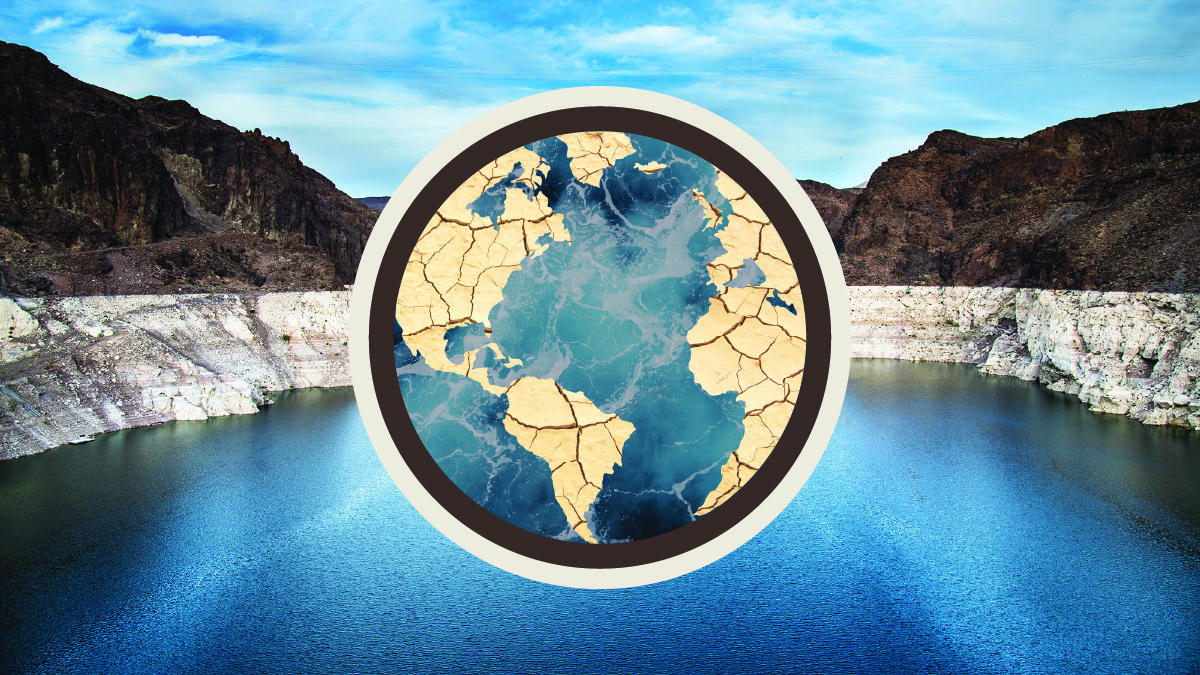
Global Study Warns of Alarming Freshwater Loss Due to Climate Change and Human Activity
A new study led by Arizona State University, published in Science Advances, reveals alarming freshwater loss across Earth's continents since
 news.asu.edu·11mo ago
Comments
Sign in to join the conversation.
No comments yet. Be the first.