

























Study: Over half of world's reservoirs could lose function by 2060 due to sediment build-up
By
James Woodford
Summary
A study predicts that over half of the world's freshwater reservoirs will be "functionally dead" by 2060 due to sediment build-up. Dams block silt, sand, and gravel from flowing downstream, causing material to accumulate in reservoirs and shrink water storage capacity. Researchers led by Kai Liu at the Chinese Academy of Sciences used satellite imagery, sedimentation data, and machine learning to analyze over half a million reservoirs, finding that each decade the world loses over 7% of its freshwater storage capacity to sediment build-up. The trapped sediment also compromises dam safety and damages downstream ecosystems.
Source
 Twitter / XStudy: Over half of world's reservoirs could lose function by 2060 due to sediment build-upnewscientist.com
Key quotes
· 3 pulledOver half of the planet's freshwater reservoirs will be 'functionally dead' by 2060 due to sediment build-up, a study has predicted.
Each decade the world is losing over 7 per cent of its freshwater storage capacity to sediment build-up, according to an analysis of over half a million reservoirs.
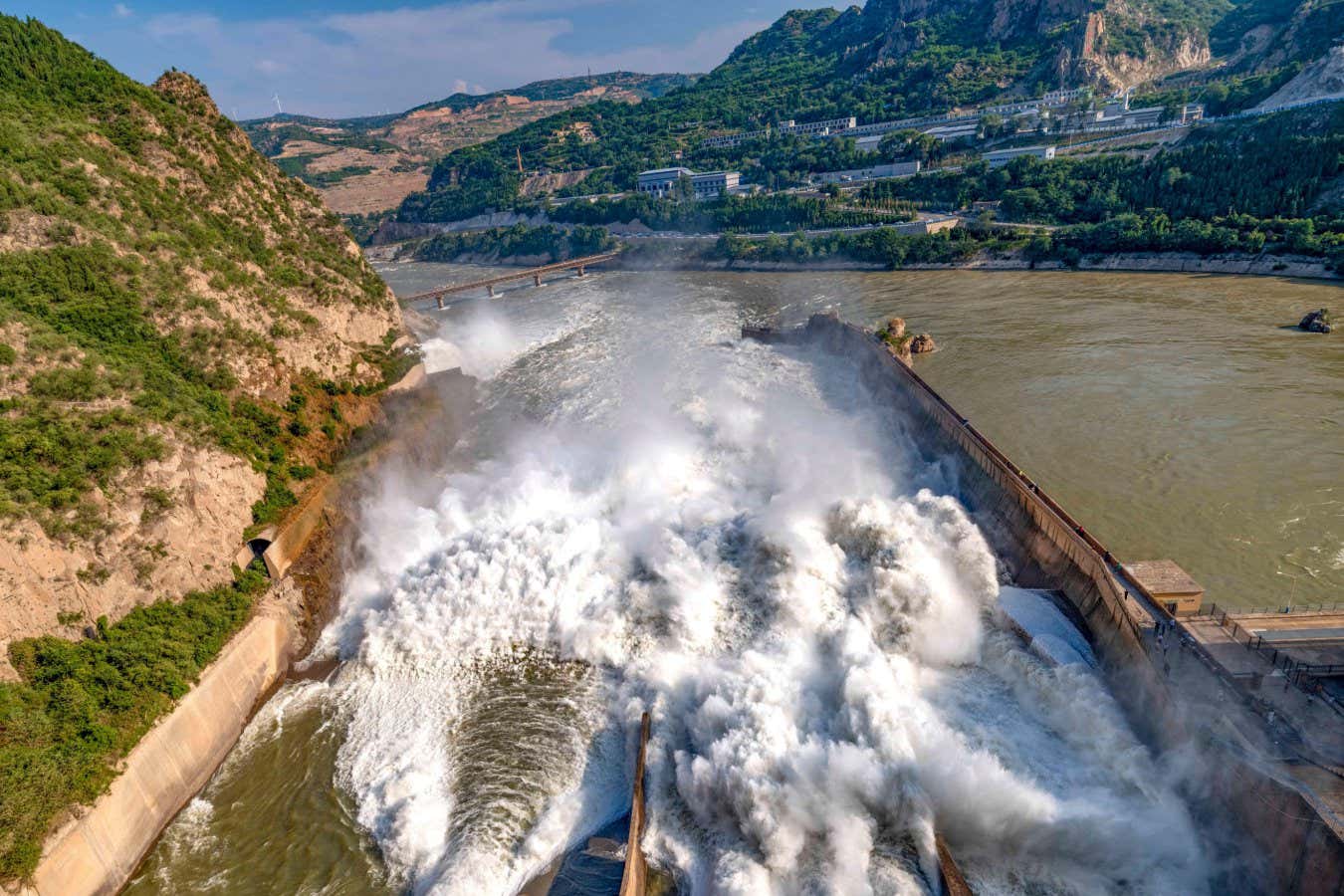
Dams block silt, sand and gravel from flowing downstream, so over time this material accumulates in reservoirs, shrinking the space for water.
You might also wanna read

Global Study Warns of Alarming Freshwater Loss Due to Climate Change and Human Activity
A new study led by Arizona State University, published in Science Advances, reveals alarming freshwater loss across Earth's continents since
 news.asu.edu·10mo ago
Europe removes record 603 dams in 2025 to restore river ecosystems
Europe removed a record 603 dams and barriers across 21 countries in 2025, reconnecting thousands of kilometers of rivers. The article focus
 cnn.com·25d ago
Europe's record dam removal in 2025 restores rivers and revives salmon populations
Europe removed a record 603 dams and barriers across 21 countries in 2025, reconnecting thousands of kilometers of rivers. The article focus
 edition.cnn.com·25d ago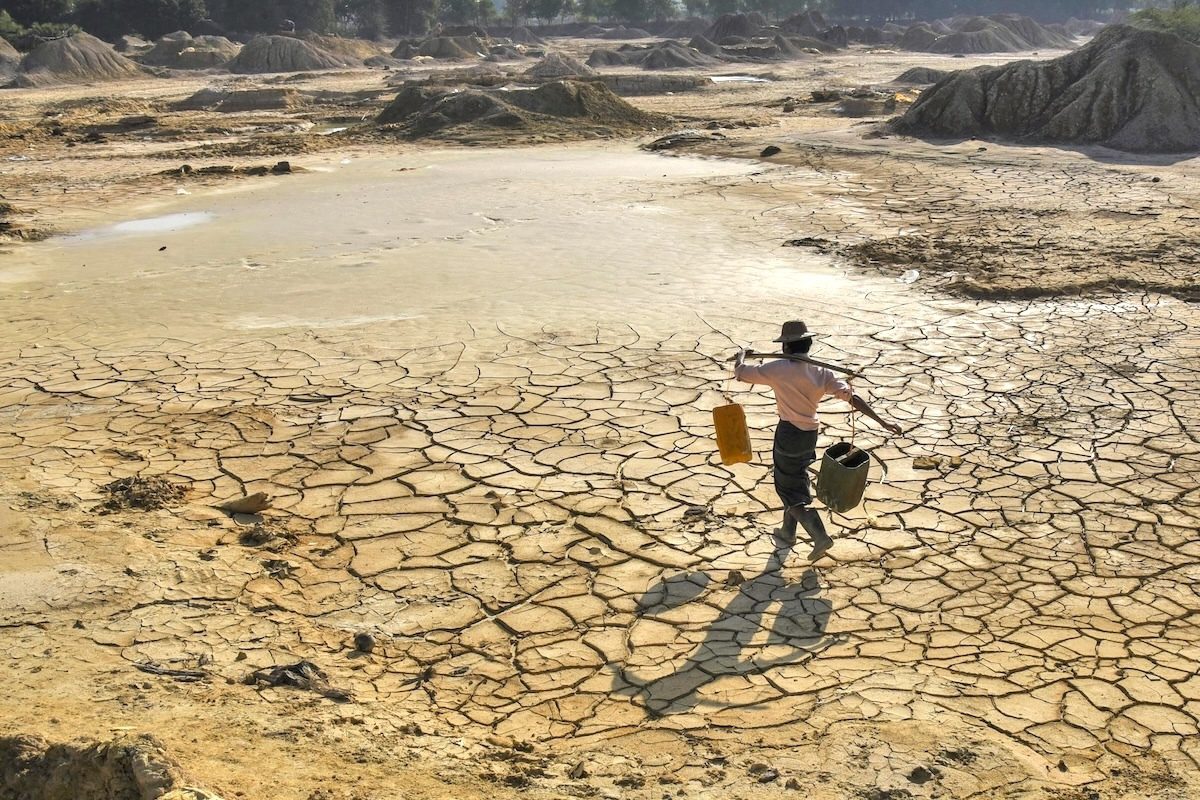
U.N. Report Warns of Global 'Water Bankruptcy' Crisis as Fresh Water Reserves Depleted Faster Than Replenished
A new U.N. report warns that much of the world is facing 'water bankruptcy' as countries are consuming fresh water faster than it can be rep
 e360.yale.edu·5mo ago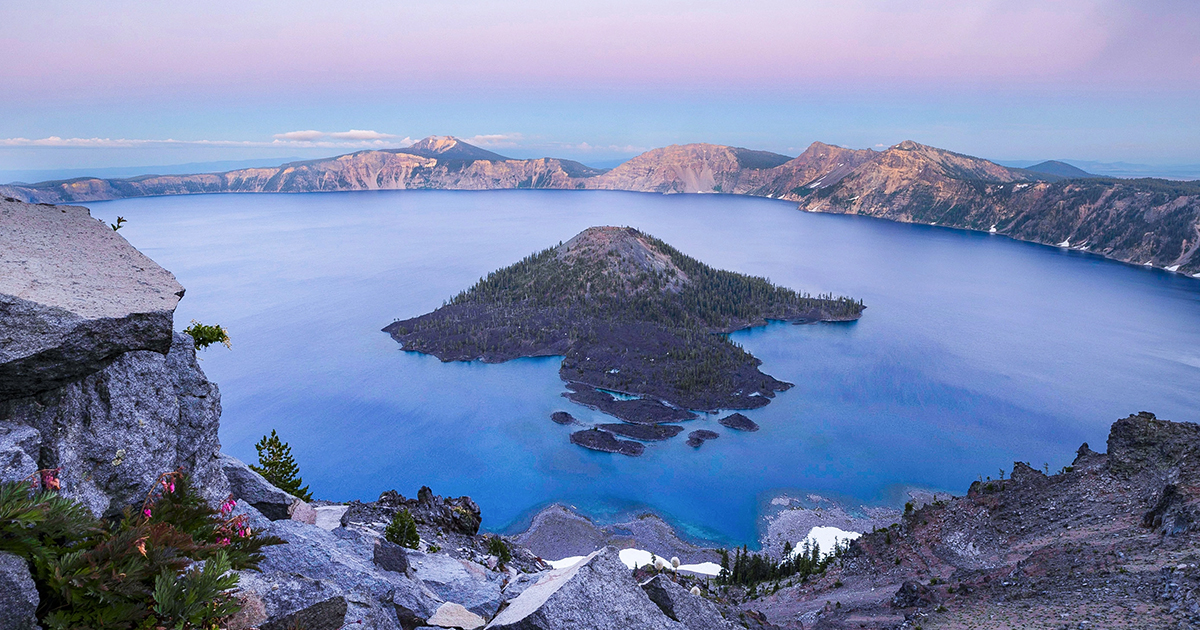
Climate Change Slows Water Mixing in Crater Lake, Threatening Ecosystem Health
Scientists are studying how climate change is affecting the mixing of water layers in deep lakes like Crater Lake in Oregon. The annual mixi
 quantamagazine.org·7mo ago
Continental-scale study reveals how dead foundation species shape ecosystem memory and living conspecifics
This article presents the first continental-scale study of how dead foundation species (trees, grasses, corals, oysters) continue to influen
 science.org·8d ago
Comments
Sign in to join the conversation.
No comments yet. Be the first.