
























Venus: How Earth's Sister Planet Became a Hellish World of Extreme Heat and Pressure
By
Brandon Holloman
Summary
Venus, often called Earth's sister planet due to similar size and mass, is actually vastly different from Earth — earning it the nickname "Earth's evil twin." The article explores Venus's extreme conditions, including its runaway greenhouse effect, crushing atmospheric pressure, scorching surface temperatures hot enough to melt lead, and sulfuric acid clouds. It contrasts Venus's hostile environment with Earth's habitable conditions, explaining how the two rocky planets diverged so dramatically despite their similarities.
Source
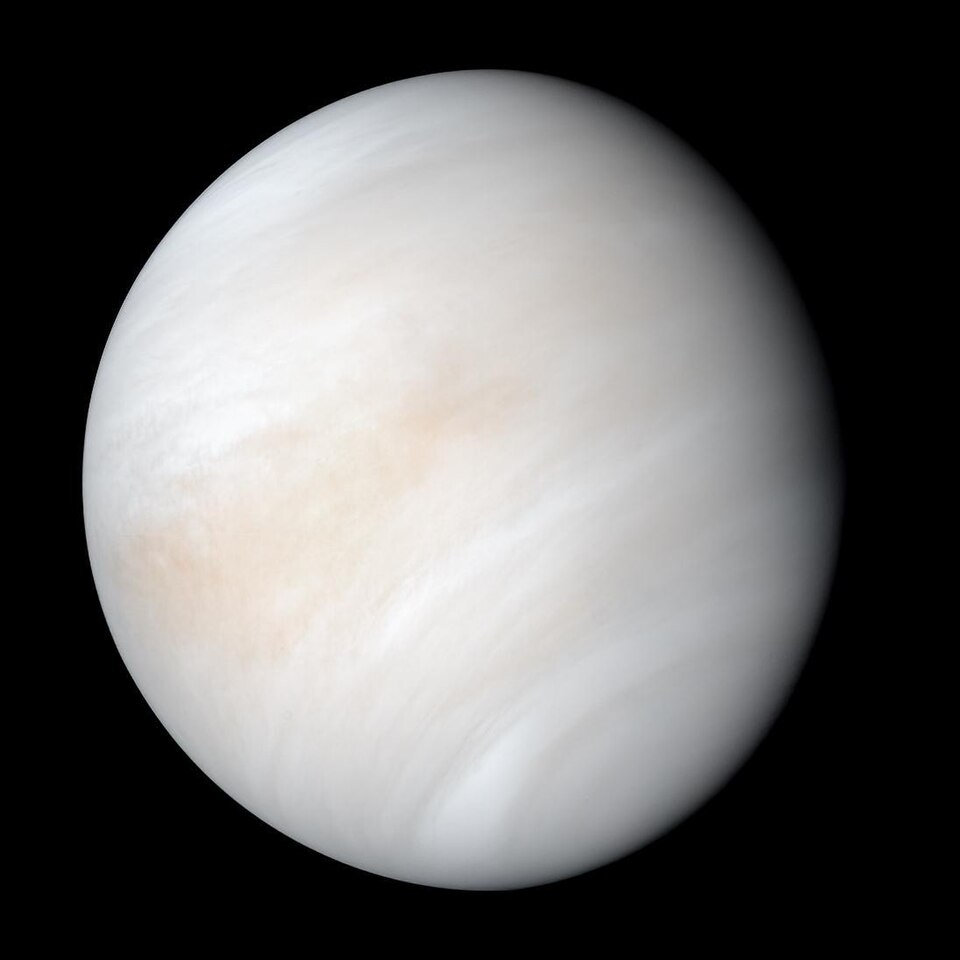
 bskyVenus: How Earth's Sister Planet Became a Hellish World of Extreme Heat and Pressureamidthestarstours.com
Key quotes
· 3 pulledVenus has often been called Earth's sister planet.
Venus is actually about as different from Earth as a rocky planet can get, in no small part thanks to its extreme temperatures and pressures.
Earth's evil twin might be the better description.
You might also wanna read

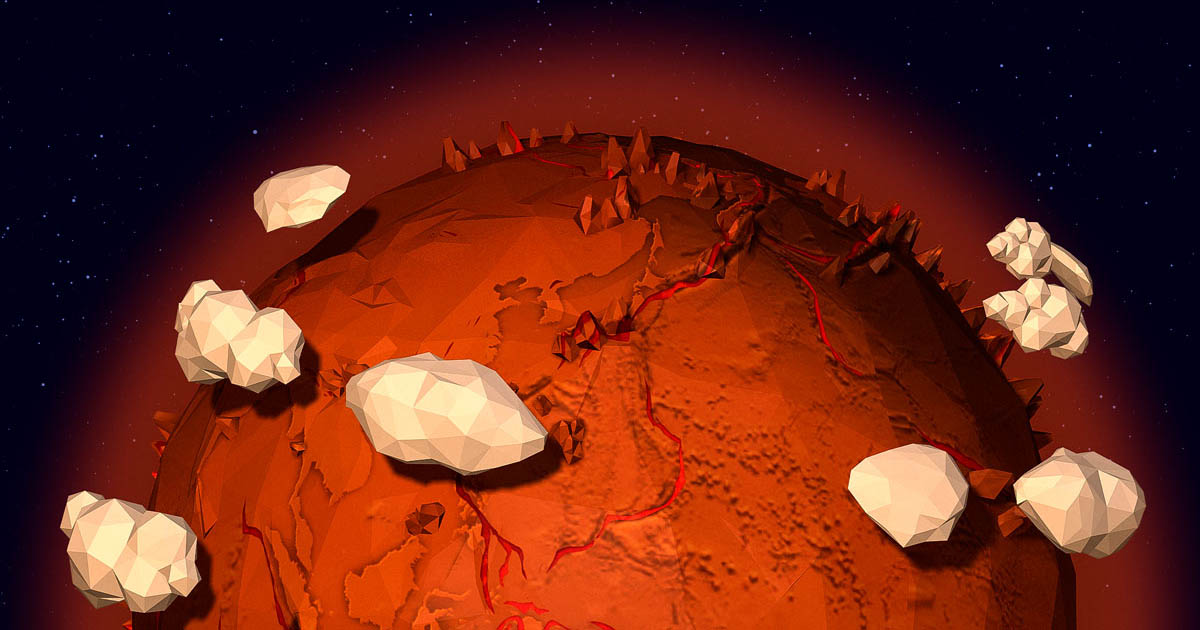
Venus vs Earth: The Scientific Mystery of Planetary Evolution and Habitability
This article explores the scientific mystery of why Venus, Earth's twin planet in size and composition, became an extremely inhospitable wor
 quantamagazine.org·9mo ago
The Football-Shaped Inferno: Hubble Reveals a Planet Literally Evaporating into SpaceMeet WASP-121b — one of the most extreme and bizarre worlds ever found.Located roughly 900 light-years from Earth

Earth may have been seeding Venus with life for billions of years
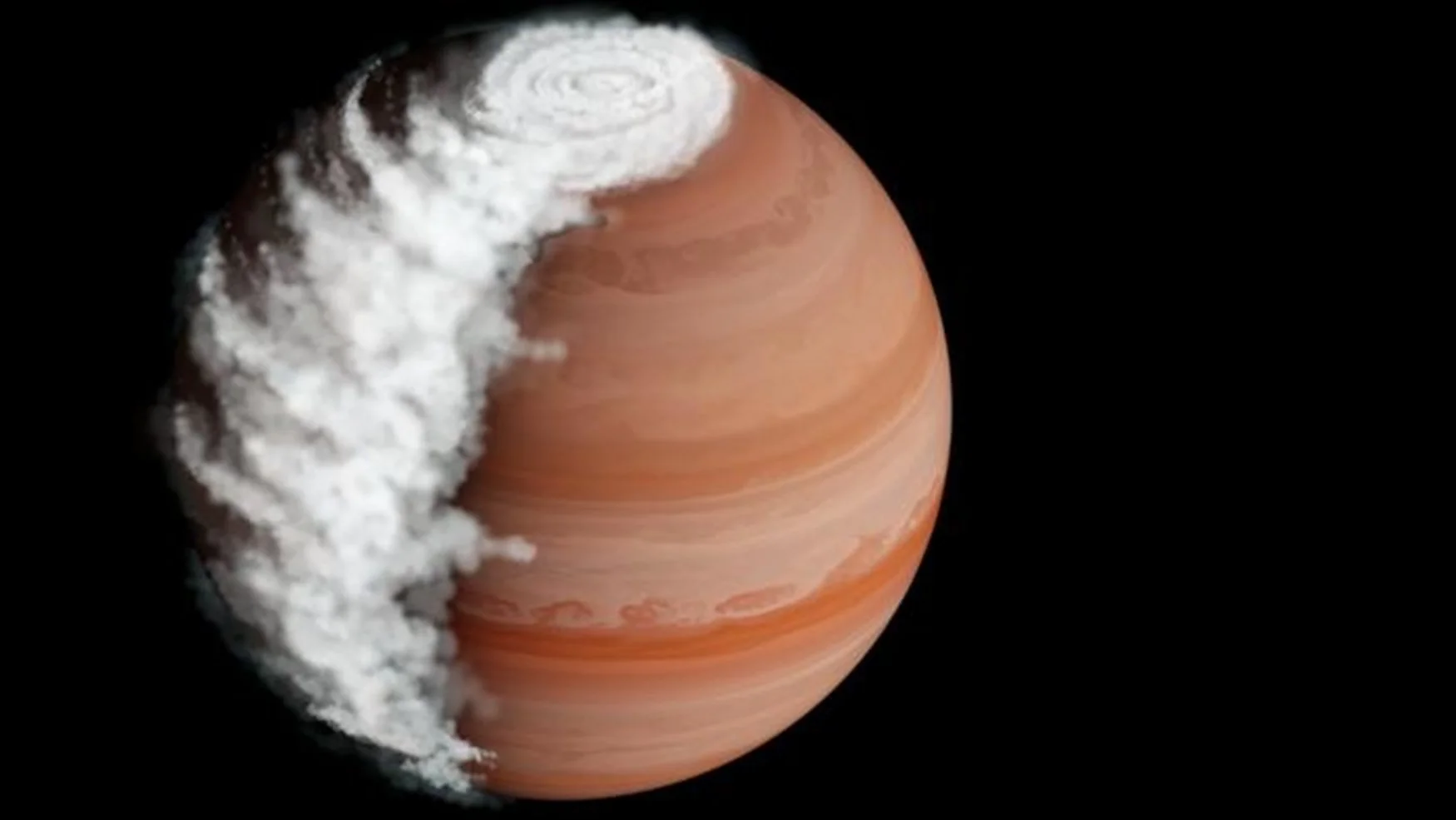
JWST reveals surprising atmospheric changes from morning to evening on Hot Jupiter WASP-94A b
The James Webb Space Telescope has revealed that WASP-94A b, a Hot Jupiter exoplanet with extreme temperatures and intense radiation, has an
 universal-sci.com·3d ago
Comments
Sign in to join the conversation.
No comments yet. Be the first.