
























JWST reveals surprising atmospheric changes from morning to evening on Hot Jupiter WASP-94A b
Summary
The James Webb Space Telescope has revealed that WASP-94A b, a Hot Jupiter exoplanet with extreme temperatures and intense radiation, has an atmosphere that changes in surprising ways from morning to evening. Its clouds, which once hindered observations, are now helping astronomers study atmospheric chemistry under extreme conditions. The research, co-authored by David Sing of Johns Hopkins, demonstrates how these harsh planetary environments serve as natural laboratories for understanding atmospheric behavior.
Source
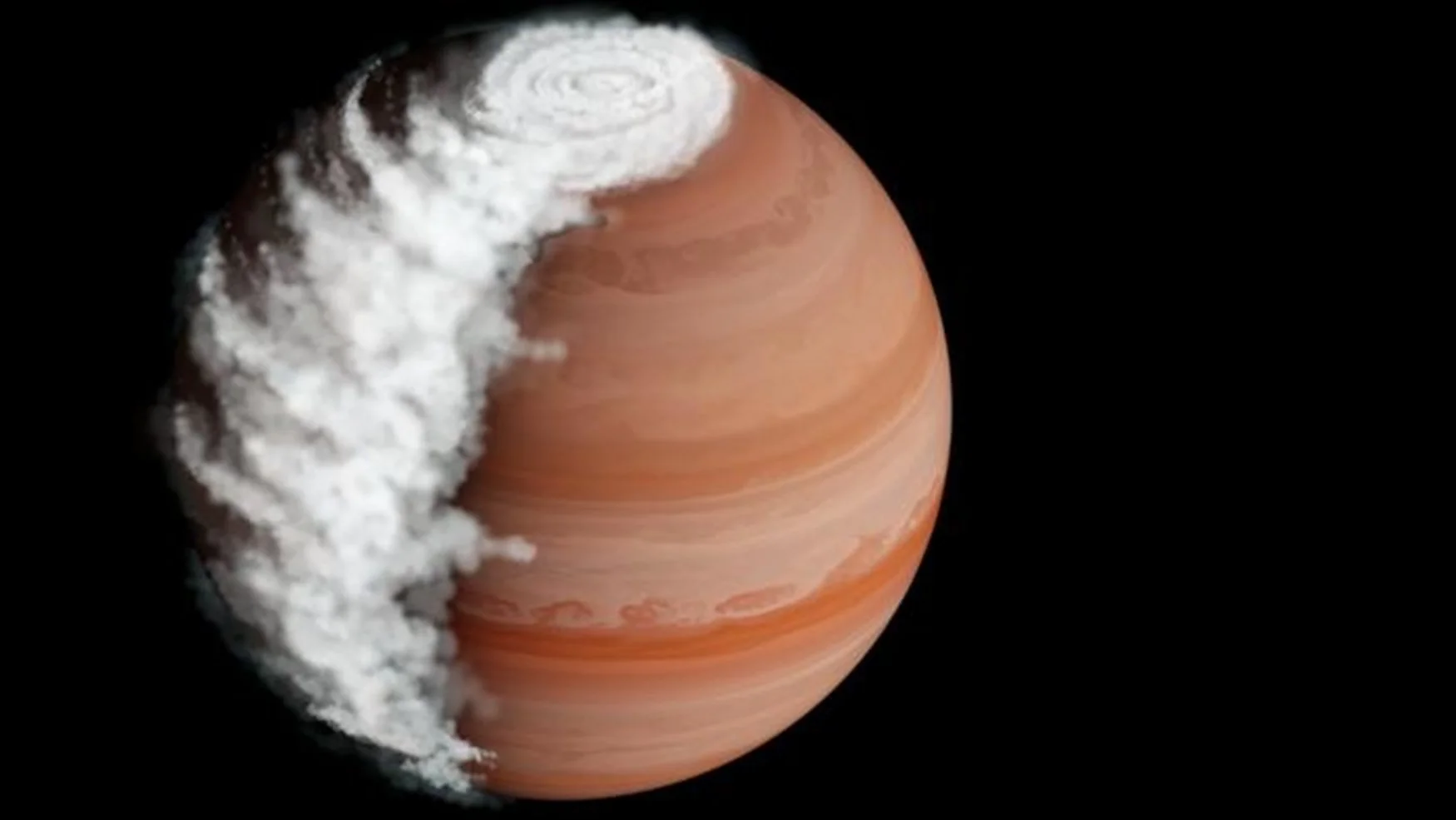
 Twitter / XJWST reveals surprising atmospheric changes from morning to evening on Hot Jupiter WASP-94A buniversal-sci.com
Key quotes
· 4 pulledWhat can a cloudy planet really tell us?
These are gas giants that orbit very close to their stars, even closer than Mercury orbits the sun.
For scientists, those harsh conditions are useful. They turn these planets into natural laboratories for studying how atmospheres, clouds, and chemistry behave under extremes.
But clouds have long stood in the way.
You might also wanna read

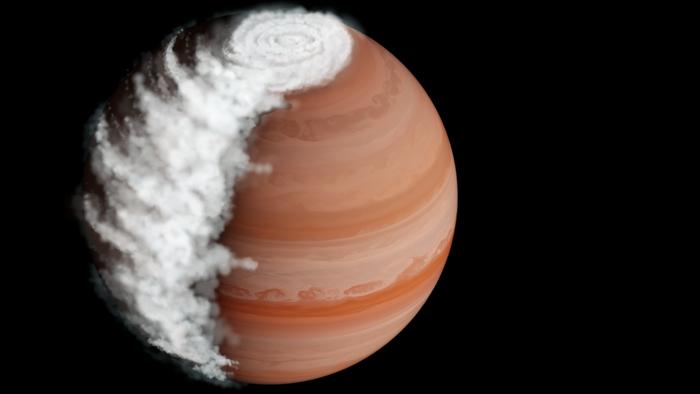
JWST reveals asymmetric cloud cycle on hot Jupiter exoplanet WASP-94A b
New observations from the James Webb Space Telescope (JWST) of the hot Jupiter exoplanet WASP-94A b reveal an asymmetric weather pattern tha
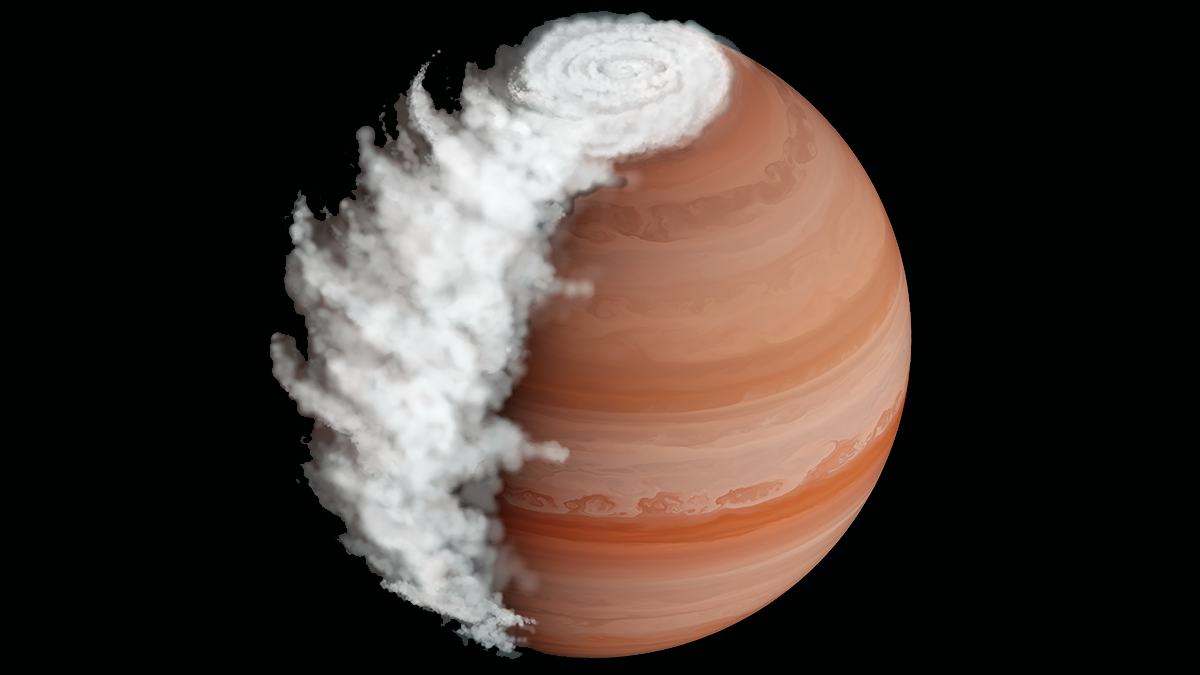
JWST Reveals WASP-39b Has Cloudy Mornings and Clear Evenings, Solving Longstanding Exoplanet Mystery
Astronomers using the James Webb Space Telescope (JWST) have developed a novel observation technique to study the exoplanet WASP-39b, a hot
 eos.org·19d ago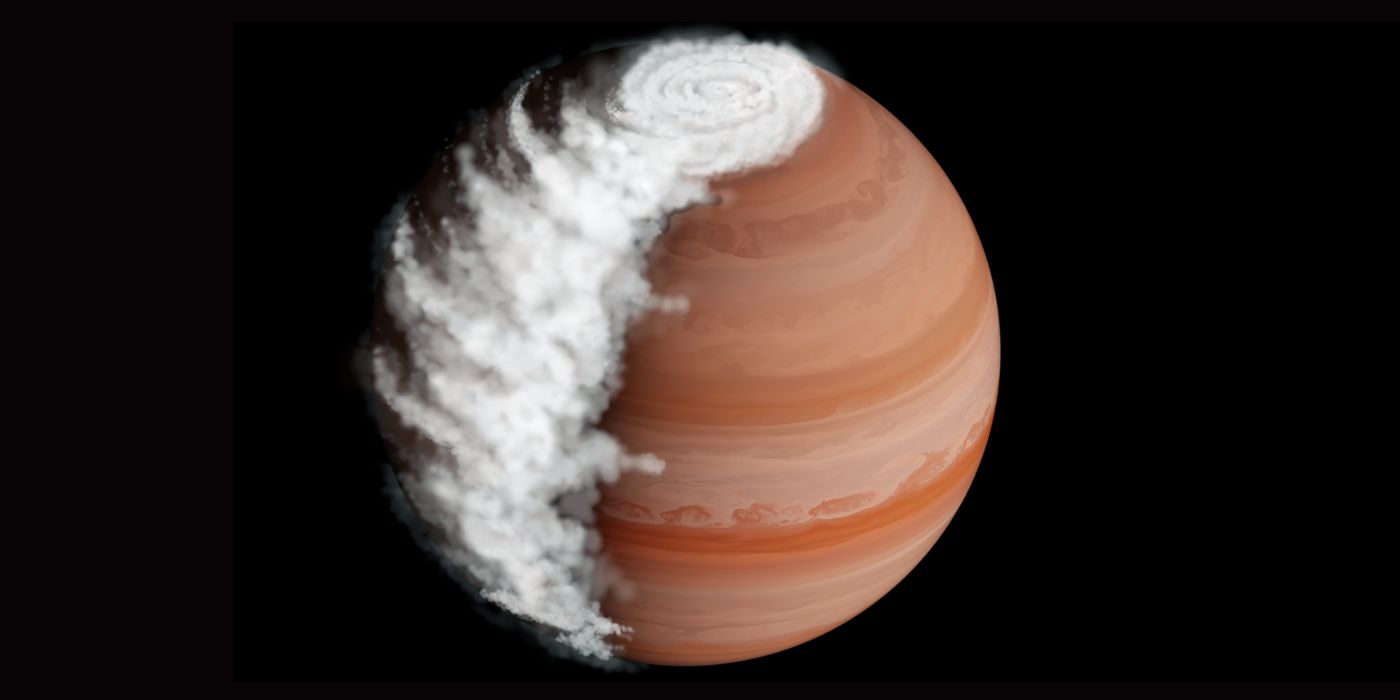
How Clouds Obscure Exoplanet Atmospheres: A Challenge for JWST and Astronomers
SETI Institute research scientist Dr. Lauren Sgro and Arizona State University postdoctoral fellow Dr. Sagnick Mukherjee discuss how clouds
 seti.org·2d ago
Aerosols and hydrocarbons in the atmosphere of a white dwarf planet

JWST Study Reveals Exoplanet GJ 3929b as Likely Bare Rock Without Atmosphere
The James Webb Space Telescope's Rocky Worlds program has revealed that exoplanet GJ 3929b is likely a bare rock with no significant atmosph
 arxiv.org·10mo ago
Astronomers analyze the atmospheric composition of exoplanet GJ 504 b, the Pink Planet
Researchers have analyzed the atmosphere of GJ 504 b, known as the Pink Planet, over a decade after its discovery. They found evidence of sa
 cen.acs.org·9d ago
Comments
Sign in to join the conversation.
No comments yet. Be the first.