
























Knee Distraction Procedure Shows Promise for Delaying Joint Replacement in Severe Osteoarthritis
By
Ute Eppinger
Summary
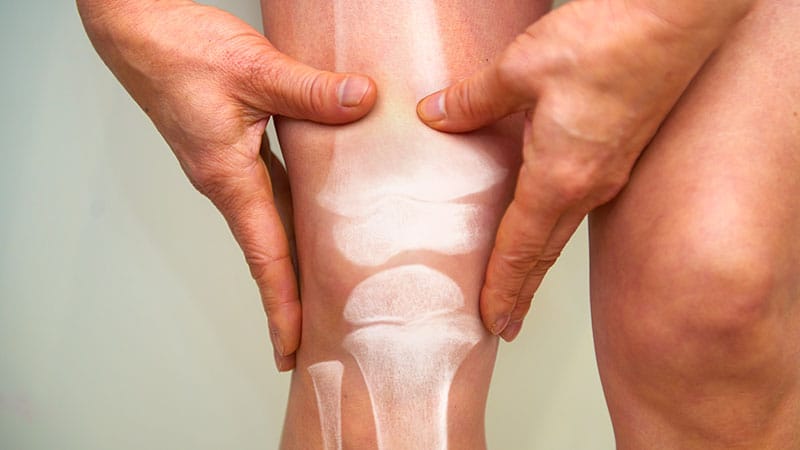
Knee distraction is emerging as a promising procedure for severe osteoarthritis, aiming to stimulate cartilage tissue regeneration and help patients delay knee replacement for many years. Early studies show encouraging results with lasting symptom relief and tissue changes, though experts urge realistic expectations. The article notes that 1 in 2 women and 1 in 3 men over 65 have osteoarthritis, with many eventually requiring knee replacement.
Source
 Twitter / XKnee Distraction Procedure Shows Promise for Delaying Joint Replacement in Severe Osteoarthritismdsc.pe
Key quotes
· 4 pulledDamaged knee cartilage has long been considered irreparable.
Knee distraction may be changing that.
The procedure is intended to stimulate tissue regeneration and help patients with severe osteoarthritis delay knee replacement for many years.
Early studies have shown encouraging results, though experts caution that expectations should remain realistic.
You might also wanna read


This emerging treatment is helping people avoid knee replacement surgery
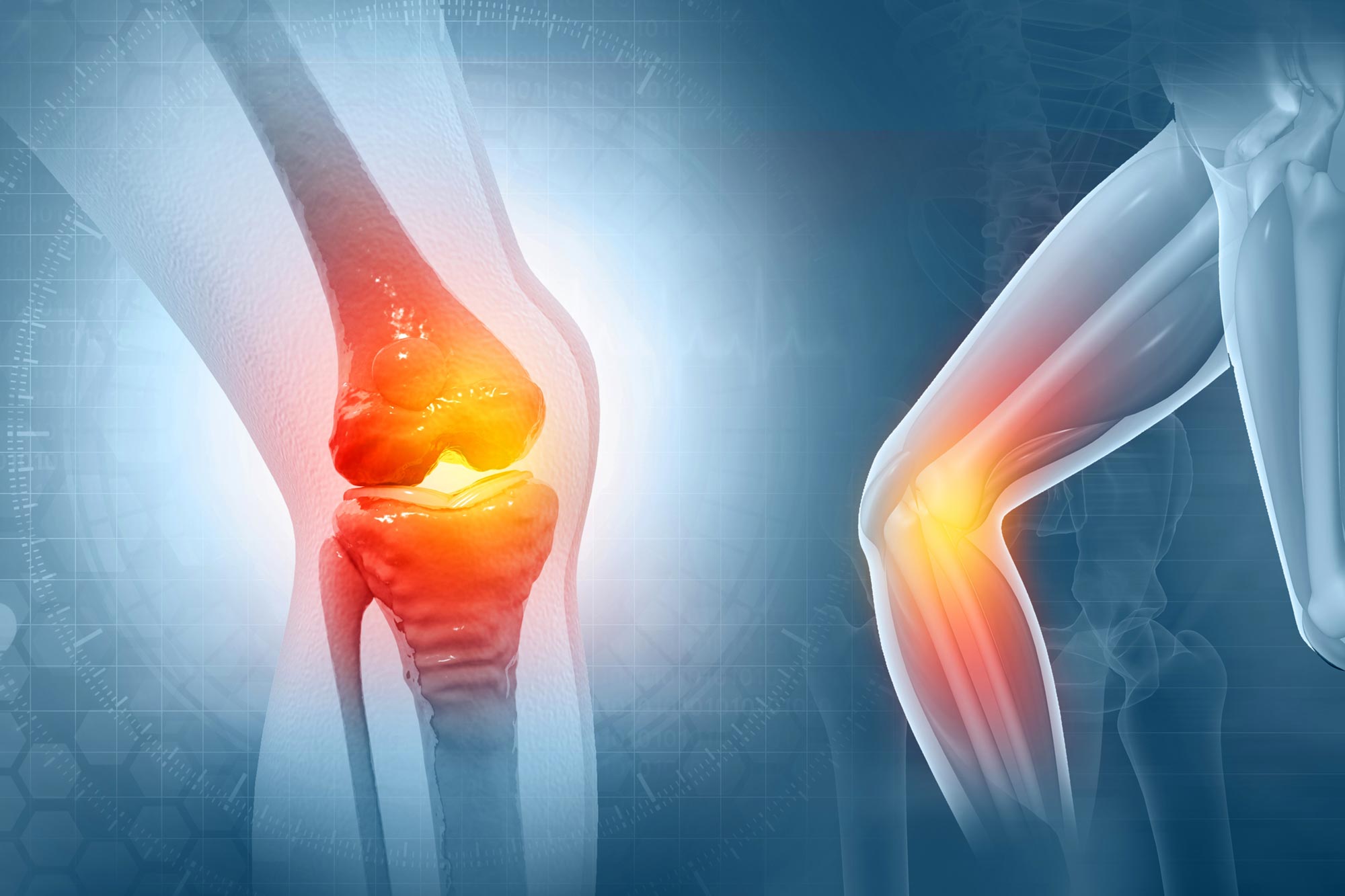
Experimental Osteoarthritis Therapies Show Joint Healing in Animal Studies, Clinical Trials Expected Within 18 Months
Researchers have developed experimental osteoarthritis therapies that show promise in animal studies, using regenerative injections and biom
Stanford study finds treatment that regrows knee cartilage and reverses arthritis in mice
Stanford Medicine researchers have discovered that blocking a protein linked to aging can restore lost knee cartilage in older mice and prev
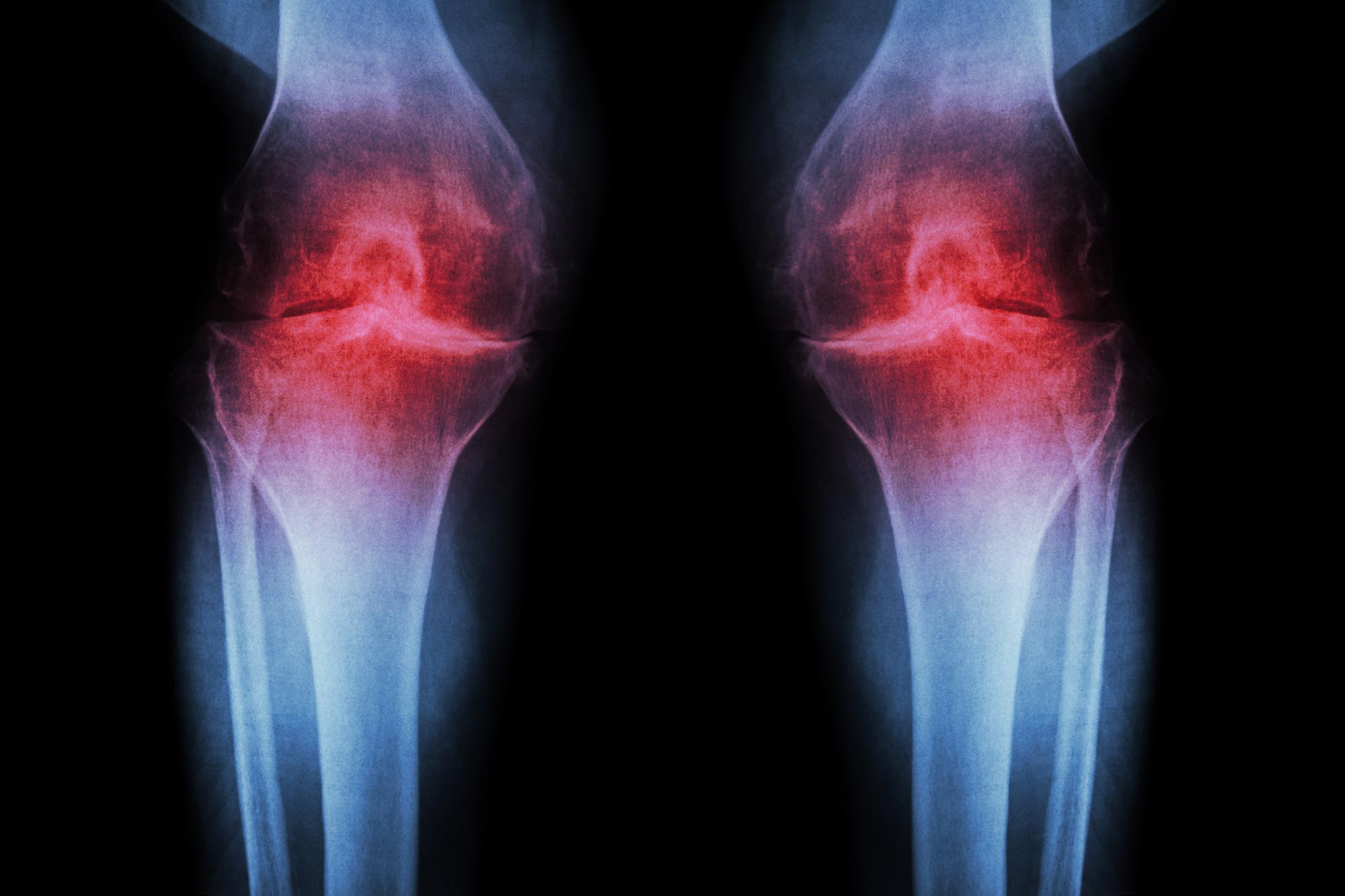
Stanford Researchers Develop Injection That Regenerates Knee Cartilage and Prevents Arthritis
Stanford Medicine researchers have developed an anti-aging injection that regenerates knee cartilage and prevents arthritis by blocking an a
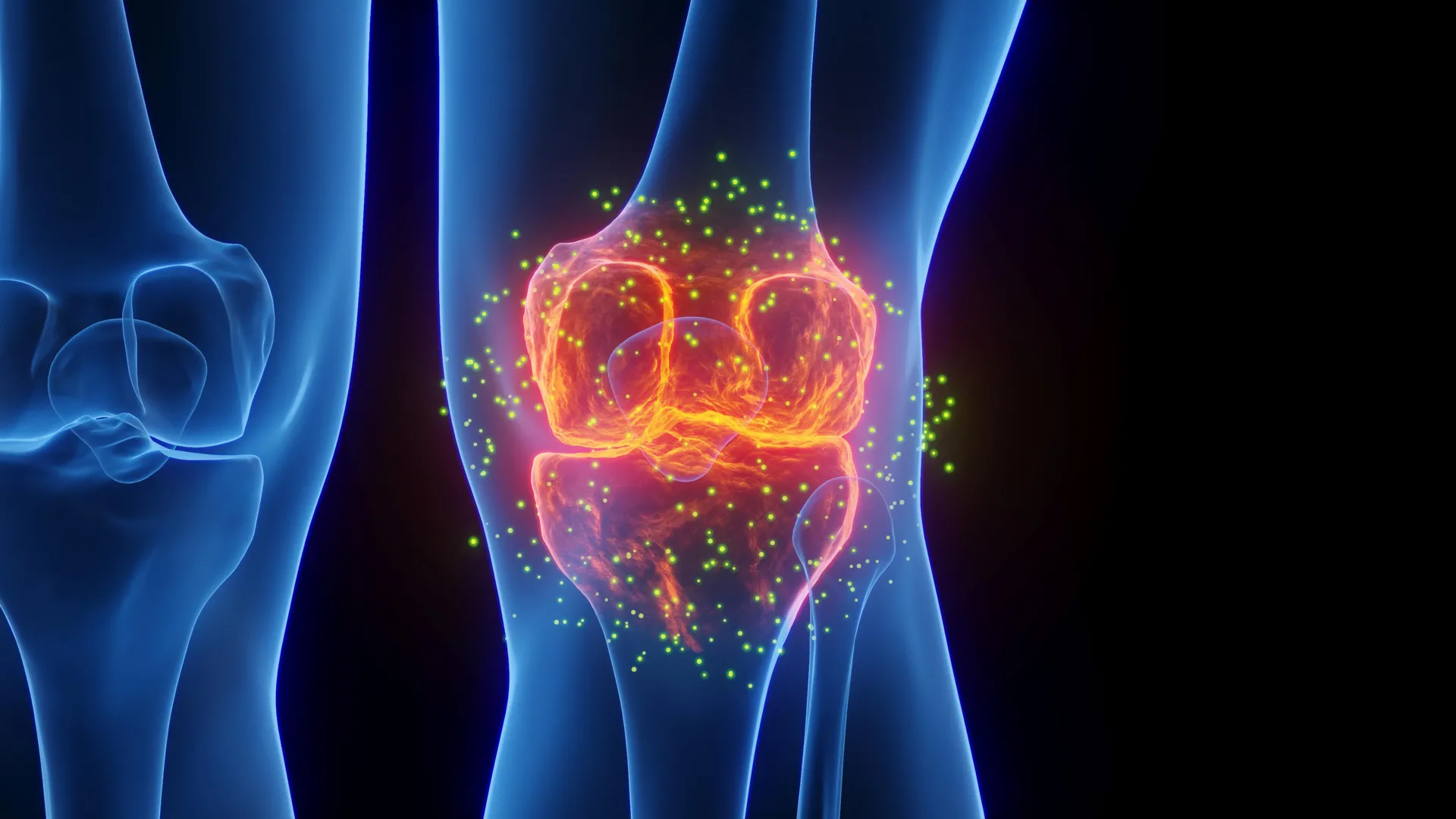
Stanford study finds blocking aging-related protein restores knee cartilage in mice and human tissue
Stanford Medicine researchers have discovered that blocking a protein linked to aging can restore lost knee cartilage in older mice and prev
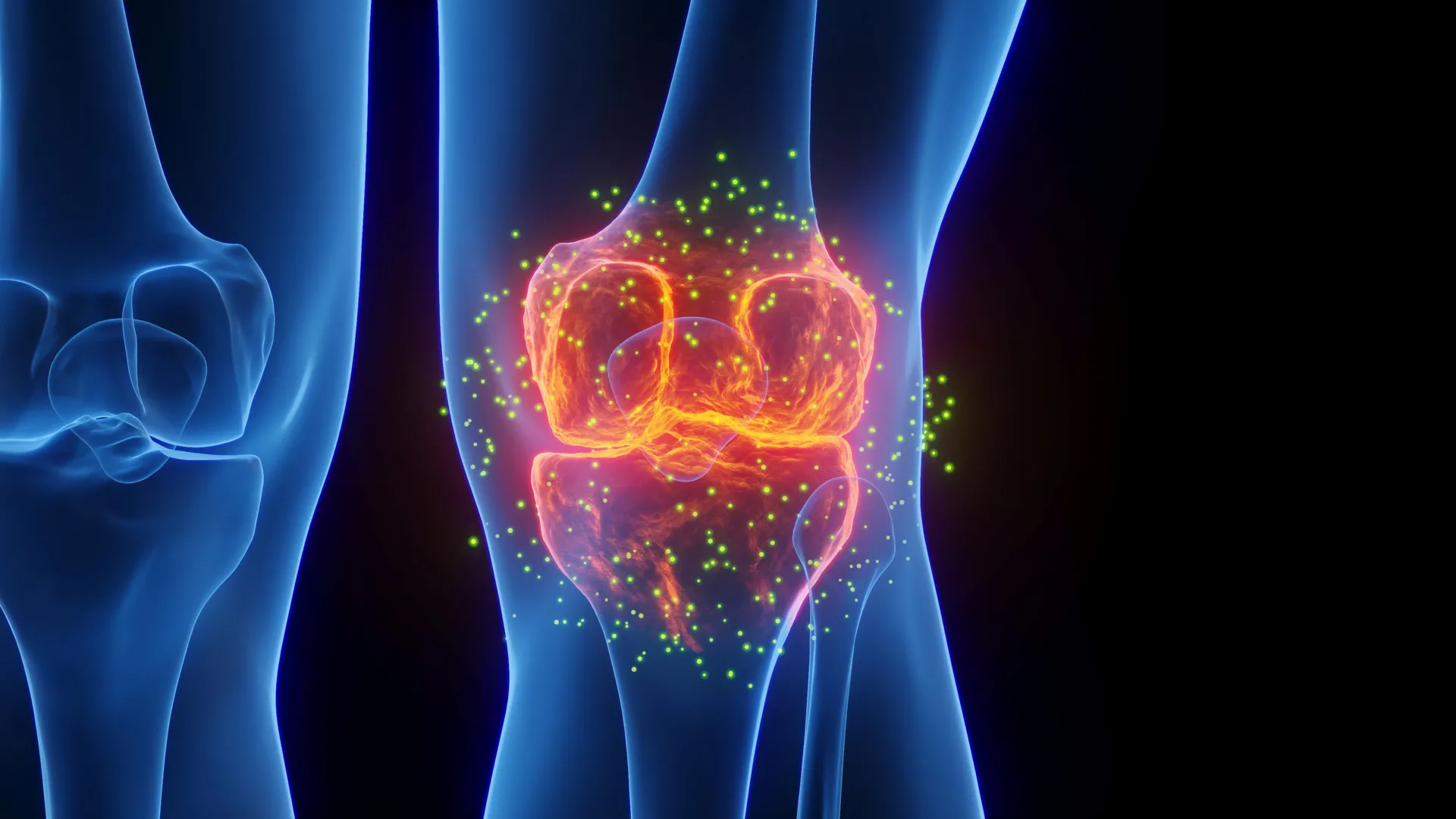
Stanford Study: Blocking Aging Protein Reverses Cartilage Loss and Prevents Arthritis
Stanford Medicine researchers have discovered that blocking a protein linked to aging can reverse cartilage loss in aging joints and prevent
Comments
Sign in to join the conversation.
No comments yet. Be the first.