
























New Method Uses Correlation Drop to Pinpoint the Start of Cosmic Reionization
By
Laurie Amen
Summary
This article discusses a new astrophysical method to constrain the start of the Epoch of Reionization (EoR) — the period when the first stars and galaxies ionized the neutral hydrogen in the intergalactic medium. The researchers propose using a "correlation drop" signal in the 21-cm hydrogen line to detect when reionization began. By analyzing the cross-correlation between the 21-cm signal and cosmic microwave background (CMB) temperature fluctuations, they show that a sharp drop in correlation can serve as a boundary condition marking the onset of reionization. This technique offers a new observational probe for an era that remains poorly understood.
Source
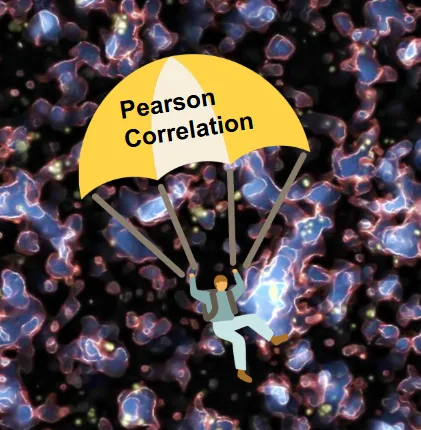
 bskyNew Method Uses Correlation Drop to Pinpoint the Start of Cosmic Reionizationastrobites.org
Key quotes
· 3 pulledToday, most of the matter between galaxies is made up of ionized gas, but this wasn't always the case.
We still don't know very much about the mysterious epoch of reionization.
In today's bite, learn about a new way to estimate when reionization started from a correlation drop!
You might also wanna read

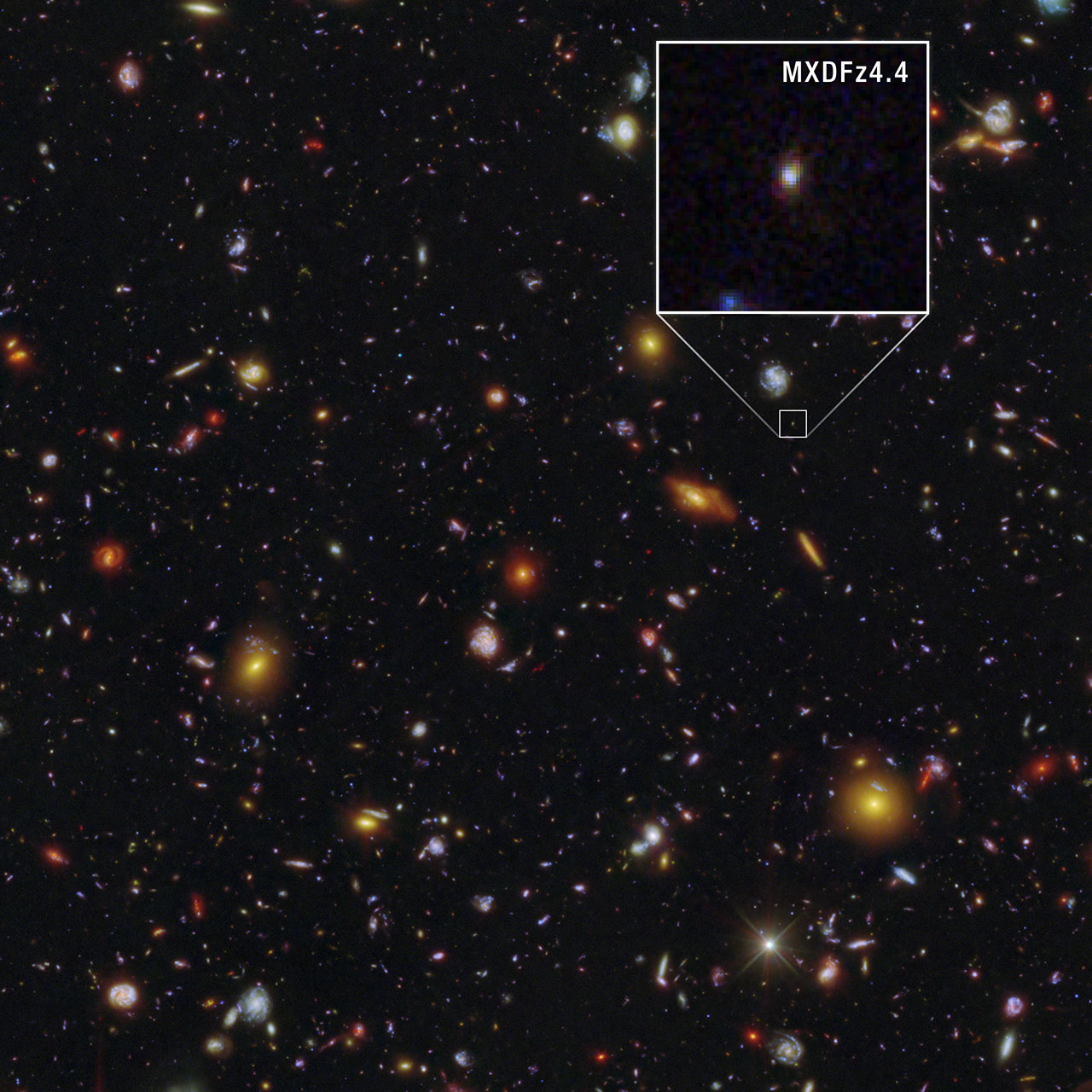
Hubble Detects Ultraviolet Light from Early Galaxy, Shedding Light on Cosmic Reionization
Astronomers using NASA's Hubble Space Telescope have detected unexpected ultraviolet light from a galaxy that existed just 1.4 billion years
 go.nasa.gov·15d ago
Quasar at the Dawn of the Universe “Blinked” for Astronomers have observed the flickering quasar J0439+1634 as it appeared just 850 million years after the Big Bang — one of the earliest such objects

Information-Theoretic Framework Proposes Fine Structure Constant as Derived from Resolution Cascade Efficiency
This working paper proposes an information-theoretic framework that reinterprets fundamental physical constants like the fine structure cons
 zenodo.org·7mo ago
502 Bad Gateway

Machine Learning Validates Unrecognized Transient Astronomical Phenomena in Historical Observatory Images
This research paper uses machine learning to validate the existence of previously unrecognized transient astronomical phenomena in historica
 arxiv.org·2mo ago
Creating Cosmologically Unique Identifiers Using Cosmic Microwave Background Radiation
The article explores the challenge of creating globally unique identifiers for objects in a cosmological context, particularly as humanity e
 jasonfantl.com·4mo ago
Comments
Sign in to join the conversation.
No comments yet. Be the first.