
























Creating Cosmologically Unique Identifiers Using Cosmic Microwave Background Radiation
We are an exploratory species, just past the solar system now, but perhaps one day we will look back and call our galaxy merely the first. There are many problems to solve along the way, and today we…
Read the full articleYou might also wanna read
UUIDs Offer Security and Scalability Far Beyond Database Primary Keys
UUIDs (Universally Unique Identifiers) are widely known as database primary keys, but developers argue their utility extends across many are
Why Developers Should Use Web Crypto API Instead of Math.random() for UUIDs
UUID version 4 is a 128-bit identifier widely used in distributed systems to generate unique primary keys without relying on a central datab
Detecting neutron sources by borrowing inference tools from cosmology
Neutron sources can be directly identified from measured spectra rather than proxies using inference tools adapted from cosmology, according

Understanding Unique Identifiers (UIDs) in Data Management Systems
001-gdl1ghbstssxzv3os4rfaa-3687053746 stands out as a prime example of how UIDs can streamline operations across various sectors
 diaryok.com·17d ago
Worldcoin Launches with Innovative World ID to Verify Humanity
Worldcoin launches with a unique digital ID system, aiming to integrate cryptocurrency with a secure, human-verification process.
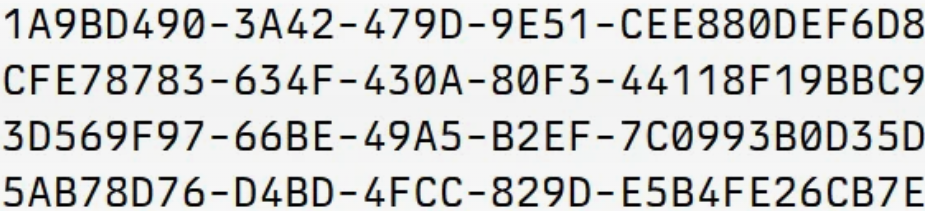
Why simpler identifiers often beat UUIDs for most applications
My troubles with record identifiers starts with a web site I developed, Eksi Sozluk. It's been one of the most popular Turkish web sites in
Comments
Sign in to join the conversation.
No comments yet. Be the first.