
























Study links shoreline migration to blue carbon storage in coastal river deltas
By
Eileen Hofmann
Summary
This article highlights a study by Silvestre et al. [2026] published in AGU Advances, which presents an experimental framework linking shoreline migration to preserved organic material in subsurface coastal marshes. The research focuses on how autogenic (self-driven) processes of sediment storage and erosion regulate shoreline movement, influencing where coastal wetlands develop and creating subsurface areas of preserved organic matter (blue carbon). Coastal river deltas are identified as important long-term carbon sinks in the global carbon cycle.
Source

 bskyStudy links shoreline migration to blue carbon storage in coastal river deltaseos.org
Key quotes
· 3 pulledCoastal river deltas are important components of the global carbon cycle, providing significant long-term net carbon sinks.
Silvestre et al. [2026] describe an experimental framework that links shoreline migration to preserved organic material in the subsurface coastal marsh.
Autogenic processes of sediment storage and erosion regulate shoreline movement and therefore, where coastal wetlands develop, setting up subsurface areas of preserved organic matter, blue carbon.
You might also wanna read

Exploring CO2 Sequestration via Limestone Weathering on Ships
The article discusses the potential of CO2 sequestration through accelerated weathering of limestone on ships, highlighting the role of calc
science.org·1y ago
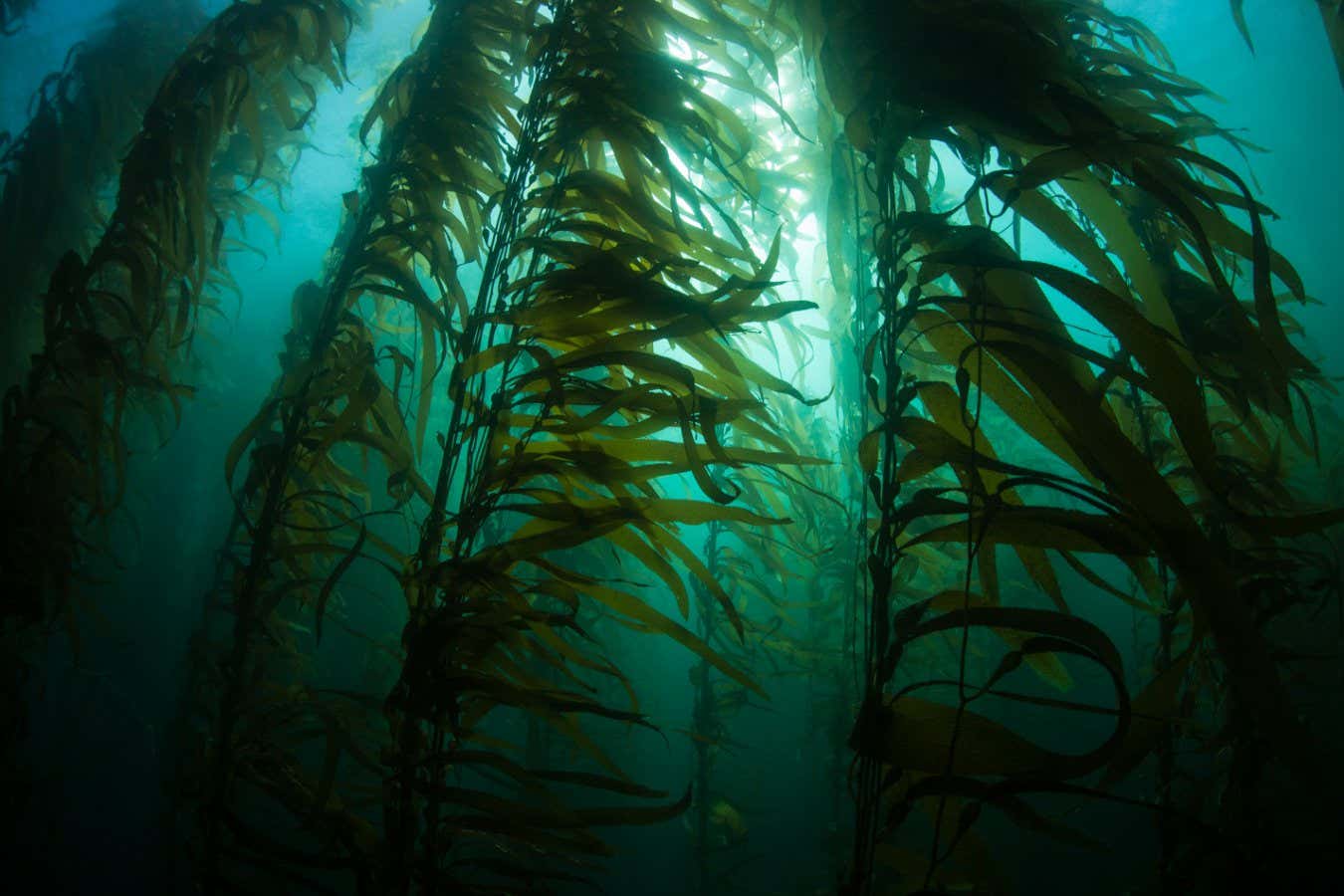
Seaweed-based carbon removal technique may increase CO2 due to ocean nutrient disruption
Seaweed cultivation, touted as a promising carbon dioxide removal technique with tens of millions in investment, may backfire due to uninten
 newscientist.com·5d ago
Arctic Research Expedition Studies Underground Fungal Networks and Carbon Storage
A team of biologists led by Michael Van Nuland embarks on an Arctic road trip along Alaska's Dalton Highway to study the critical undergroun
 quantamagazine.org·2mo ago
Otters as Bioindicators of Estuarine Health: Research Gaps and Future Framework
This scientific synthesis article examines otters as bioindicators for estuarine health monitoring. It highlights how otters serve as integr
 emt.pensoft.net·4mo ago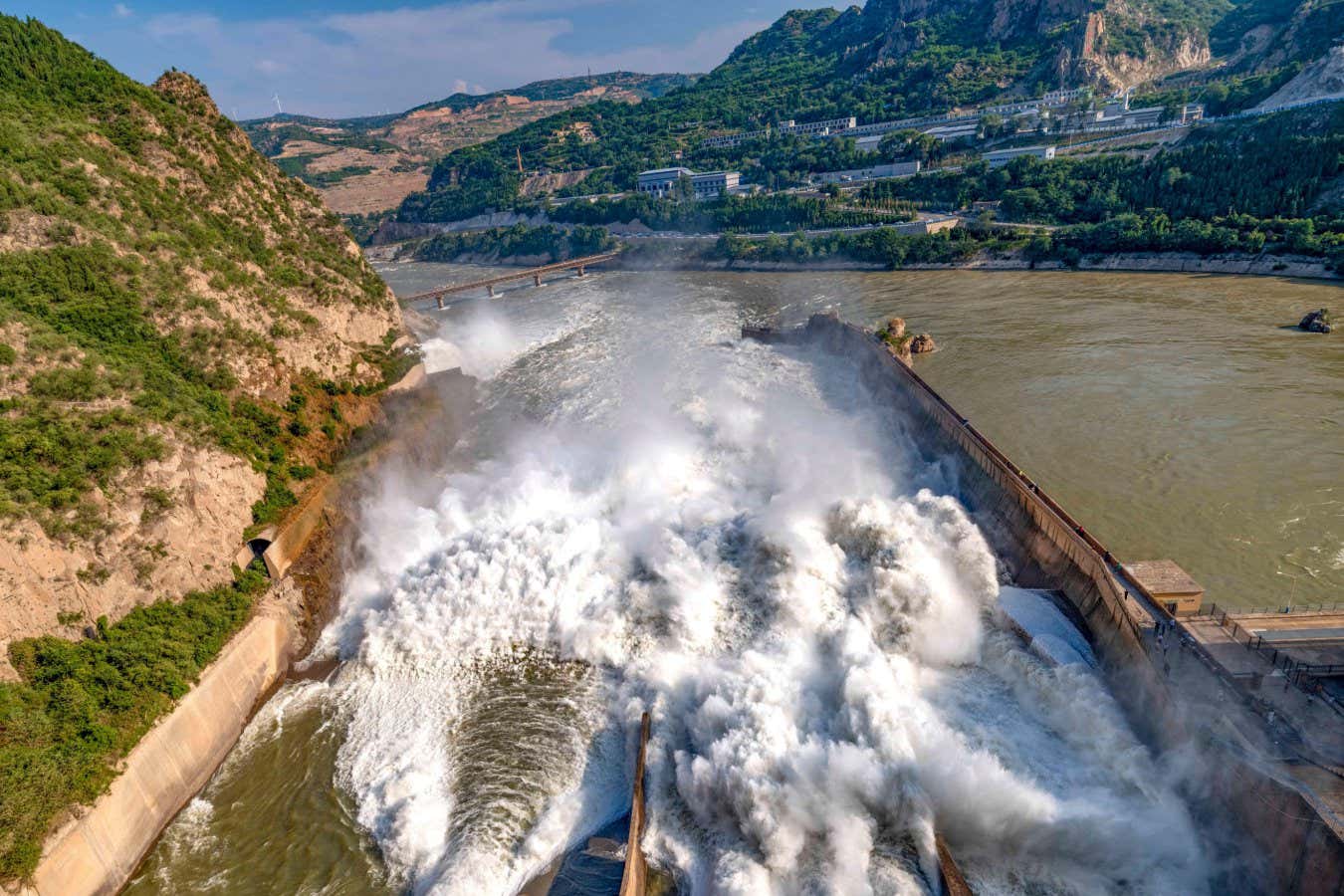
Study: Over half of world's reservoirs could lose function by 2060 due to sediment build-up
A study predicts that over half of the world's freshwater reservoirs will be "functionally dead" by 2060 due to sediment build-up. Dams bloc
newscientist.com·11d ago
Comments
Sign in to join the conversation.
No comments yet. Be the first.