
























Arctic Research Expedition Studies Underground Fungal Networks and Carbon Storage
A vast meshwork of soil-bound fungi governs life aboveground. In Alaska, and at field sites around the world, researchers are racing to understand exactly how, with critical stores of carbon at stake.
Read the full articleYou might also wanna read

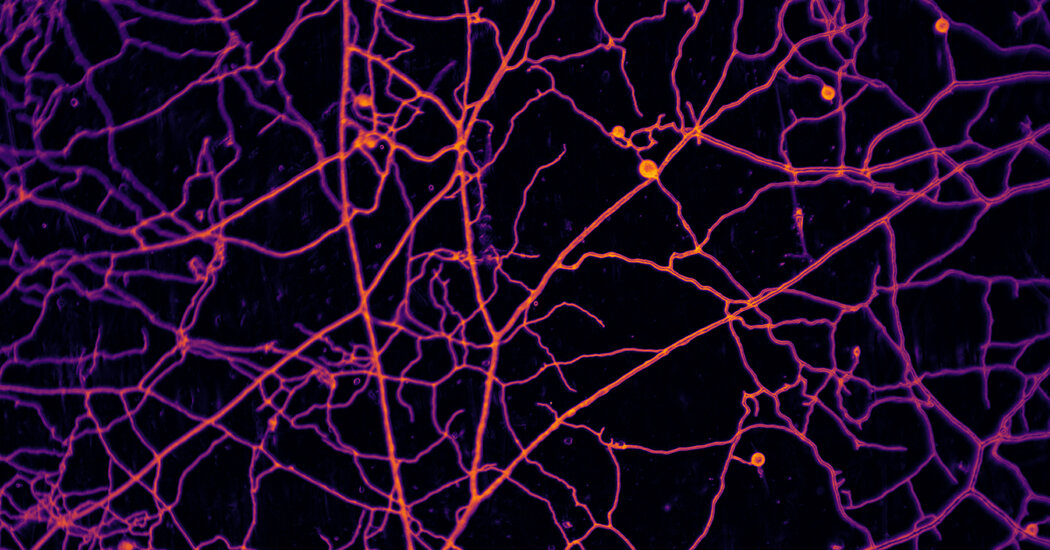
Scientists Map Earth's Underground Fungal Networks Spanning 68 Quadrillion Miles
With machine learning and a high-resolution imaging robot, scientists measured and mapped the extent of Earth’s carbon circulatory system.
 nytimes.com·1mo ago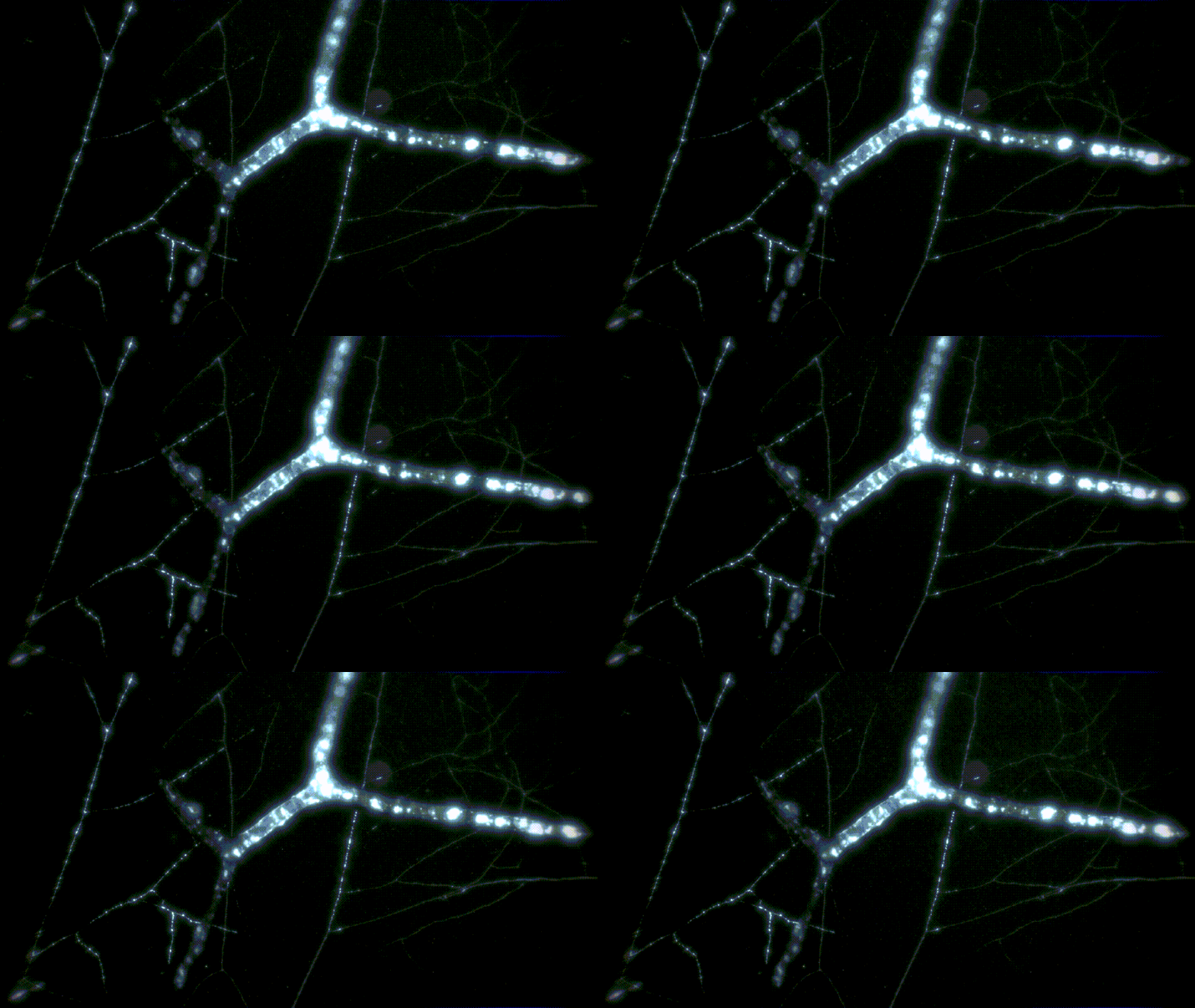
Underground Fungal Network Estimated to Stretch a Billion Times the Distance to the Sun
The ground beneath your feet is not quiescent.
 sciencealert.com·1mo ago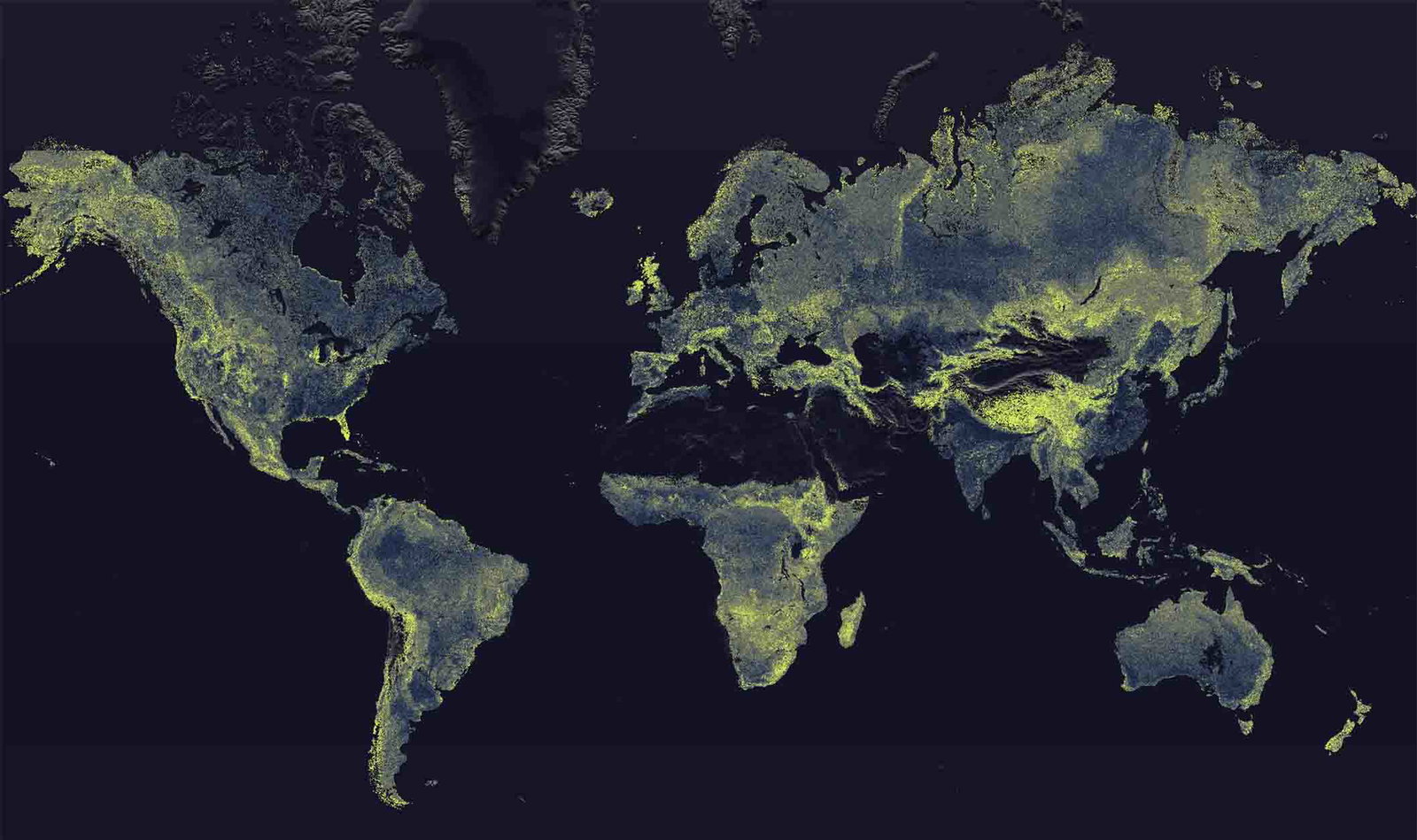
Scientists Map Ancient Mycorrhizal Fungal Networks Essential for Climate Regulation
Ancient mycorrhizal fungal networks, consisting of a billion astronomical units' worth of roots, have finally been mapped by scientists.
 thedebrief.org·1mo ago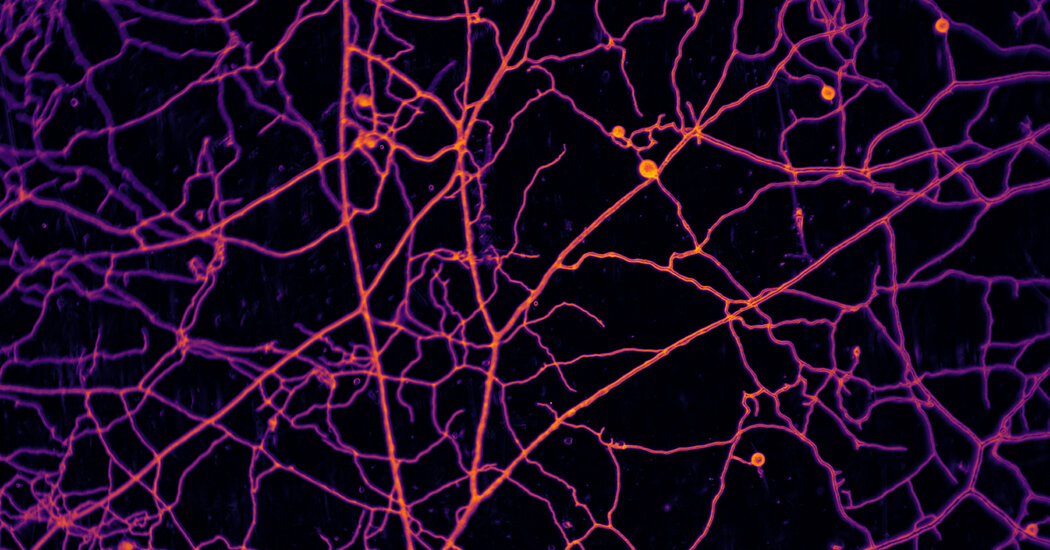
Scientists Map Earth's Underground Fungal Networks Spanning 68 Quadrillion Miles
With machine learning and a high-resolution imaging robot, scientists measured and mapped the extent of Earth’s carbon circulatory system.
nytimes.com·1mo ago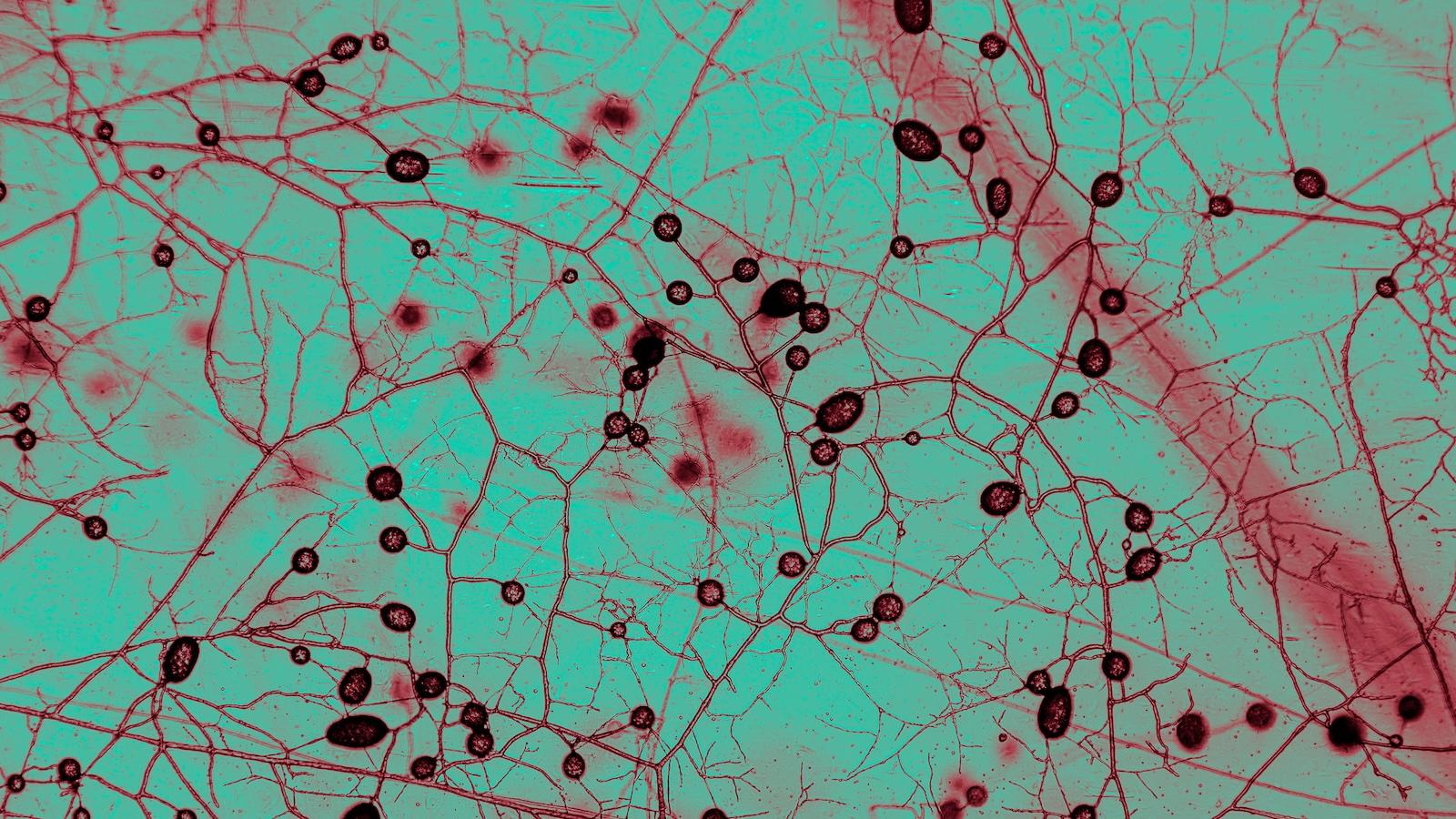
Arbuscular mycorrhizal fungi: A 110-quadrillion-kilometer underground network that helps regulate Earth's climate
Spanning 110 quadrillion kilometers, arbuscular mycorrhizal fungi transport an enormous amount of planet-warming carbon.
 grist.org·27d ago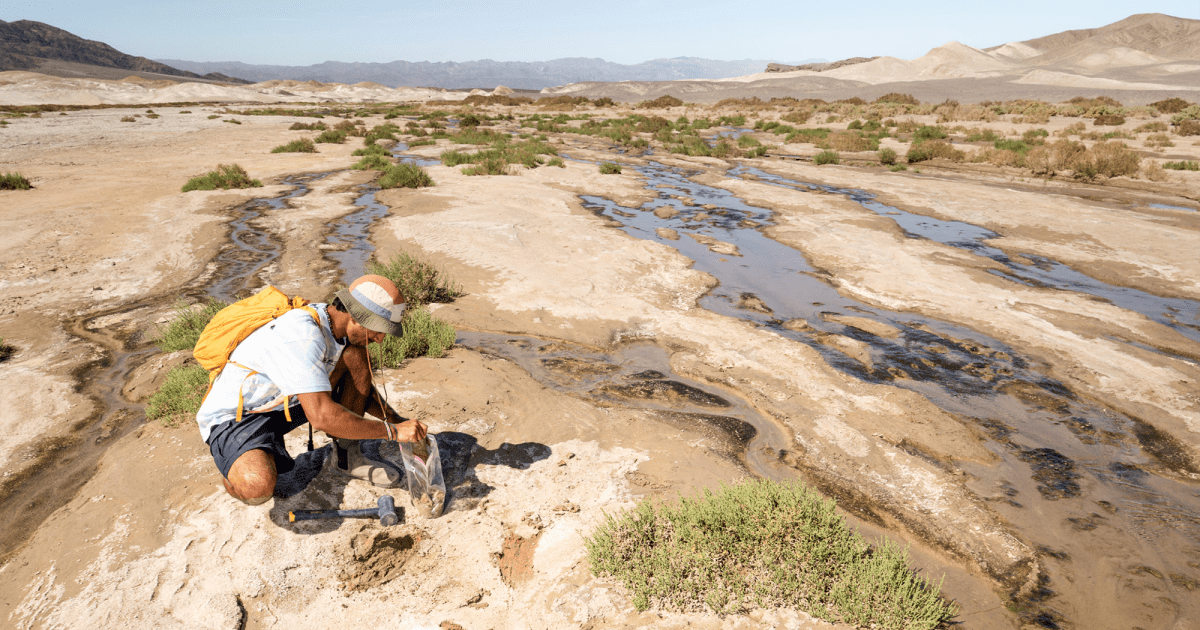
Scientists quantify global fungal networks stretching 110 quadrillion kilometers underground
For the first time, researchers have quantified their length, mass, and density.
 motherjones.com·26d ago
Comments
Sign in to join the conversation.
No comments yet. Be the first.