
























Study of 386 fossils reveals human body size jumped late in evolution, not gradually
By
University of Reading
Summary
A peer-reviewed study published in PNAS by researchers at the University of Reading and University of Oxford analyzed body weight data from 386 fossils across 21 hominin species to settle a debate about human body size evolution. Contrary to the long-held view of a steady, gradual increase from small to large over millions of years, the study found that body size remained relatively stable for most of hominin history. The major jump in body size occurred later, specifically within the genus Homo, rather than being a continuous trend across the entire family tree. This challenges traditional narratives of human evolution and provides a more nuanced understanding of when and how our ancestors grew larger.
Source

 bskyStudy of 386 fossils reveals human body size jumped late in evolution, not graduallydisabled-world.com
Key quotes
· 3 pulledRather than a steady climb from small to large, the team found that body size rose gradually in early relatives but the major jump happened later within the genus Homo.
This challenges the long-held view that human ancestors steadily grew larger over millions of years.
The analysis of 386 fossils across 21 hominin species provides the most comprehensive dataset yet for understanding body size evolution in our lineage.
You might also wanna read

Ancient DNA reveals human evolution is a complex network, not a simple branching tree
This article argues that the traditional metaphor of a branching "human family tree" is outdated and misleading. Instead, based on ancient D
 universal-sci.com·16d ago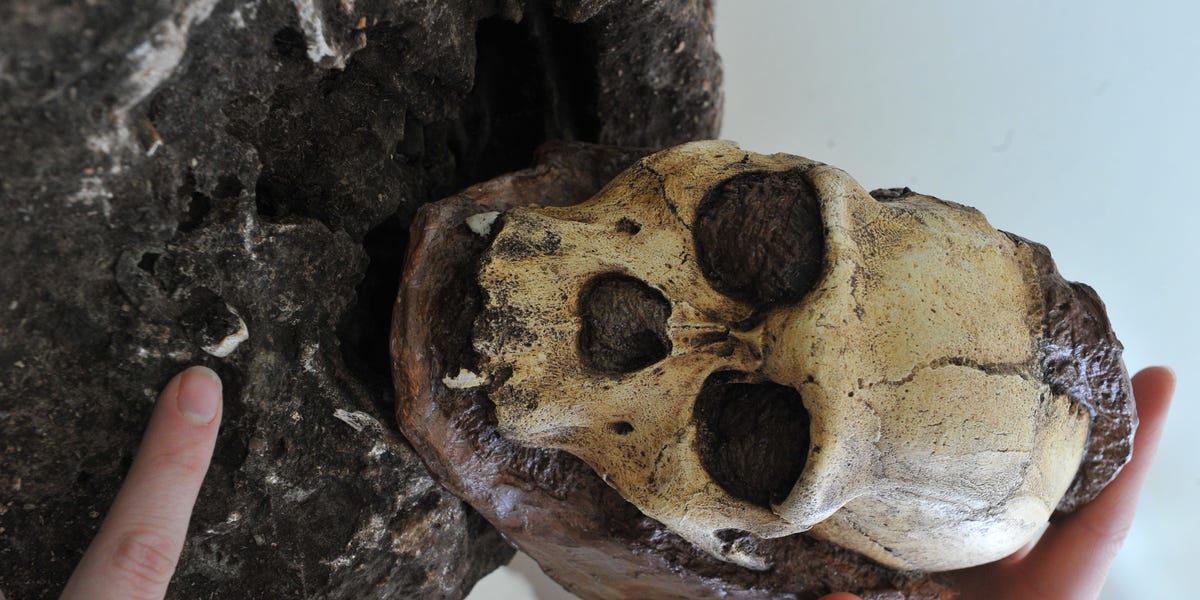
4.4-Million-Year-Old Fossil Ardi May Reveal When Human Ancestors First Walked Upright
This article discusses the 4.4-million-year-old fossil skeleton named Ardi (Ardipithecus ramidus), which predates the famous Lucy fossil by
 popular-mechanics.visitlink.me·8h ago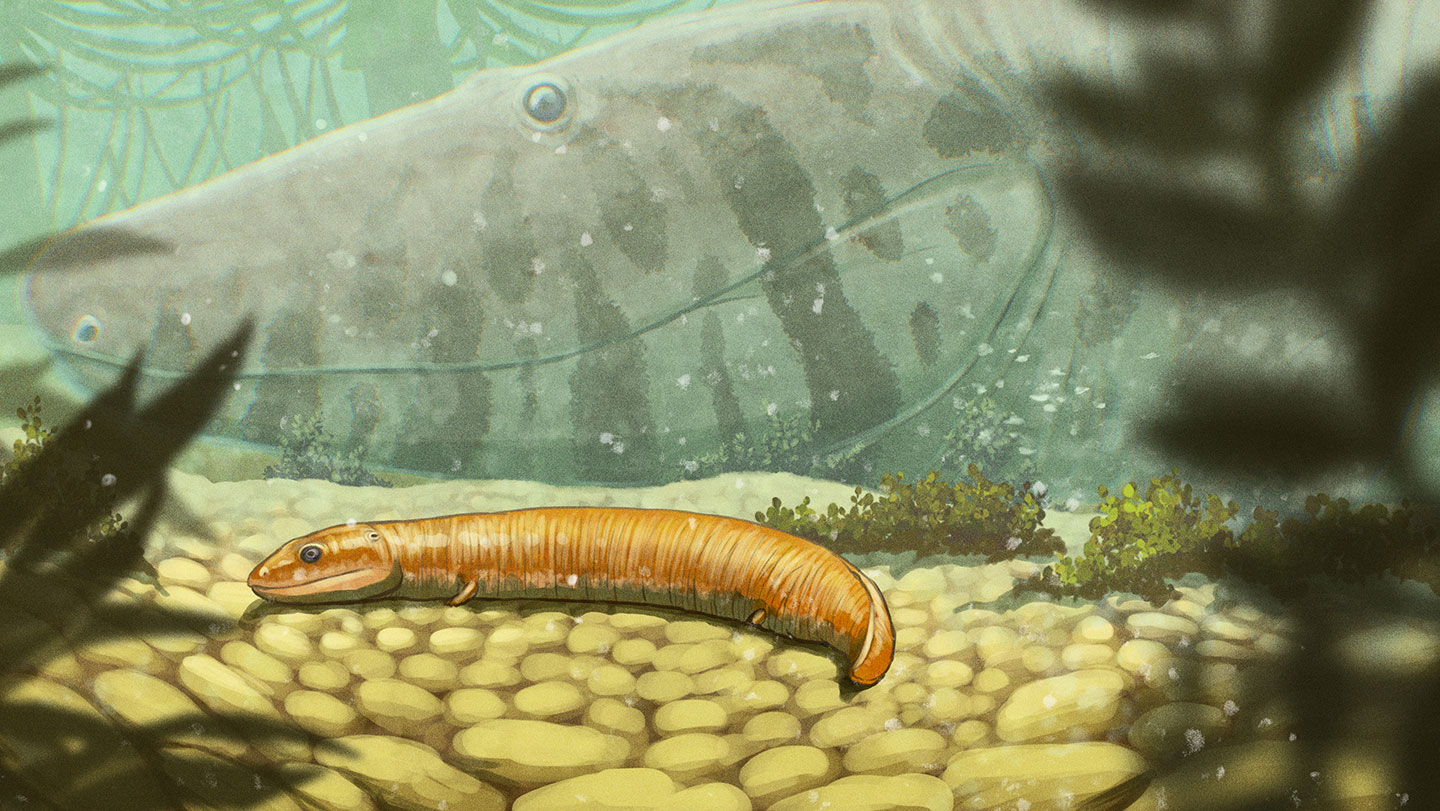
Fossil study challenges assumption that early land vertebrates underwent amphibian-like metamorphosis
New fossil evidence challenges the long-held assumption that early land vertebrates underwent amphibian-like metamorphosis. Researchers stud
 sciencenews.org·11d ago
Fossil study challenges assumption that early land vertebrates underwent amphibian-like metamorphosis
New fossil evidence challenges the long-held assumption that early land vertebrates underwent amphibian-like metamorphosis. Researchers stud
sciencenews.org·11d ago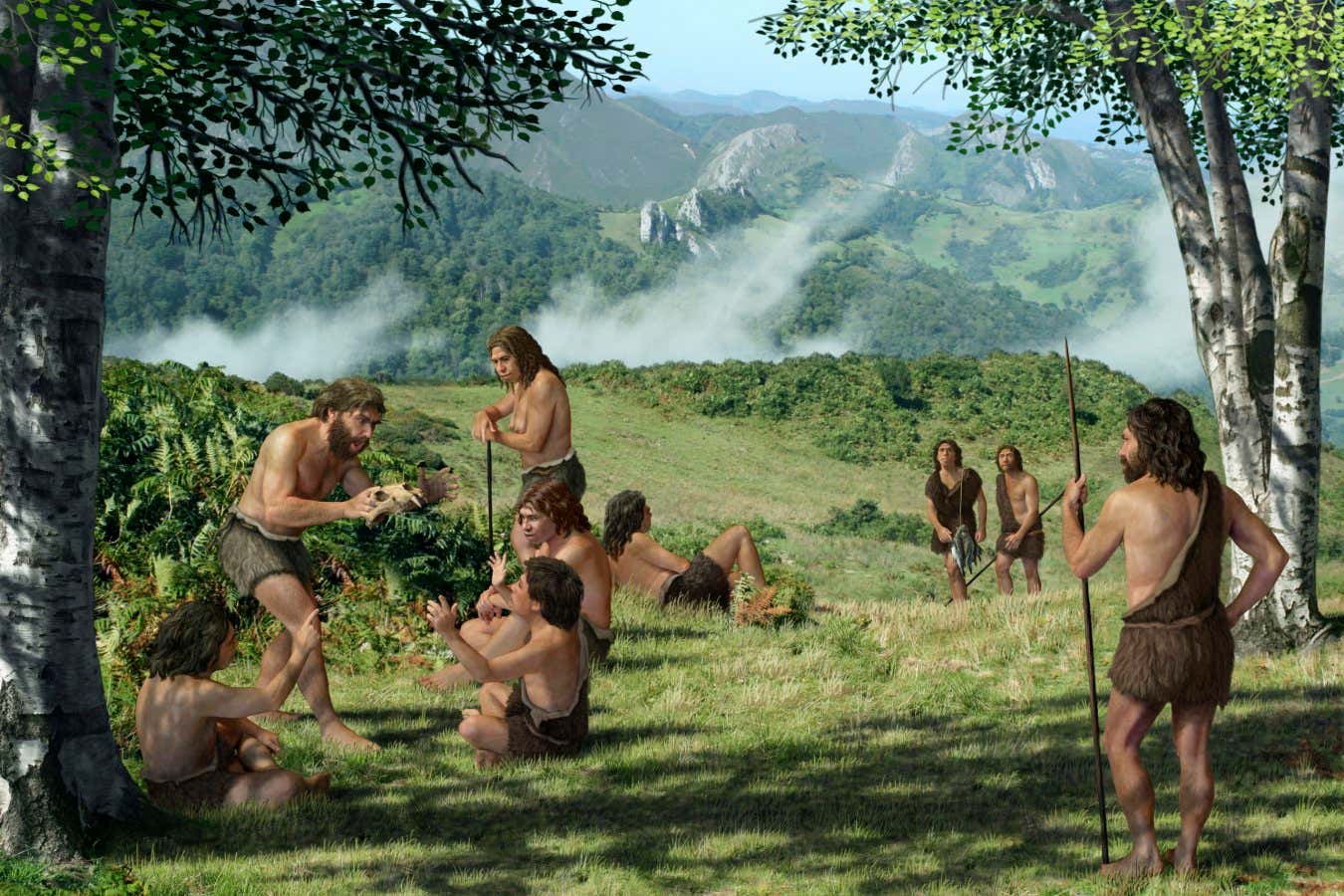
Genetic analysis shows some late-surviving Neanderthals had diverse populations, challenging inbreeding extinction theory
A new genetic analysis of Neanderthals from north-western Europe reveals that some of the last surviving Neanderthals lived in genetically d
 newscientist.com·9d ago
Million-Year-Old Skull Discovery May Rewrite Timeline of Modern Human Origins
A million-year-old human skull discovered in China, previously classified as Homo erectus, has been reanalyzed using sophisticated reconstru
 theguardian.com·8mo ago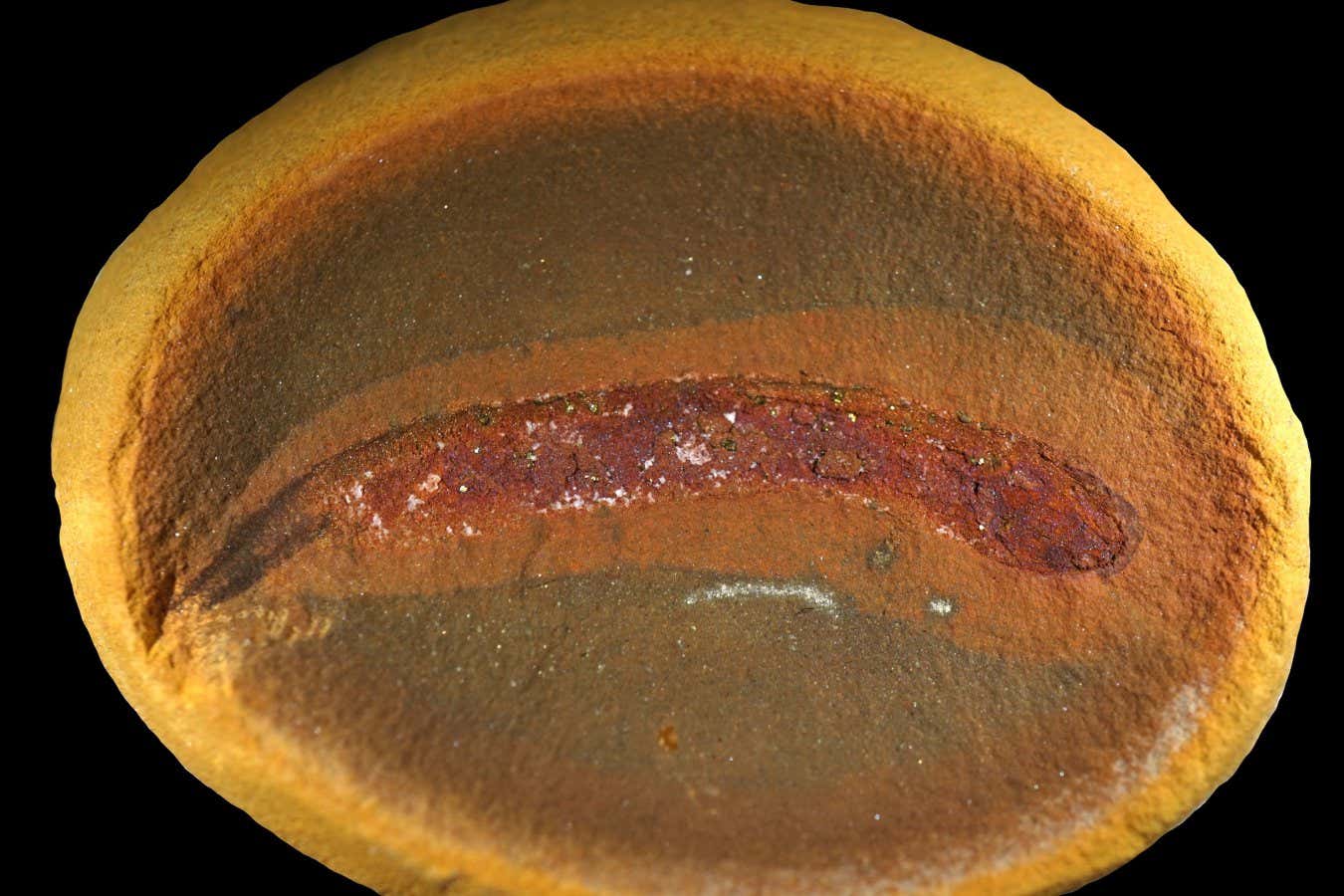
300-million-year-old fossils challenge theory that early land animals had amphibian-like life cycles
A set of exquisitely preserved 300-million-year-old fossils suggests that early four-limbed vertebrates (tetrapods) did not undergo metamorp
newscientist.com·7d ago
Comments
Sign in to join the conversation.
No comments yet. Be the first.