
























A speculative look at humanity's space future 250 years from now
By
Mike Wall
Summary
A speculative and in-depth look at humanity's potential future in space over the next 250 years, from the U.S. semiquincentennial in 2276. The article explores possible trajectories for space exploration including permanent lunar bases, Mars colonization, asteroid mining, interstellar probes, and the long-term evolution of space infrastructure. It acknowledges the inherent difficulty of predicting technological and societal change over such vast timescales while grounding speculation in current trends and trajectories from NASA, SpaceX, and other space agencies.
Source
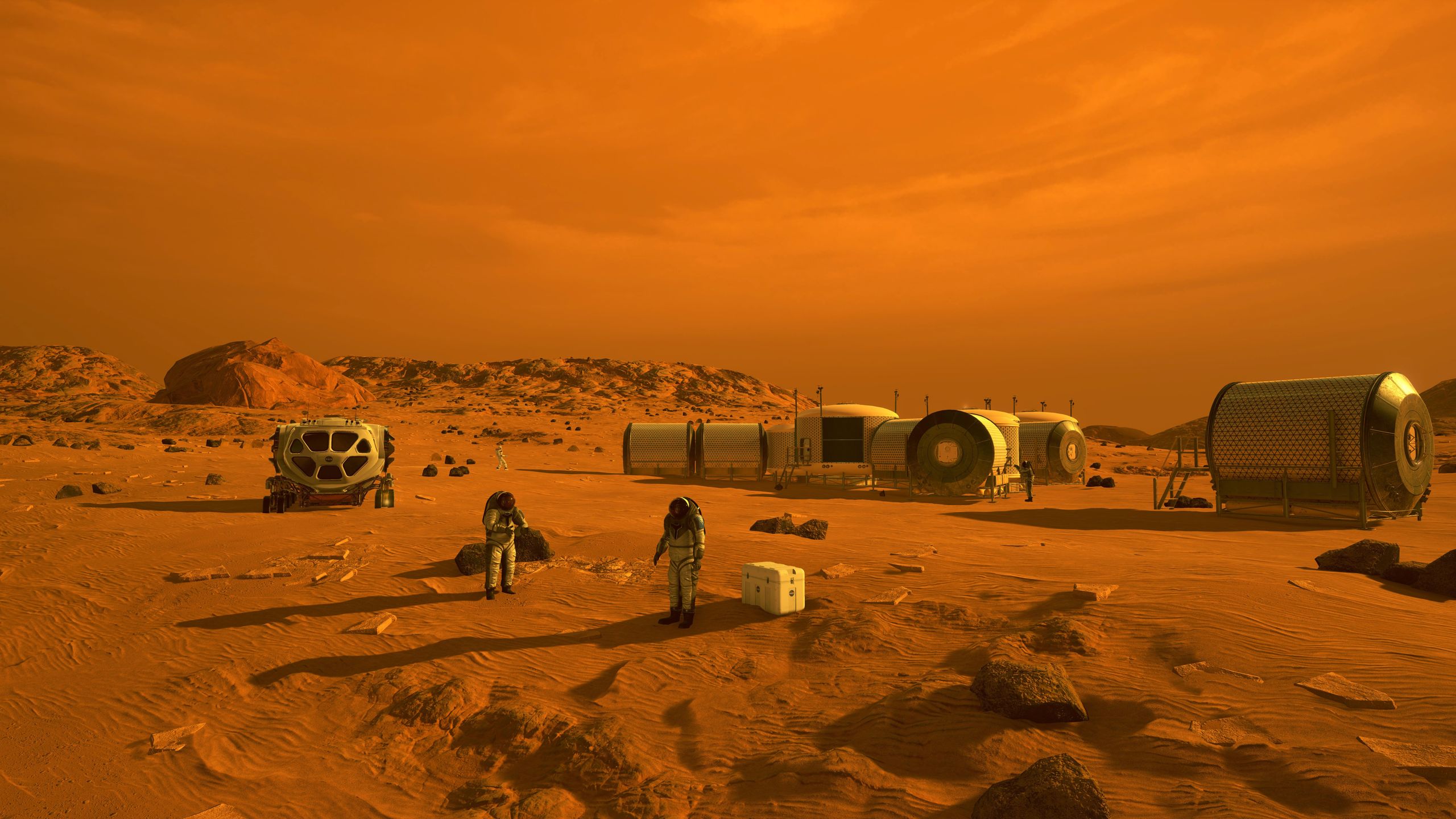
 bskyA speculative look at humanity's space future 250 years from nowspace.com
Key quotes
· 3 pulledLooking so far into the future is so difficult as to be a fool's errand. But it's fun!
The United States has taken some significant steps into the final frontier during its first 250 years.
All of this work has been done relatively recently, as the space age didn't dawn until 1957; when the U.S. was born on July 4, 1776, humanity was still seven years away from its first hot-air balloon flight.
You might also wanna read


Reflecting on 25 Years of Continuous Human Presence in Space
The article reflects on 25 years of continuous human presence in space, marking this milestone as a significant achievement while putting it
NASA Selects 41 Technology Proposals From 37 Companies for Moon and Mars Exploration
NASA has selected 41 proposals from 37 American companies through its 2025 Announcement of Collaboration Opportunity (ACO) to advance space
 nasa.gov·7d ago
Navigating Technological Adolescence: Confronting AI Risks and Survival Strategies
This article appears to be a lengthy exploration of AI risks and technological development, drawing parallels to humanity's 'technological a
 darioamodei.com·5mo ago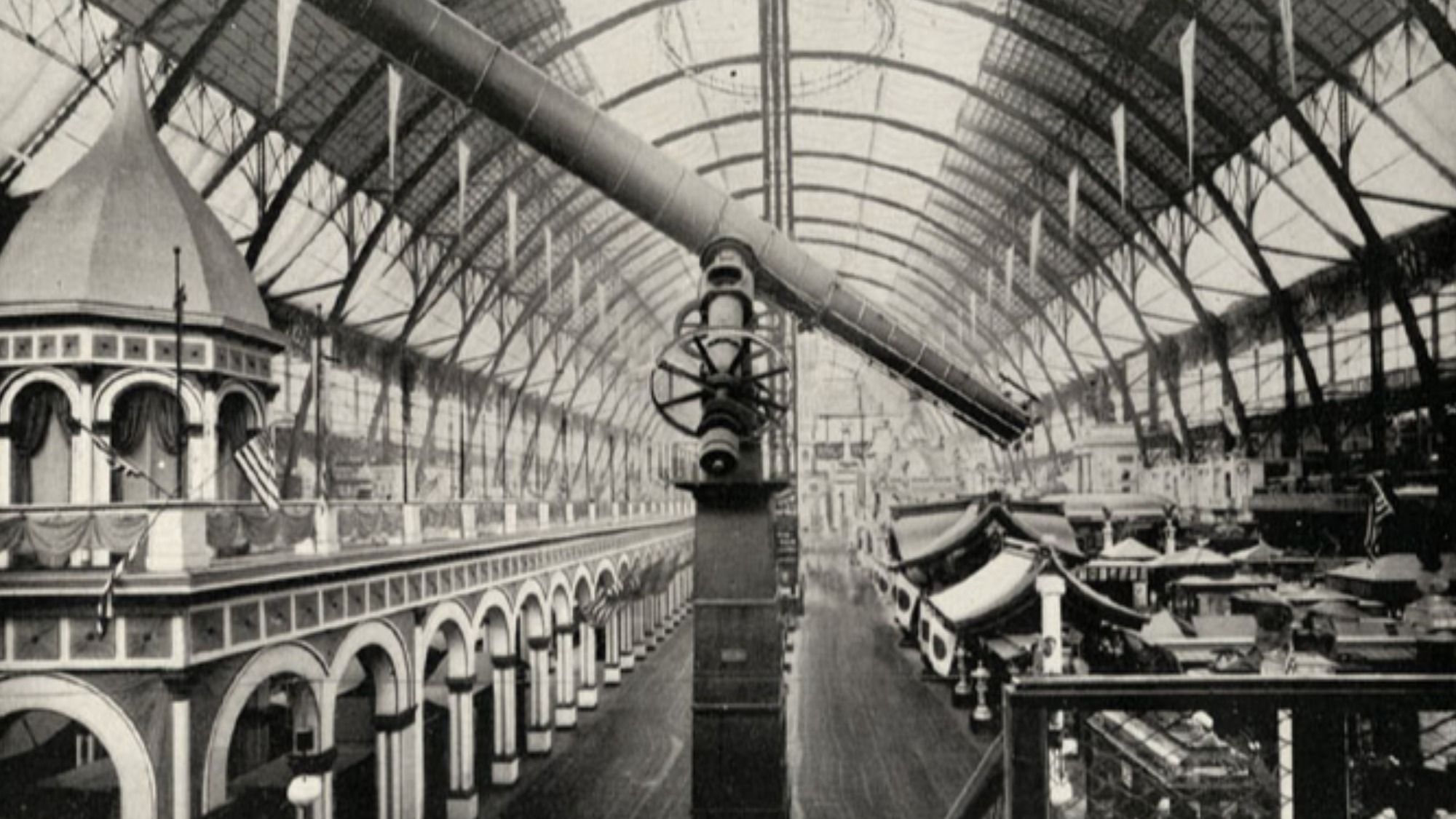
250 years of telescope evolution: From the Yerkes refractor to modern space observatories
This article traces the 250-year evolution of optical telescope technology, paralleling the history of the United States. It covers key mile
 space.com·3d ago
Exploring Generation Ship Designs for Interstellar Travel in Project Hyperion
Project Hyperion investigates the feasibility of crewed interstellar travel using generation ships, which are designed for journeys lasting
 projecthyperion.org·11mo ago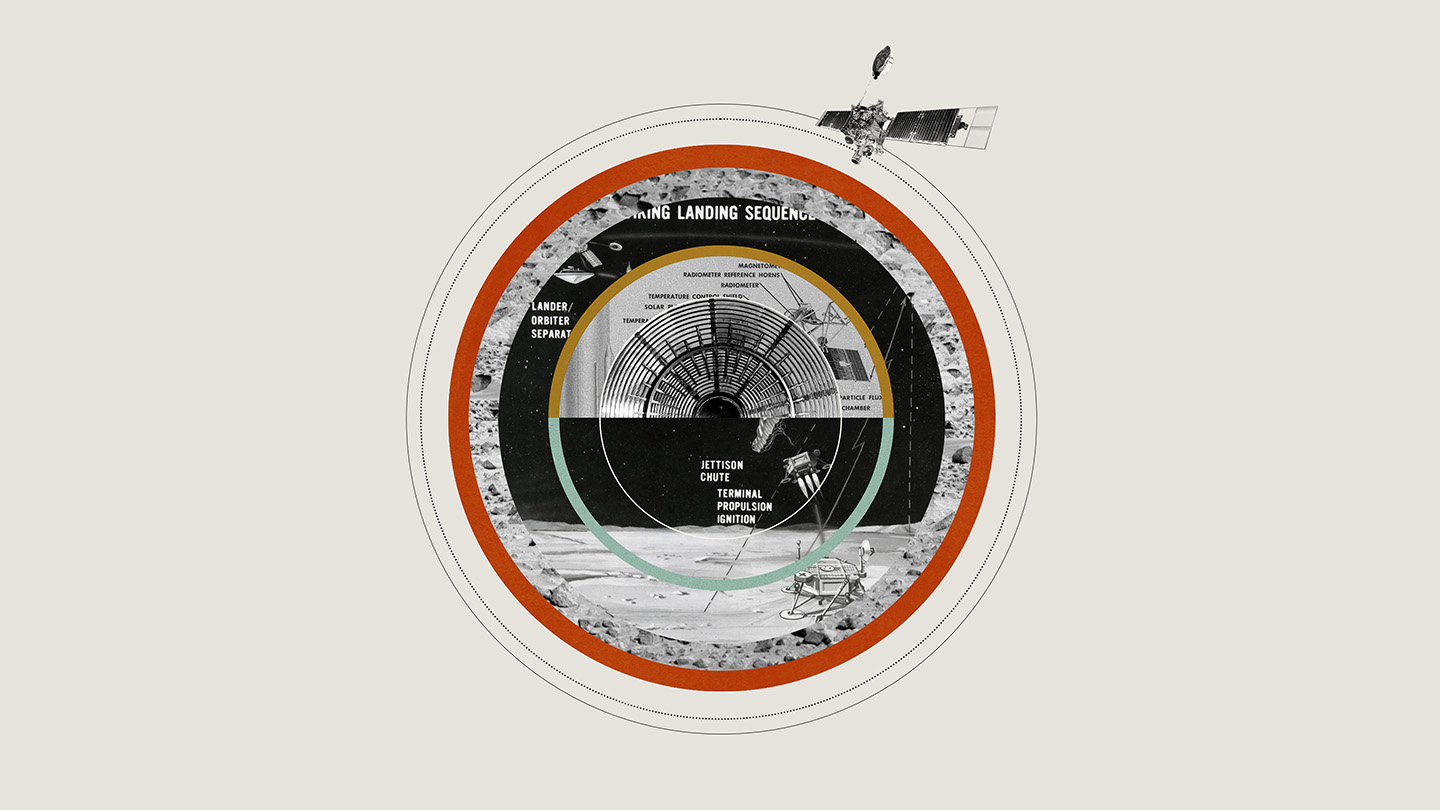
NASA's shifting Mars priorities put the search for life on hold, 50 years after Viking
This article examines NASA's shifting priorities regarding the search for life on Mars, 50 years after the Viking 1 mission first attempted
 sciencenews.org·13d ago
Comments
Sign in to join the conversation.
No comments yet. Be the first.