
























250 years of telescope evolution: From the Yerkes refractor to modern space observatories
By
Keith Cooper
Summary
This article traces the 250-year evolution of optical telescope technology, paralleling the history of the United States. It covers key milestones from the early refracting telescopes of the 18th century, through the Yerkes one-meter refractor displayed at the 1893 World's Fair, to modern space-based observatories. The piece explores how telescope design, materials, and capabilities have advanced dramatically since the nation's founding, highlighting the revolutionary discoveries made possible by each technological leap.
Source
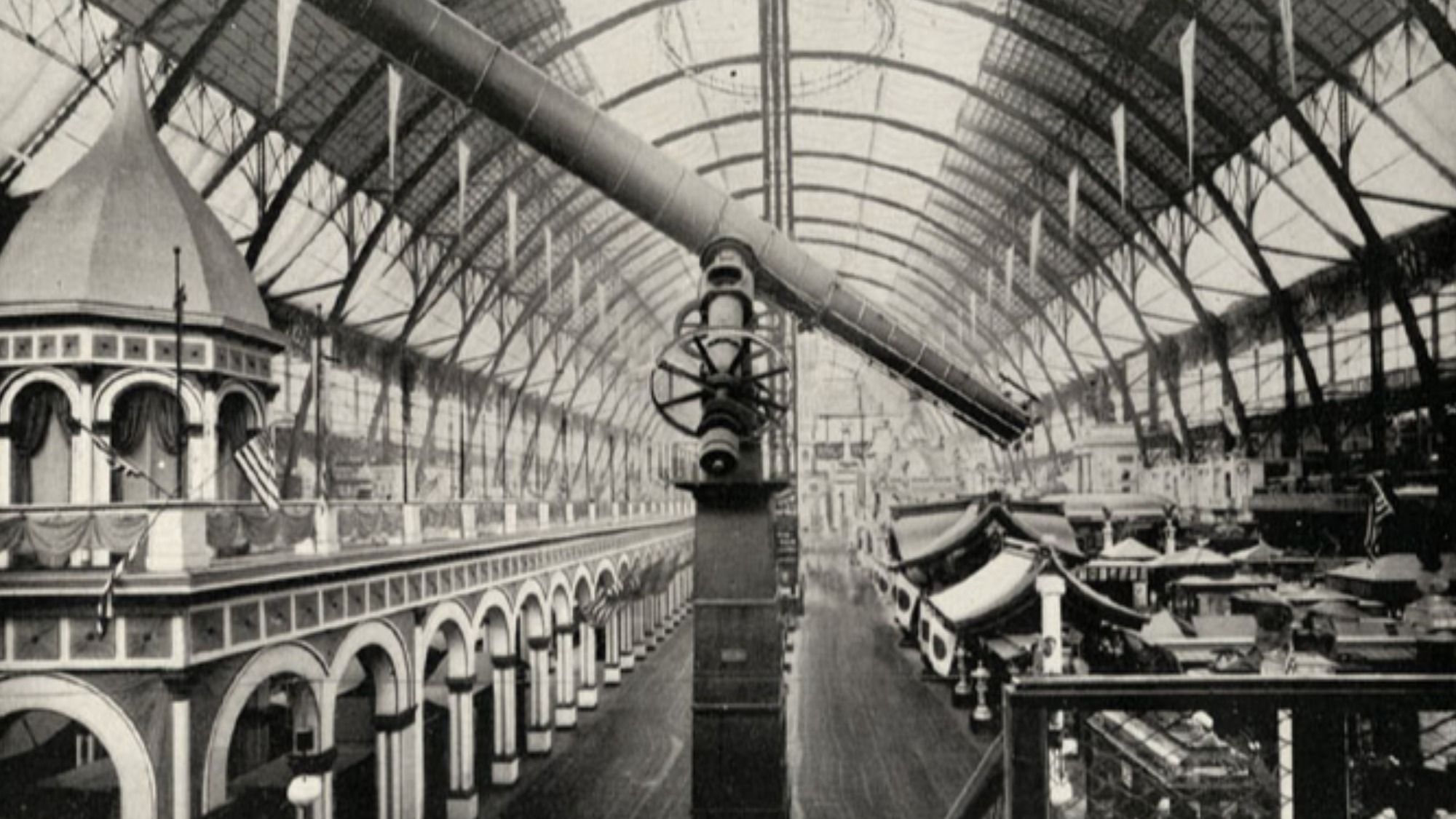
 Twitter / X250 years of telescope evolution: From the Yerkes refractor to modern space observatoriesspace.com
Key quotes
· 3 pulledThe past 250 years of optical telescopes have seen revolutionary discoveries and technology that the telescope's inventor, a seventeenth century spectacle-maker by the name of Hans Lippershey, maybe wouldn't have believed possible.
When we look back through the annals of telescope history, we find that a significant turning point came, coincidentally, just five years after the United States' Declaration of Independence was christened.
From mountaintops to space itself, the progression of telescope technology has been on the up for 250 years.
You might also wanna read

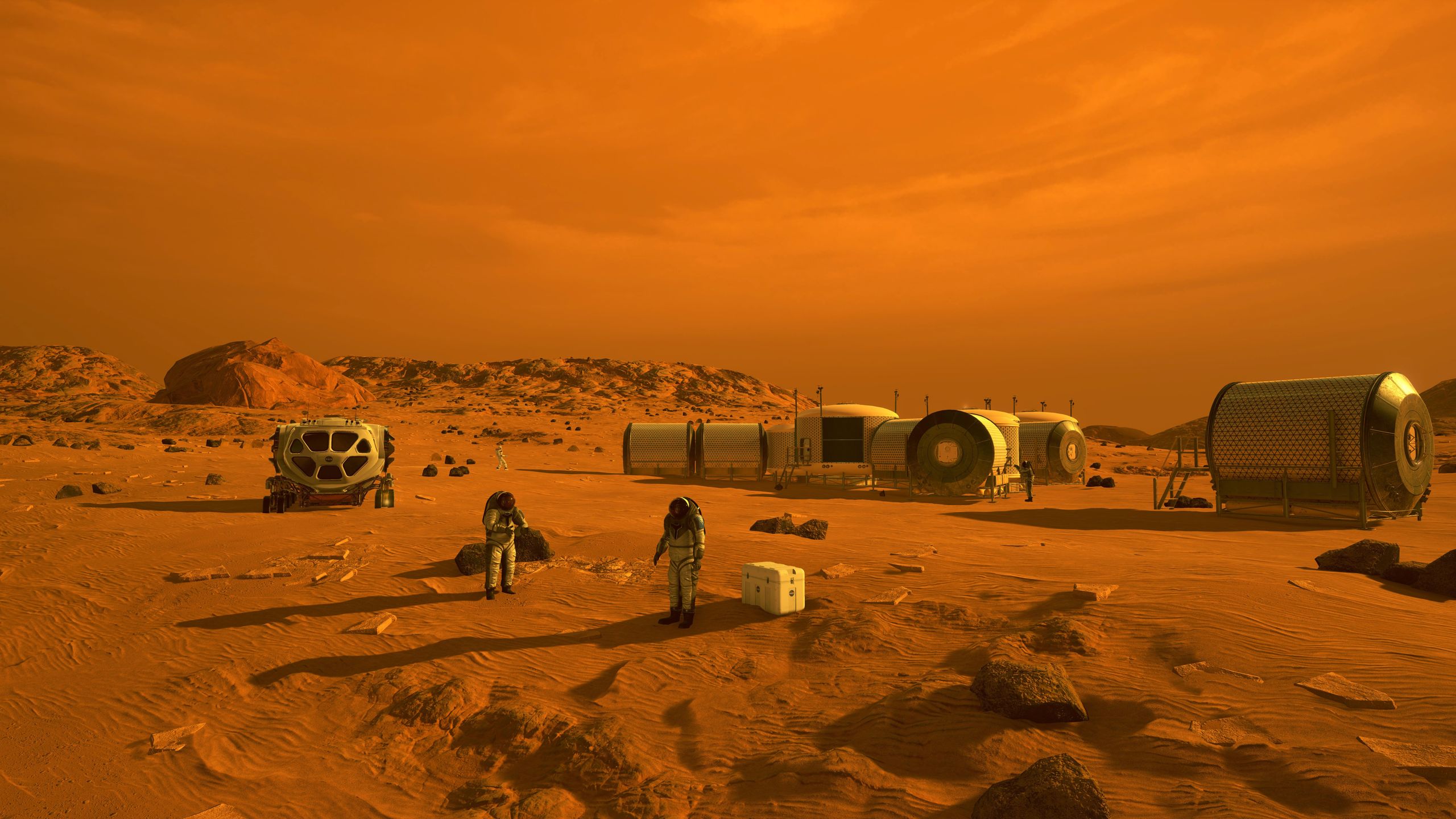
A speculative look at humanity's space future 250 years from now
A speculative and in-depth look at humanity's potential future in space over the next 250 years, from the U.S. semiquincentennial in 2276. T
 space.com·1d ago
A speculative look at humanity's space future 250 years from now
A speculative and in-depth look at humanity's potential future in space over the next 250 years, from the U.S. semiquincentennial in 2276. T
space.com·1d ago
Curiosity Telescope Build Log: Constructing a 6-Inch Telescope for Astronomical Observation
This is a technical build log documenting the construction and first observations with a homemade 6-inch telescope named "Curiosity." The ar
 curiosity-telescope.vercel.app·3mo ago
Evolution of Microscopy: From Leeuwenhoek to Super-resolution Techniques
The article discusses the evolution of microscopy from the 17th century to modern times, highlighting the limitations of light microscopes a
knowablemagazine.org·11mo ago
How Roman-era glassblowing revolutionized trade and daily life
The article explores the history and impact of glassblowing, invented in the late first century BCE in the Roman era. It details how this in
 theconversation.com·25d ago
Astronomical transients in 1950s Palomar plates validated through optical aberration analysis
This paper examines fast astronomical transients detected in Palomar sky survey photographic plates from the 1950s. The authors address crit
 arxiv.org·24d ago
Comments
Sign in to join the conversation.
No comments yet. Be the first.