





















Reflecting on 25 Years of Continuous Human Presence in Space
By
JPLeRouzic

Toasted golden, schmeared with insight. Top of the rack.
Summary
The article reflects on 25 years of continuous human presence in space, marking this milestone as a significant achievement while putting it in perspective against humanity's larger ambitions for space exploration. It discusses how the International Space Station has become a symbol of sustained human presence in orbit, comparing it to permanent bases in Antarctica, and looks forward to future expansion to Mars and beyond as technology evolves.
Key quotes
· 3 pulledWe've now had humans in space for 25 continuous years, a feat that made the news last week and one that must have caused a few toasts to be made aboard the International Space Station.
This is a marker of sorts, and we'll have to see how long it will continue, but the notion of a human presence in orbit will gradually seem to be as normal as a permanent presence in, say, Antarctica.
But what a short time 25 years is when weighed against our larger ambitions, which now take in Mars and will continue to expand as our technologies evolve.
You might also wanna read

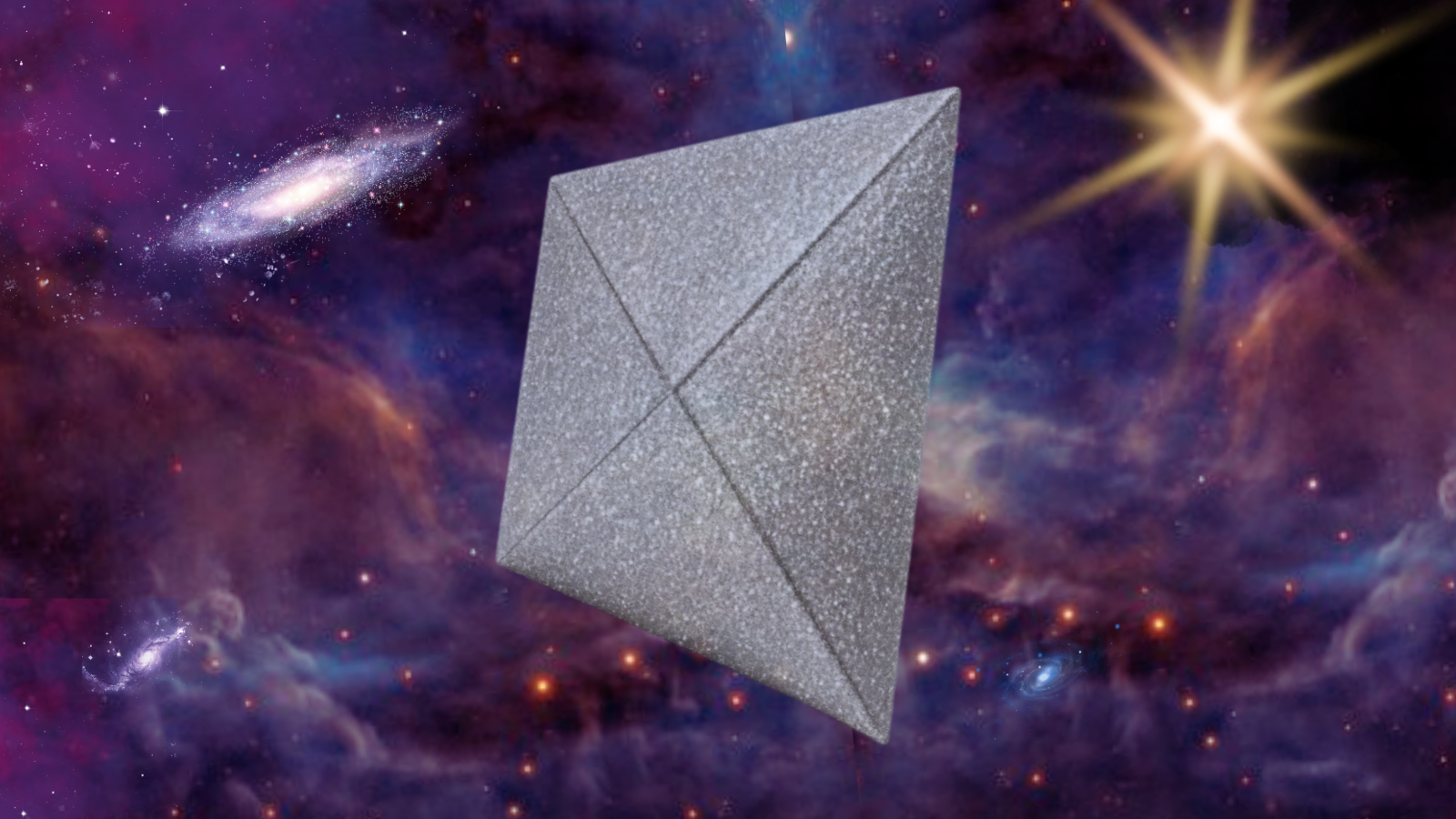
How solar sails could propel humanity to interstellar space
This article explores the concept of solar sails as a realistic propulsion method for interstellar space travel. It discusses how solar sail
 space.com·13h ago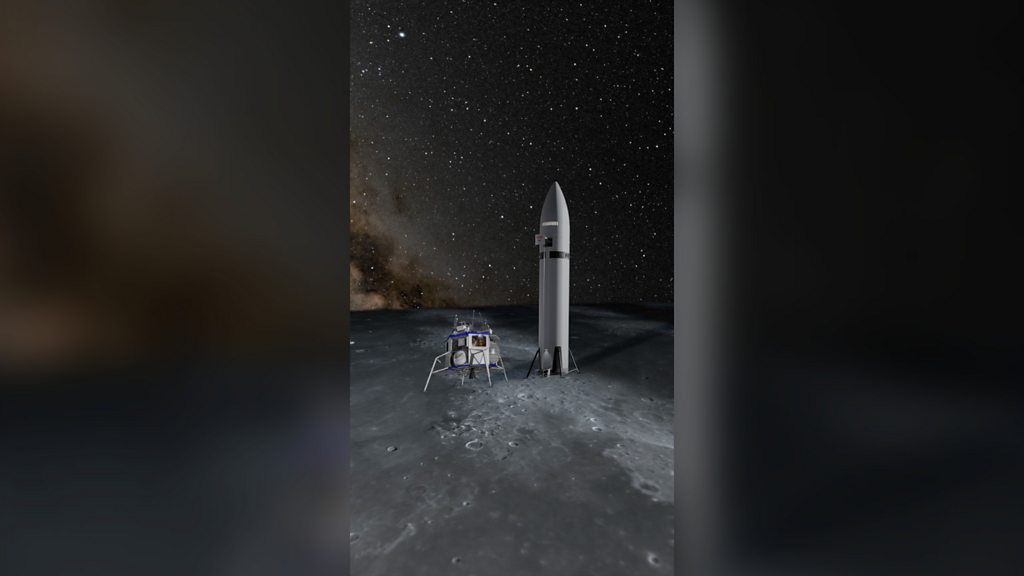
Nasa reveals plans for lunar base with robotic landers and drones
Nasa has released details of its plans to build a lunar base on the Moon, involving robotic landers, hopping drones, and vehicles. The initi
 bbc.com·16h ago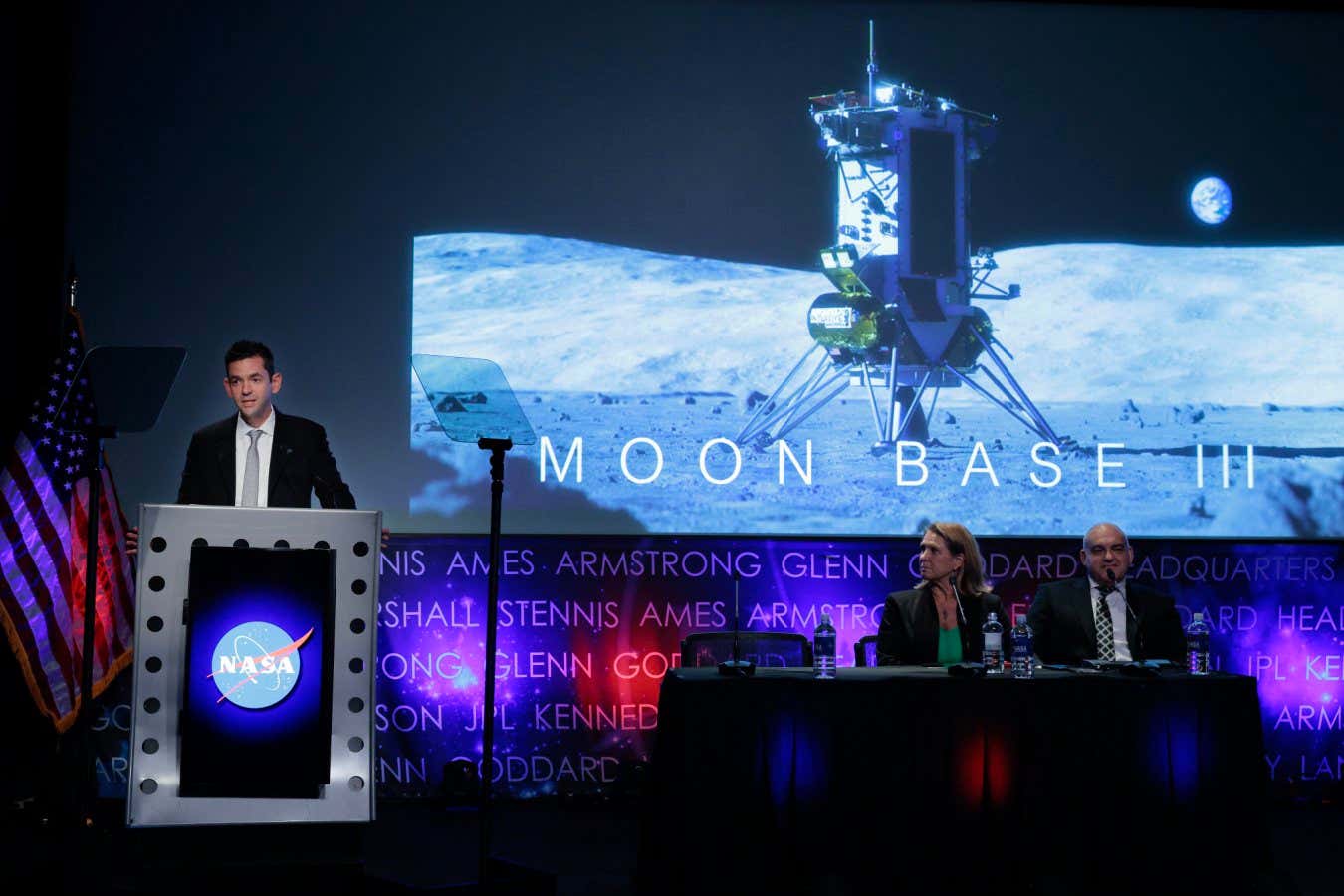
NASA reveals plans for permanent lunar base spanning hundreds of square kilometres
NASA has revealed plans to build a permanent lunar base spanning hundreds of square kilometres as part of its Artemis programme. The initial
 newscientist.com·21h ago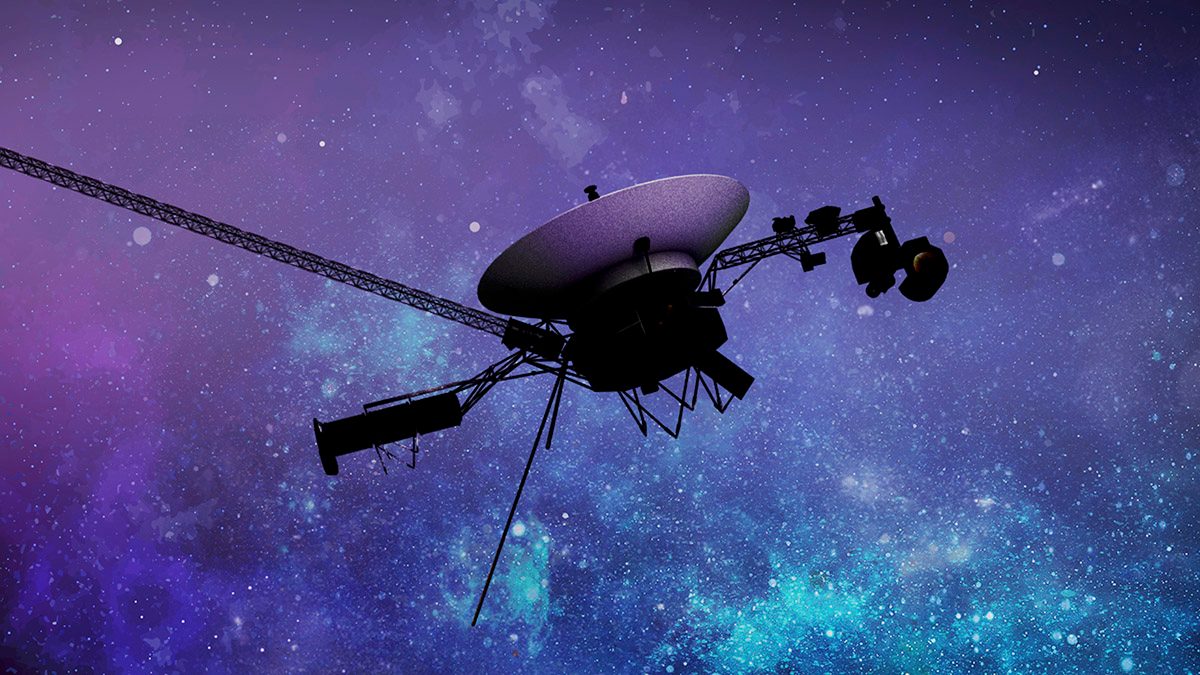
Voyager 1 to reach one light-day from Earth by November 2026
Voyager 1, the farthest human-made object in existence since 1998, is approaching a major milestone: on or around November 13, 2026, it will
 skyatnightmagazine.com·23h ago
Parker Solar Probe flies through Sun's corona at 430,000 mph with revolutionary heat shield technology
NASA's Parker Solar Probe is successfully flying through the Sun's outer atmosphere (corona) at 430,000 mph, protected by a 4.5-inch carbon
 spacedaily.com·1d ago
ISS reports new air leak in Russian module, ongoing problem since 2019
The International Space Station is experiencing another air leak in the PrK module, a narrow transfer tunnel on the Russian segment. This is
 nypost.com·1d ago