
























How strength training improves health and longevity as you age
By
Melissa Hogenboom
Summary
This article explores the science-backed benefits of strength training for healthy aging. The author shares a personal journey of incorporating weight lifting into daily life, explaining how resistance training builds muscle mass, improves bone density, boosts metabolism, and enhances mobility and balance as we age. It contrasts the common focus on cardio with the often-overlooked importance of strength training, offering practical tips for getting started regardless of age or fitness level.
Source

 Twitter / XHow strength training improves health and longevity as you agebbc.com
Key quotes
· 3 pulledAll exercise helps you live longer, but strength training helps you live better – here's how you can get stronger.
It's part of my mission to introduce more strength training into my day-to-day life.
When it comes to staying fit, my circle of friends tend to focus on cardio. We count our steps, track our run
You might also wanna read


Study Finds Resistance Training Load Does Not Determine Muscle Hypertrophy in Healthy Young Males
This scientific research article examines whether resistance training load determines muscle hypertrophy across different limbs in healthy y
 physoc.onlinelibrary.wiley.com·5mo ago
Scientific Research Shows Musical Training Enhances Brain Structure and Function
The article explores scientific research showing that musical training, even for amateurs, has significant positive effects on brain structu
 economist.com·3mo ago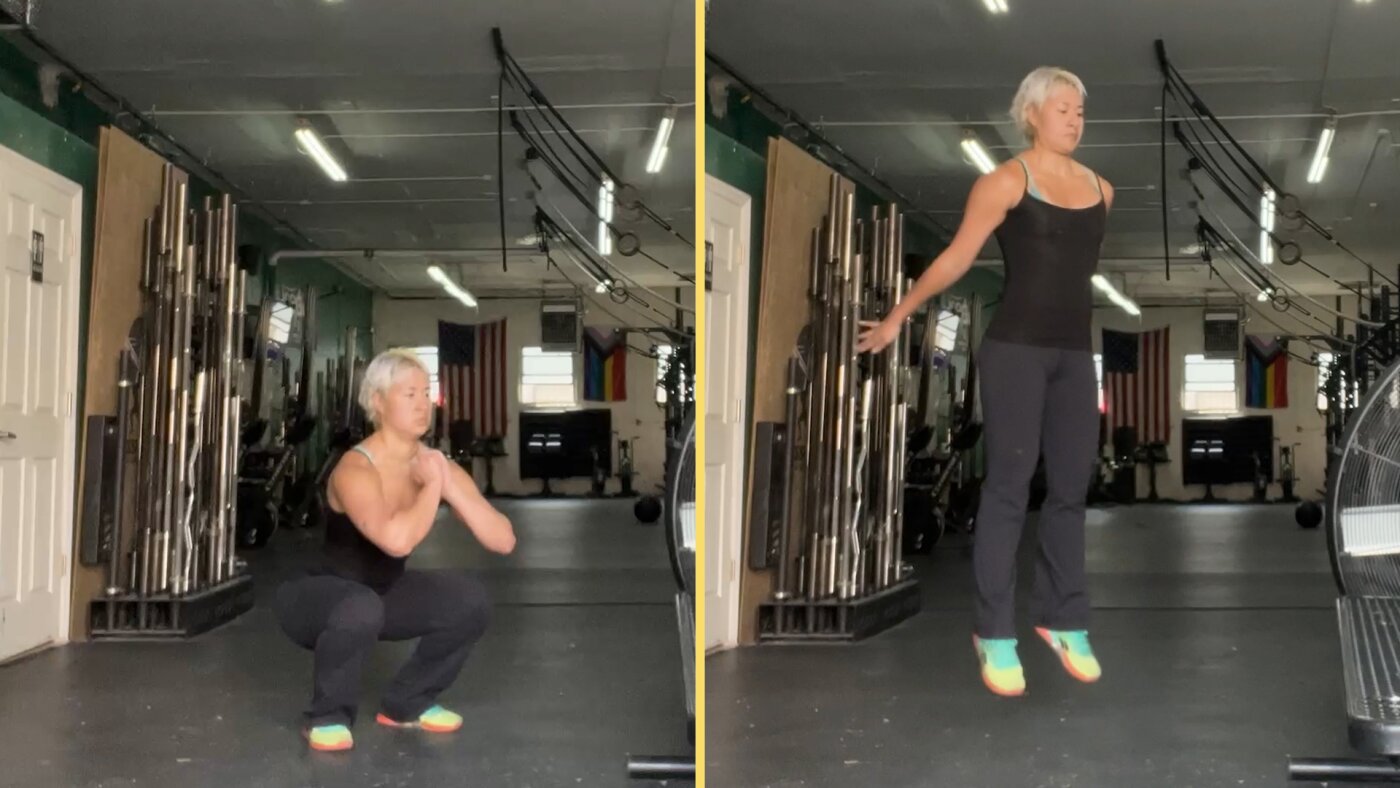
Explosive power training: How combining speed and strength can improve agility and prevent injury
This article explains the concept of "explosive power" training — the ability to rapidly generate force by moving lighter loads quickly. It
 n.pr·3d ago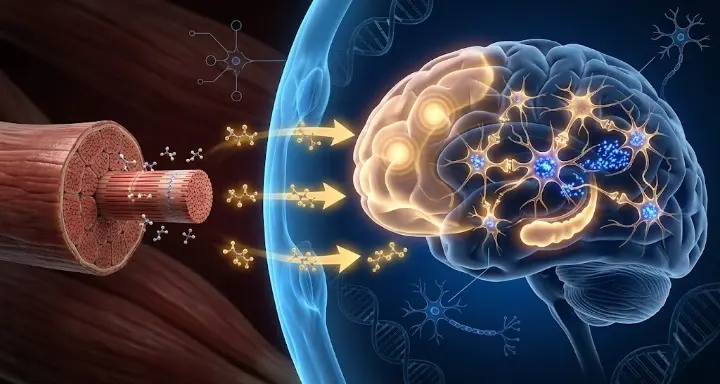
Creatine supplement shows cognitive benefits: slows early Alzheimer's decline by 30% and improves mental performance, studies find
A comprehensive review (2025) and clinical trial (2026) reveal that creatine, widely used as a muscle-building supplement, also crosses the
 thesciverse.org·24d ago
Lifestyle Changes Like Exercise and Diet Can Slow Cognitive Decline in Older Adults, Study Finds
A clinical trial involving 2,100 participants suggests that structured and self-guided lifestyle changes, including regular exercise, diet,
 smithsonianmag.com·10mo ago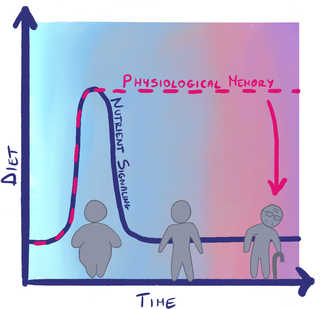
Toward a life-course biology of aging: How early-life conditions shape late-life health and longevity
This article proposes a "life-course biology of aging" framework, arguing that aging is not solely determined by current conditions but is s
 plos.io·27d ago
Comments
Sign in to join the conversation.
No comments yet. Be the first.