
























Accelerated Biological Aging in Adults with Congenital Heart Disease: Clinical Evidence and Implications
Summary
This article from the American College of Cardiology examines the emerging evidence of accelerated biological aging in adults with congenital heart disease (CHD). It distinguishes between chronological age (time since birth) and biological age (functional, cellular, and tissue age), noting that accelerated biological aging occurs when biological age exceeds chronological age. The article highlights that in heart disease, accelerated biological aging is linked to a fourfold increased risk of death and hospitalization, particularly in heart failure patients. It explores how the congenital heart disease population may experience premature aging due to chronic physiological stressors, and discusses the clinical implications for managing these patients as they grow older.
Source

 Twitter / XAccelerated Biological Aging in Adults with Congenital Heart Disease: Clinical Evidence and Implicationsacc.org
Key quotes
· 4 pulledAging is a major risk factor for most diseases, and accelerated biological aging is increasingly recognized in many chronic diseases.
Chronological age refers to the time that has elapsed since birth, whereas biological age reflects functional, cellular, and tissue age.
Accelerated biological aging is when one's biological age outpaces chronological age.
In heart disease, accelerated biological aging has been linked to heart failure with a fourfold increased risk of death and hospitalization.
You might also wanna read


Multidimensional aging framework reveals liver-derived coagulation factors as drivers of vascular aging
This article presents the mCAS (multicentric Chinese aging standardized cohort) study, which analyzed 2,019 Chinese individuals aged 18–91 t
Maternal congenital heart disease linked to increased developmental vulnerability in children: Population-based cohort study
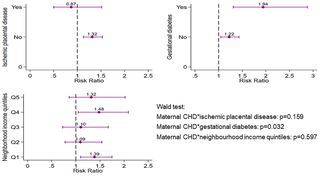
This population-based cohort study by Muhammad Hossin and colleagues examines whether maternal congenital heart disease (CHD) is associated
 plos.io·2d ago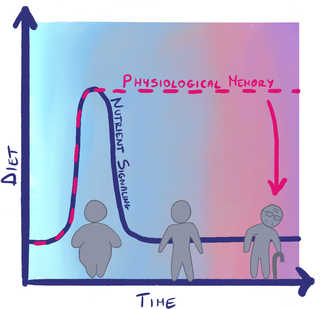
Toward a life-course biology of aging: How early-life conditions shape late-life health and longevity
This article proposes a "life-course biology of aging" framework, arguing that aging is not solely determined by current conditions but is s
plos.io·1mo ago
Moderate Coffee Consumption Linked to Slower Biological Ageing in People with Severe Mental Illness
New research from King's College London reveals that moderate coffee consumption (within NHS recommended limits) is associated with longer t

Rise in cancer in younger adults may be explained by faster 'biological aging,' early study hints

Harvard Scientists Develop Genetic Clock That Measures Biological Aging Across Species
Harvard scientists have developed a new "genetic clock" that measures biological age at the cellular level, going beyond chronological age t
 singularityhub.com·1mo ago
Comments
Sign in to join the conversation.
No comments yet. Be the first.