
























Astronomers observe star in Andromeda vanish, likely forming a black hole without a supernova
Summary
Astronomers have observed the mysterious disappearance of a massive star called M31-2014-DS1 in the Andromeda Galaxy, 2.5 million light-years away. Unlike typical supernovae, this star didn't explode violently — it simply faded from view after a brief brightening. Researchers led by Kishalay De at the Flatiron Institute analyzed data from 2005 to 2023, including NASA's NEOWISE mission. The leading theory is that the star collapsed directly into a black hole without a visible supernova, a phenomenon known as a "failed supernova" or direct-collapse black hole. The star showed a sudden brightening in infrared (suggesting warm dust and gas), followed by its complete disappearance in visible light, while remaining bright in infrared — consistent with a massive star that collapsed into a black hole, with its outer material forming a dusty shell.
Source
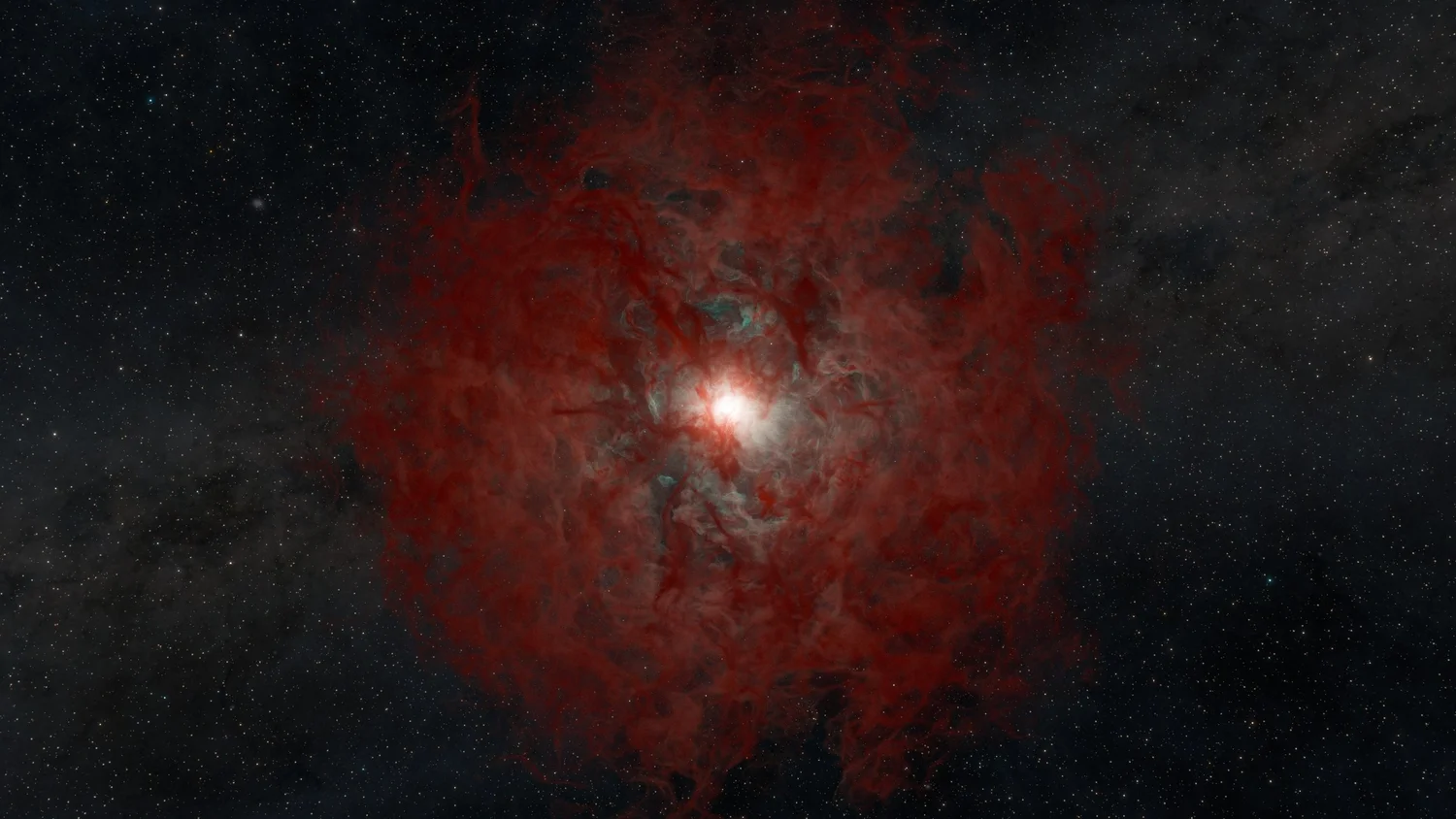
 Twitter / XAstronomers observe star in Andromeda vanish, likely forming a black hole without a supernovauniversal-sci.com
Key quotes
· 3 pulledIf you are wondering why infrared matters, think of it like heat-vision. Visible light tells you what is shining. Infrared can reveal warm dust and gas that is glowing even when the star itself is gone.
The star that got brighter first… then went missing
A brilliant star in our nearest galactic neighbor didn't go out with a bang, it simply faded from sight, leaving scientists to piece together what could make something so massive vanish so quietly.
You might also wanna read

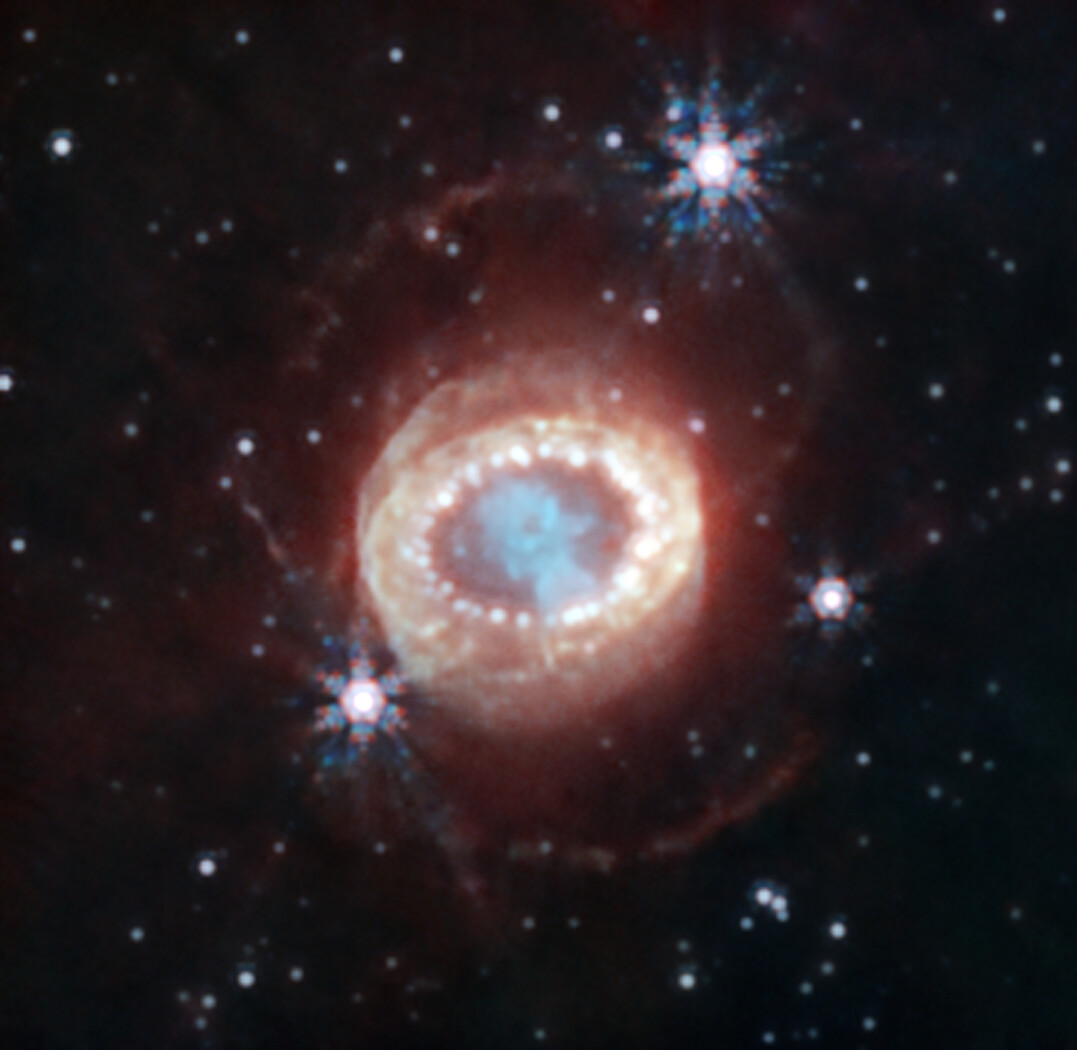
Astronomers Detect Black Holes Too Small to Form From Supernovae
This article discusses the discovery of black hole candidates with masses that fall in the "mass gap" — a range of masses thought to be too
 three-alpha.space·27d ago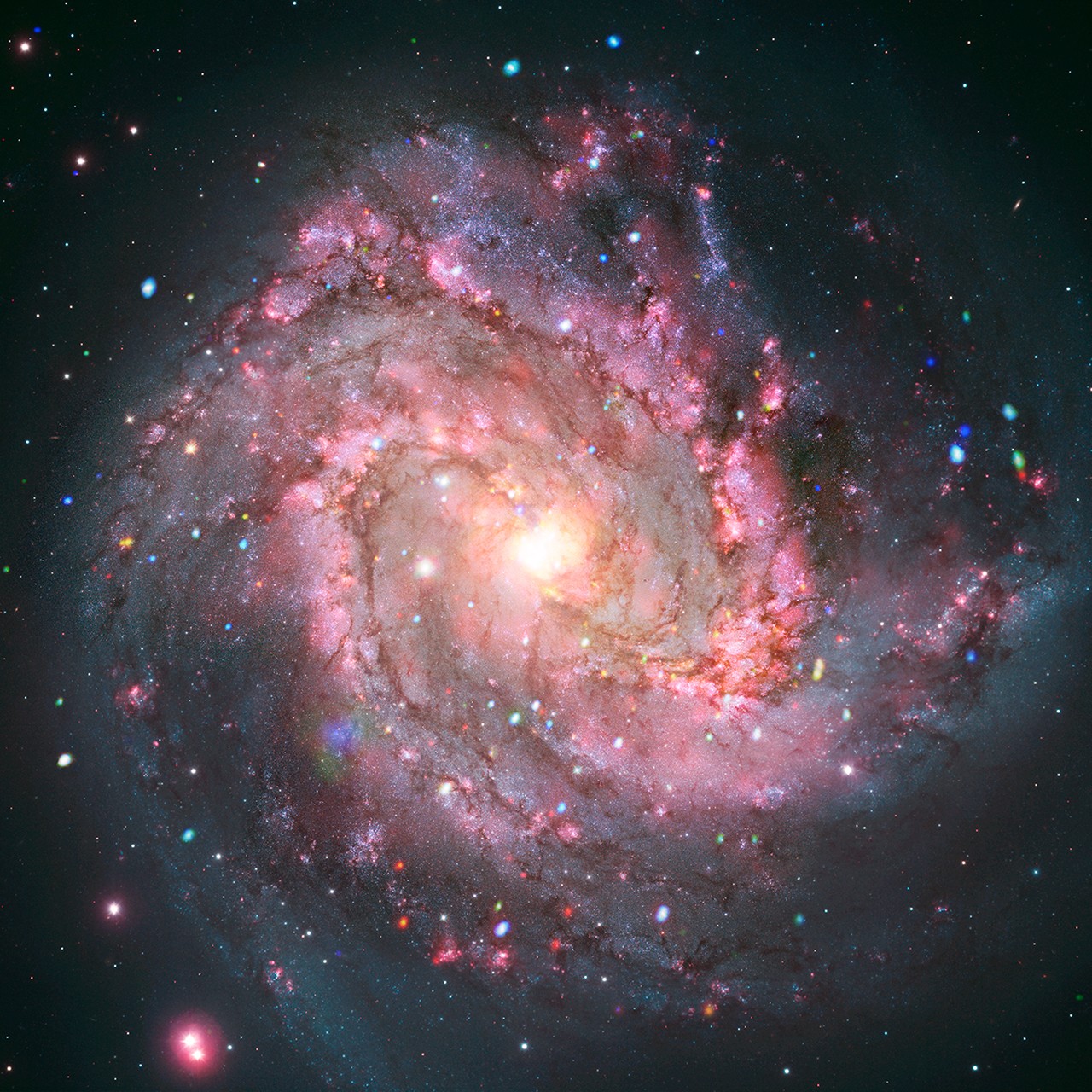
NASA's Chandra Observatory Discovers Unexpected Brightness Changes in Supernova Remnants in Galaxy M83
Astronomers using NASA's Chandra X-ray Observatory studied the galaxy Messier 83 (M83) over a 14-year period and unexpectedly discovered tha
 science.nasa.gov·7d ago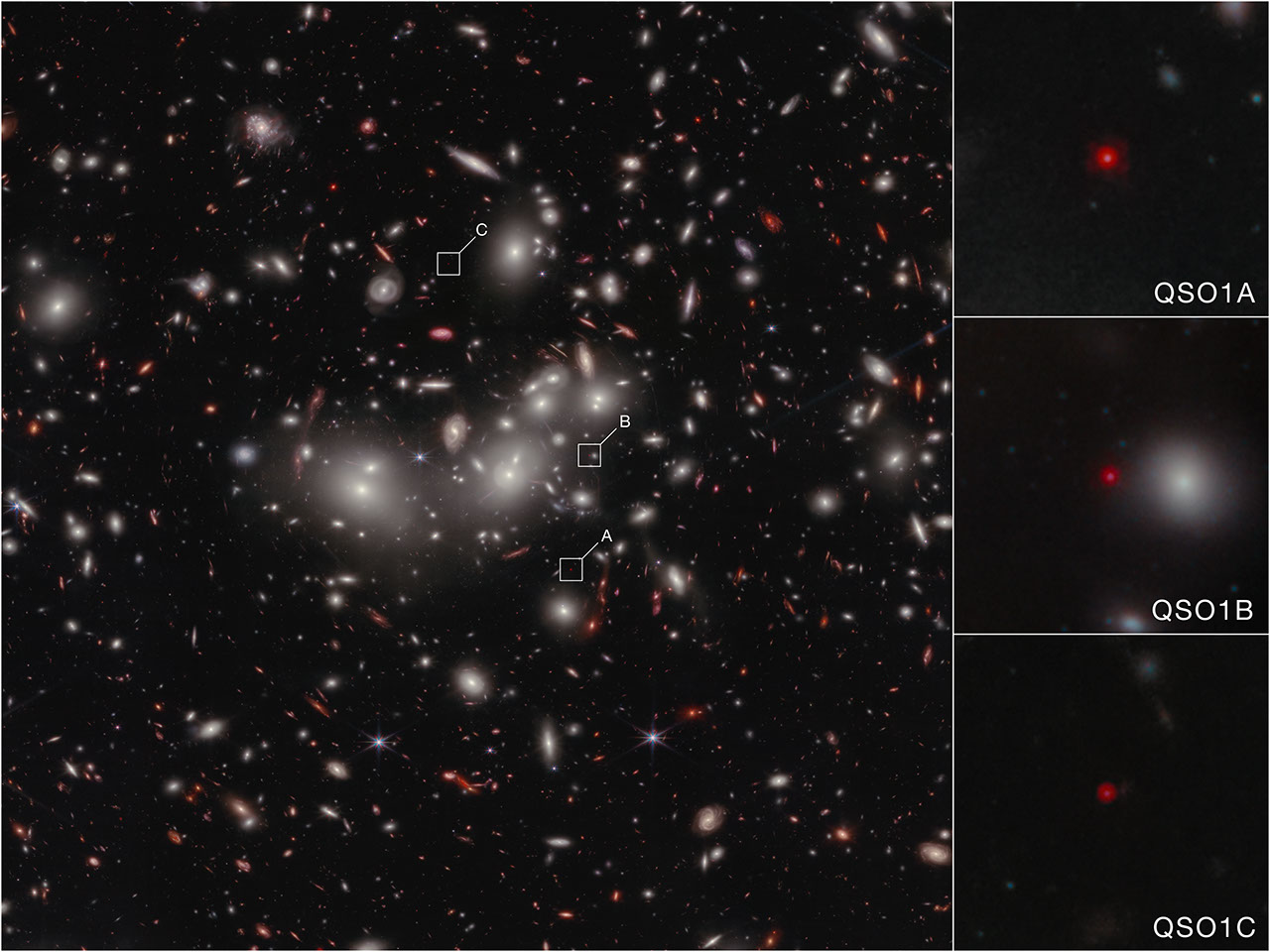
NASA's Webb Telescope Detects Black Hole That Formed Before Its Host Galaxy, Challenging Cosmic Evolution Theories
Researchers using NASA's James Webb Space Telescope have detected a massive black hole in the early universe that appears to have formed bef
science.nasa.gov·24d agoSpectroscopic Classification of ASASSN-25cm as a Classical Nova
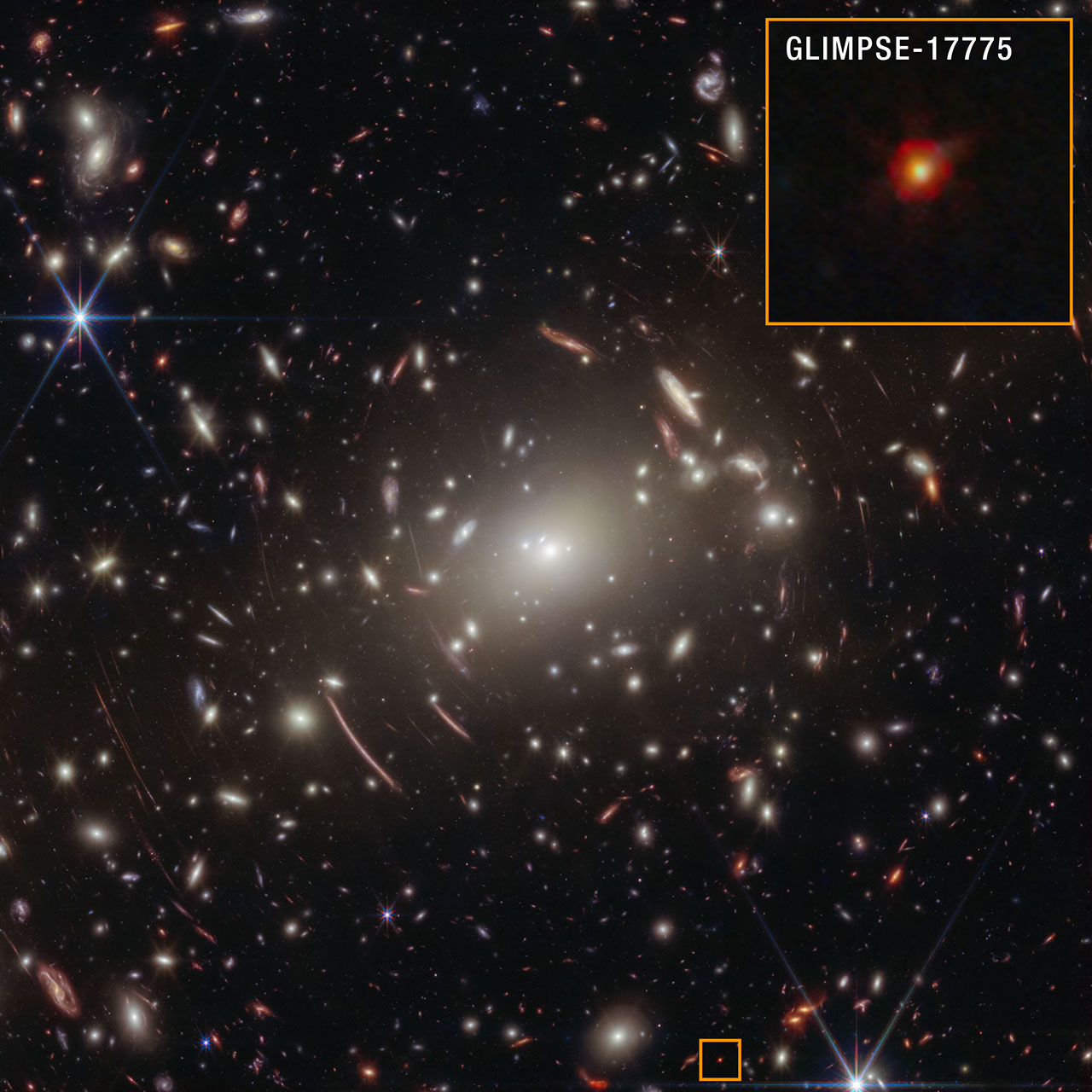
NASA's Webb Telescope Provides Strongest Evidence Yet for 'Black Hole Stars' in Early Universe
Astronomers using NASA's James Webb Space Telescope have identified a "little red dot" galaxy called GLIMPSE-17775, whose spectrum provides
science.nasa.gov·16d ago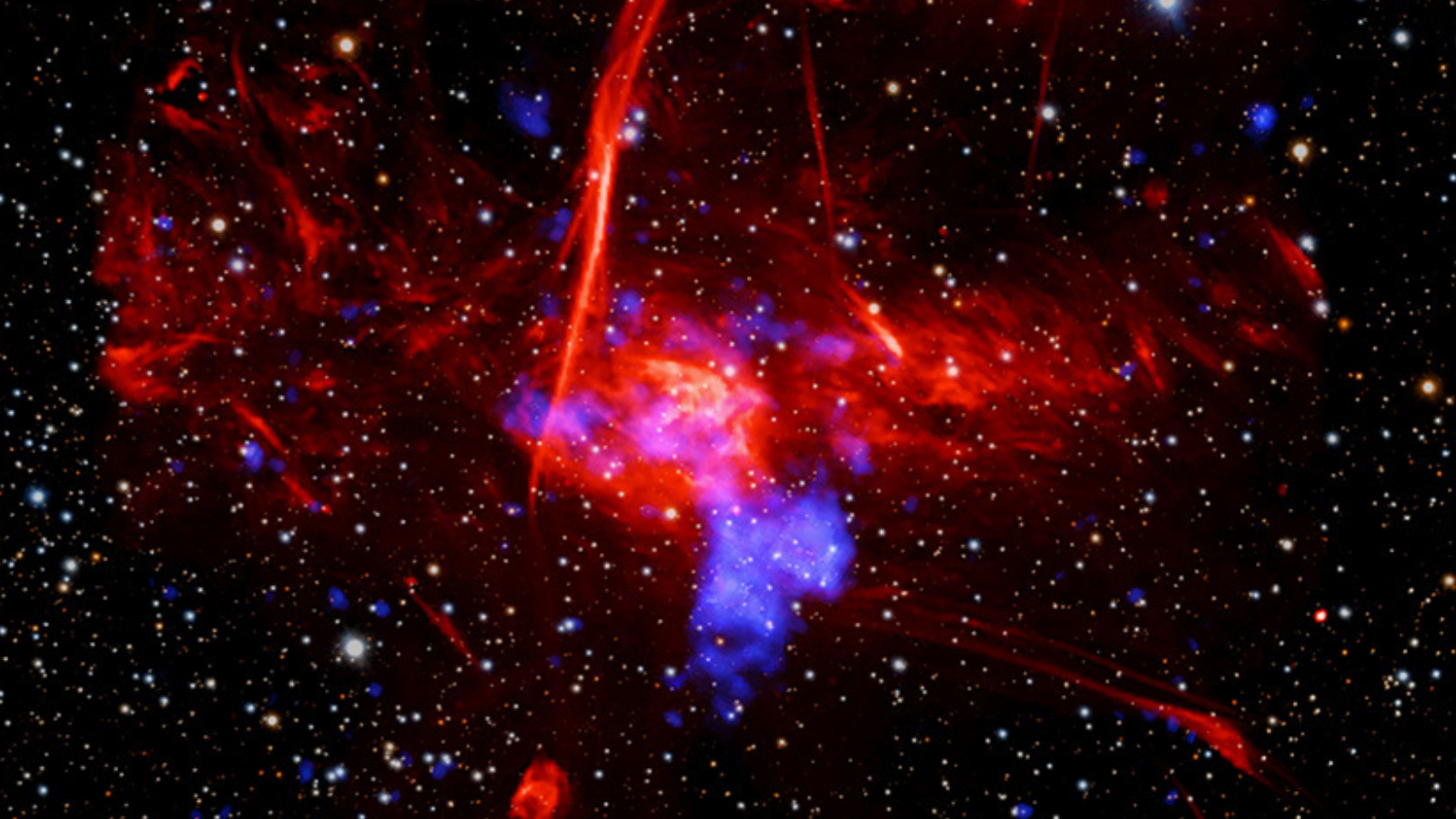
NASA's Chandra X-ray Observatory detects supernova debris near Milky Way's supermassive black hole
NASA's Chandra X-ray spacecraft has detected supernova wreckage near Sagittarius A*, the supermassive black hole at the center of the Milky
 space.com·11d ago
Comments
Sign in to join the conversation.
No comments yet. Be the first.