
























A neutron star can pack more mass than our entire Sun into a sphere only about 20 kilometres across — roughly the size of a city — and a teaspoon of its material would weigh about a billion tonnes on Earth, more than every human being alive combined.
From the article
A neutron star is one of the few objects in astronomy where the familiar scale of a city and the unfamiliar scale of nuclear physics meet in the same sentence. NASA’s Imagine the Universe site describes a neutron star as the collapsed core left behind when a massive star runs out of fuel and its […] The post A neutron star can pack more mass than our entire Sun into a sphere only about 20 kilometres across — roughly the size of a city — and a teaspoon of its material would weigh about a billion tonnes on Earth, more than every human being alive combined. appeared first on Space Daily .
Continue reading on Space DailyYou might also wanna read

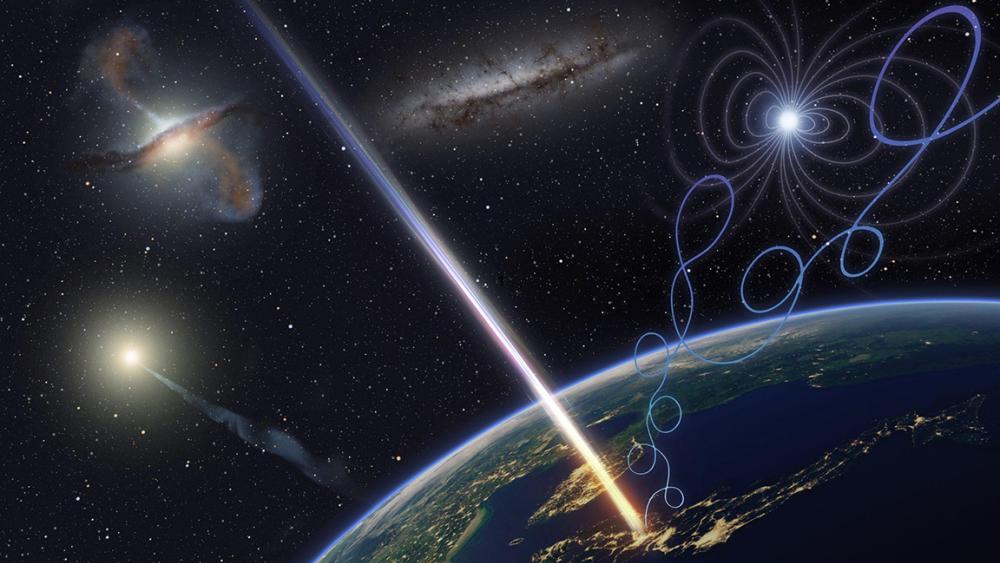
Ultraheavy nuclei may explain origins of highest-energy cosmic rays, Penn State study finds
New research led by Penn State scientists suggests that ultrahigh-energy cosmic rays—including the record-breaking "Amaterasu particle" dete
 psu.edu·29d ago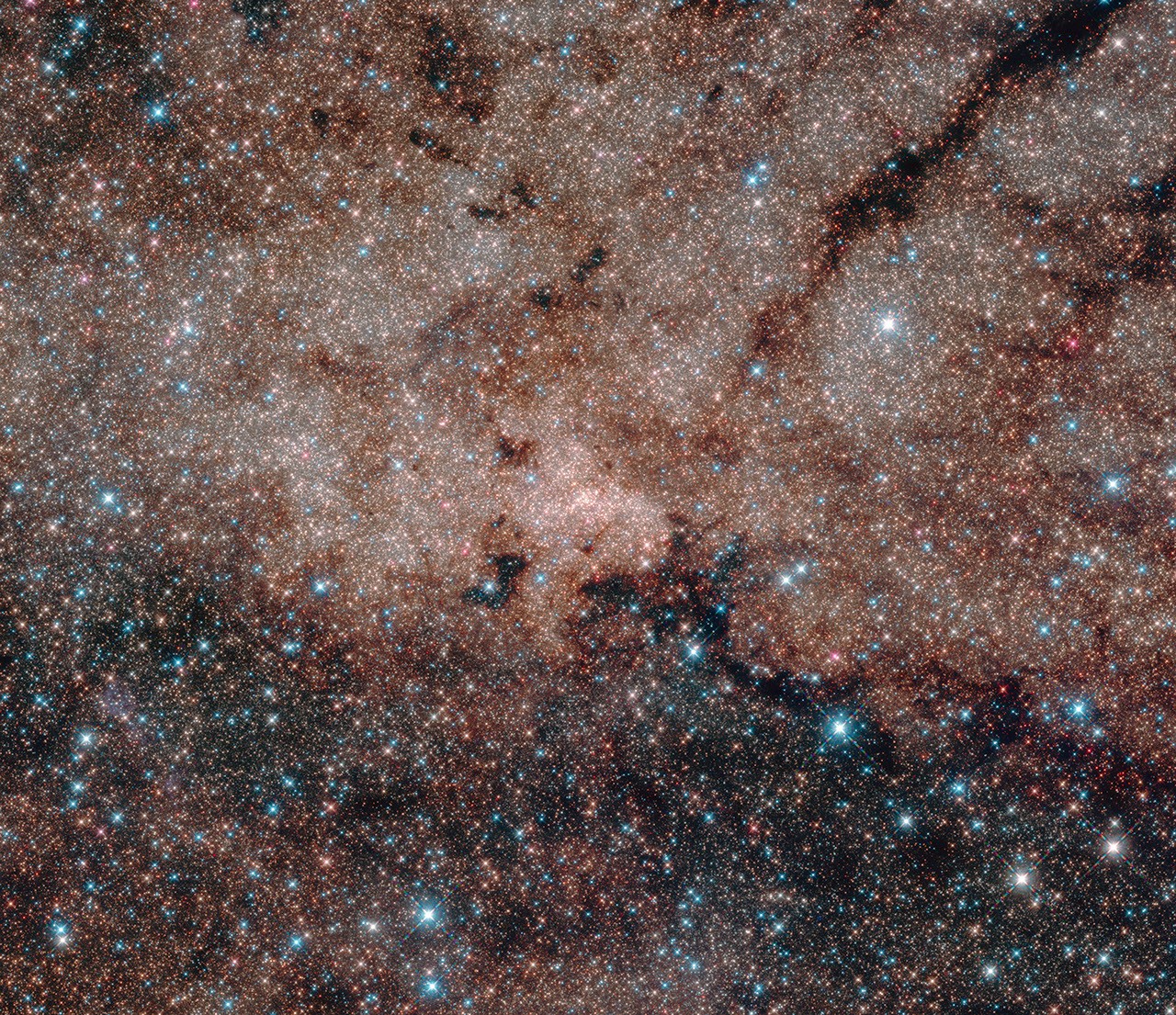
Hubble Reveals Half a Million Stars in Milky Way's Nuclear Star Cluster
NASA's Hubble Space Telescope has captured a deep view of the Milky Way's nuclear star cluster, revealing more than half a million stars pac
 go.nasa.gov·5d ago
The Pair Instability Mass Gap: Why Some Stars Are Too Massive to Form Black Holes
This newsletter edition discusses the upper mass limit for stellar-mass black holes formed via supernovae, specifically the "pair instabilit
 three-alpha.space·8d ago
New AI model reveals how neutron star mergers forge heavy elements
ScienceDaily·20h ago
Astronomers witness the birth of a magnetar for the first time
ScienceDaily·2d ago
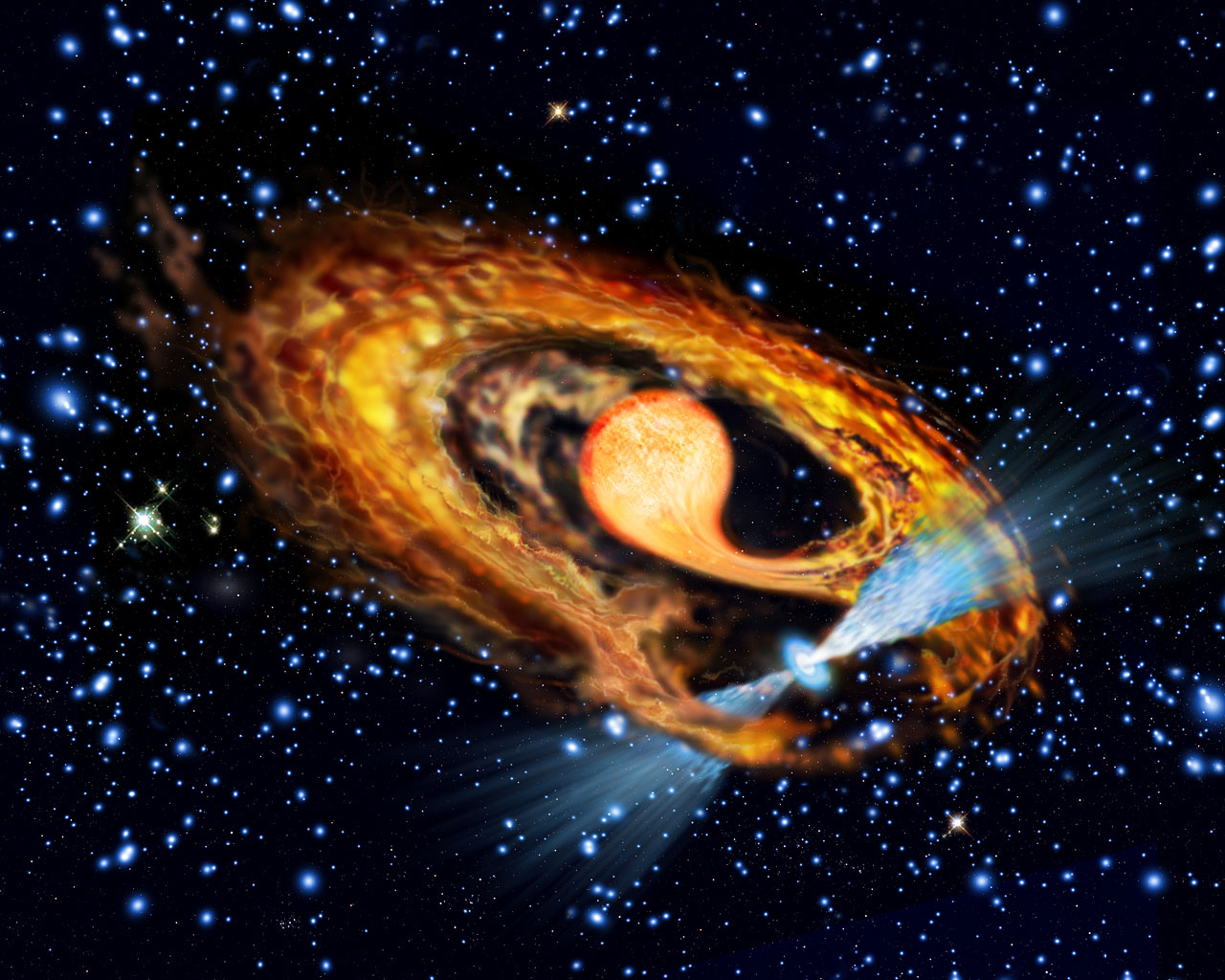
Six New Millisecond Pulsars Discovered Using FAST Telescope Data Stacking
Researchers using China's FAST telescope (the world's largest single-dish radio telescope) have discovered six previously undetected millise
 aasnova.org·1mo ago
Comments
Sign in to join the conversation.
No comments yet. Be the first.