
























Hubble Reveals Half a Million Stars in Milky Way's Nuclear Star Cluster
By
Andrea Gianopoulos
Summary
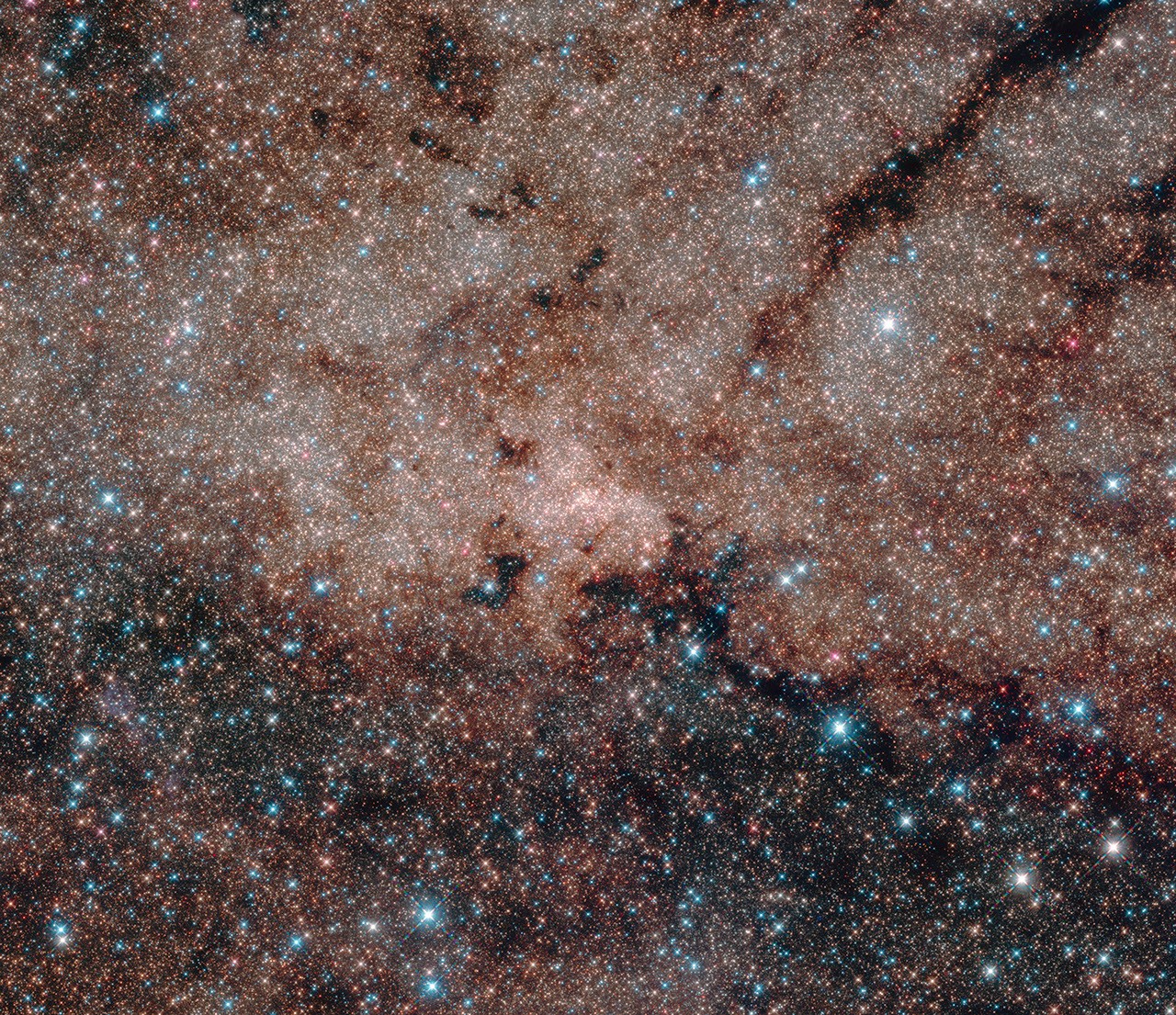
NASA's Hubble Space Telescope has captured a deep view of the Milky Way's nuclear star cluster, revealing more than half a million stars packed into the galactic core. This cluster is the most massive and densest star cluster in our galaxy, surrounding the supermassive black hole at the center of the Milky Way. The density is so extreme that it's equivalent to having a million suns crammed into the space between us and Alpha Centauri (4.3 light-years away).
Source
 Twitter / XHubble Reveals Half a Million Stars in Milky Way's Nuclear Star Clustergo.nasa.gov
Key quotes
· 4 pulledPeering deep into the heart of our Milky Way galaxy, NASA's Hubble Space Telescope reveals a rich tapestry of more than half a million stars.
Except for a few blue, foreground stars, the stars are part of the Milky Way's nuclear star cluster, the most massive and densest star cluster in our galaxy.
So packed with stars, it is equivalent to having a million suns crammed into the volume of space between us and our closest stellar neighbor, Alpha Centauri, 4.3 light-years away.
At the very hub of our galaxy, this star cluster surrounds the Milky Way's central supermassive black hole.
You might also wanna read


NASA's Hubble captures a star-spangled sea of 500,000 stars
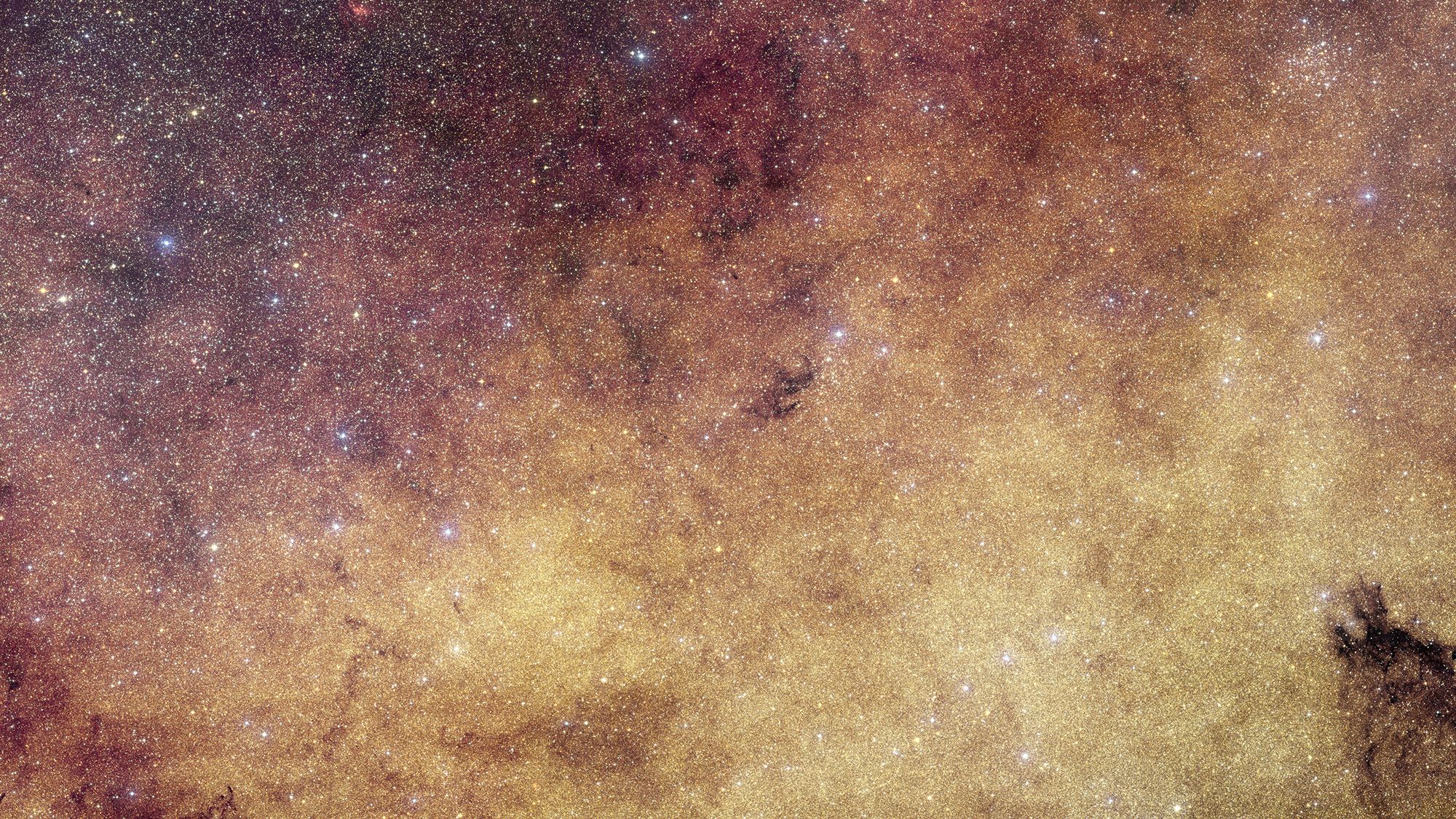
Euclid space telescope captures detailed image of Milky Way's center revealing 60 million stars
The Euclid space telescope has captured an extraordinarily detailed image of the Milky Way's center, revealing over 60 million stars. The Eu
 livescience.com·6d ago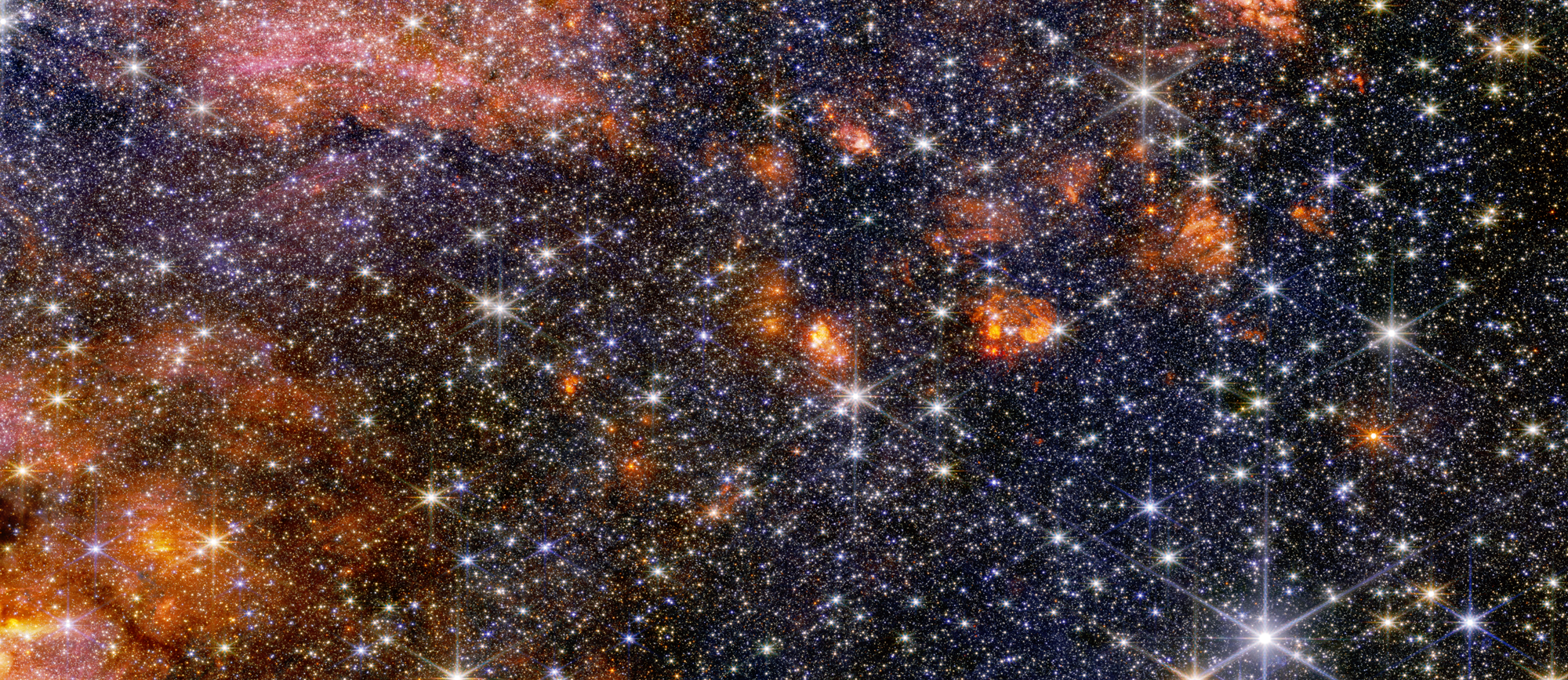
James Webb Space Telescope peers deep into the heart of star formation in our Milky Way galaxy
 space.com·9mo ago
NASA's Hubble captures a crimson stellar nursery sparkling with blue and white stars
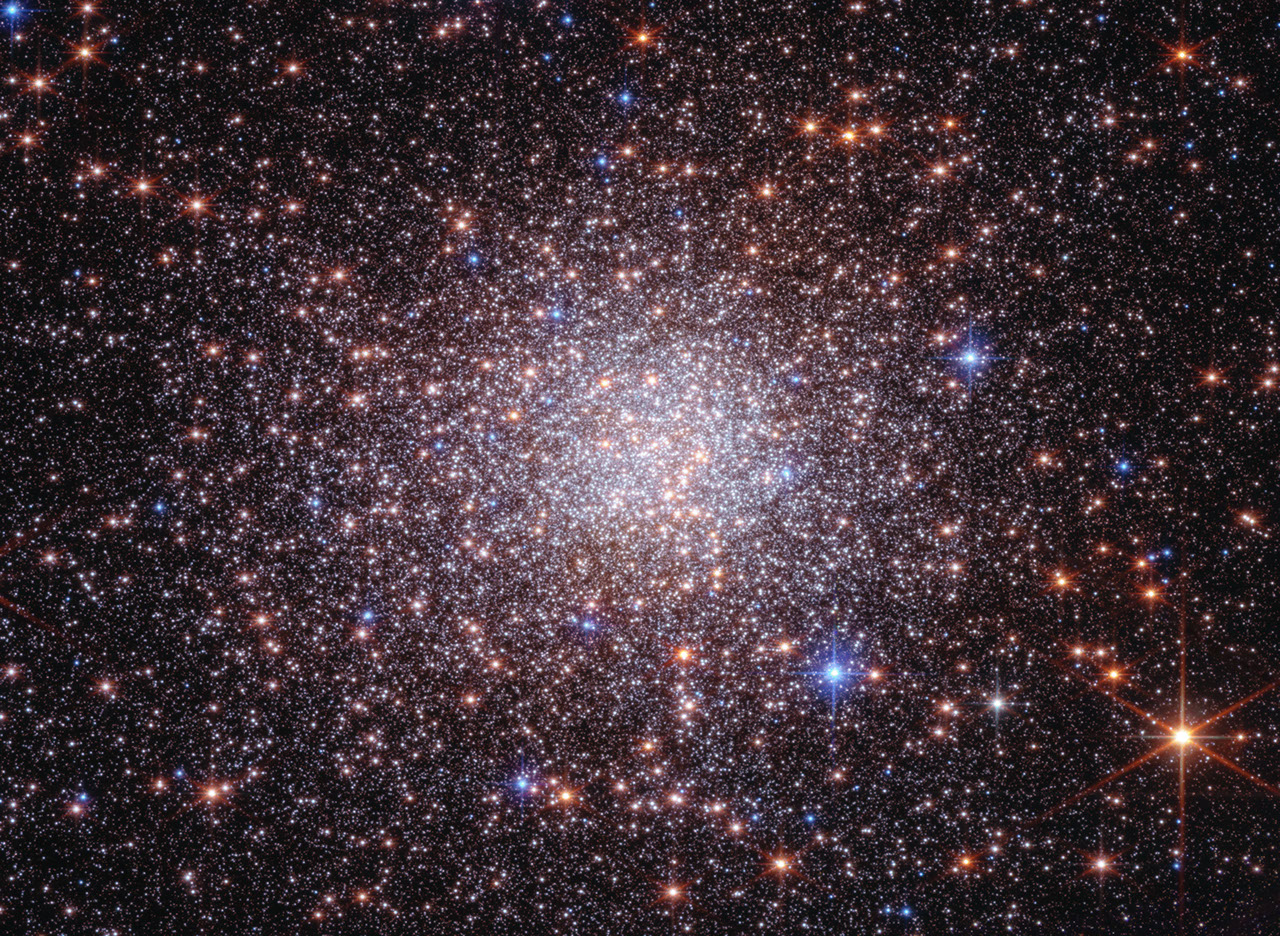
NASA's Webb and Hubble Telescopes Reveal Terzan 5 Is Not a Globular Cluster, Offering New Galaxy Formation Insights
Researchers using NASA's James Webb and Hubble Space Telescopes have reclassified Terzan 5, previously thought to be a globular star cluster
science.nasa.gov·16d ago
Astronomers Pinpoint Edge of Milky Way's Star-Forming Disk at 40,000 Light-Years
Astronomers have identified the edge of the Milky Way's star-forming disk for the first time, determining that star formation is concentrate
 skyandtelescope.org·2mo ago
Comments
Sign in to join the conversation.
No comments yet. Be the first.