
























Methodology behind a longitudinal study of how couples meet and stay together
By
The Pudding
Summary
This article describes the methodology behind a data-driven story about relationships, based on the "How Couples Meet and Stay Together" survey conducted in 2017, 2020, and 2022. The researchers used weighted analysis to ensure representative results, with icon visualizations representing participants surveyed across all three waves. The piece tracks over 1,000 people through the ups and downs of their relationships.
Source
 Hacker NewsMethodology behind a longitudinal study of how couples meet and stay togetherpudding.cool
Key quotes
· 3 pulledThe data for this story is from How Couples Meet and Stay Together, which surveyed Americans in 2017, 2020, and 2022.
To get a representative analysis, the researchers weighted each respondent based on demographic characteristics.
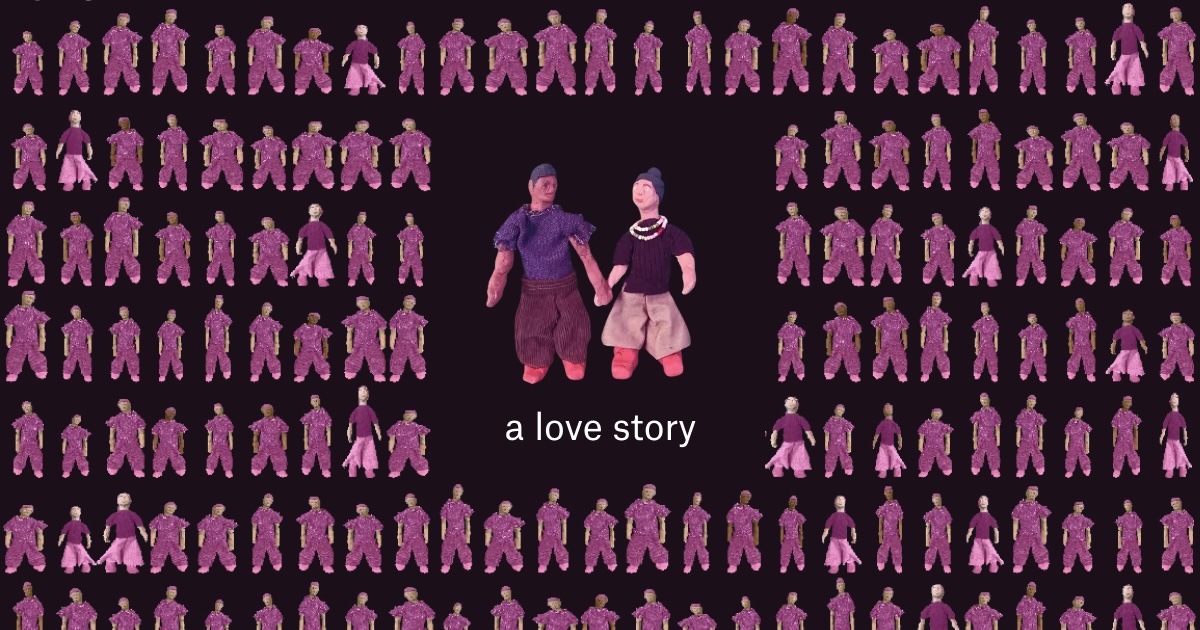
All of the icon visualizations in this piece reflect the general results of a weighted analysis, but the exact numbers may differ.
You might also wanna read


How Sleeping Positions Reveal Insights About Your Relationship Health
This article explores how couples' sleeping positions can reveal insights about their relationship dynamics, emotional connection, and bond.

Danish Cohort Study Reveals Age-Related Patterns in Mental Disorder Development Across 273,000 Individuals
This nationwide Danish cohort study analyzed 273,400 individuals over 2.1 million person-years to examine how sex, age, and diagnosis at fir
 doi.org·8d ago
University of Michigan survey examines parental smartphone tracking of adult children ages 18-25 and its impact on development
A University of Michigan survey reveals that many parents use smartphone tracking technology, including "always on" location tracking, to mo
 opb.org·9d ago
Qualitative study examines benefits and challenges of patient-led conferences in healthcare research
This qualitative study explores the benefits, challenges, and support needs of patient partners leading a patient-led conference called "For
 bmjopen.bmj.com·18d ago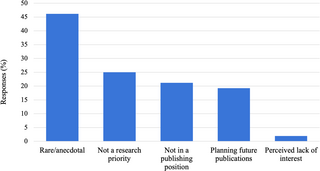
Expert survey reveals widespread underreporting of same-sex sexual behaviour in mammals due to publishing bias
A cross-sectional expert survey on same-sex sexual behaviour (SSSB) in mammals reveals a significant gap between observed behaviour and publ
 journals.plos.org·4d ago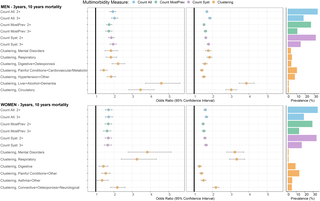
UK Biobank study compares count-based and clustering definitions of multimorbidity and their association with prevalence, health profiles, and mortality
This cohort study using UK Biobank data (n=474,397) compares different definitions of multimorbidity—count-based approaches (using various c
 plos.io·10d ago
Comments
Sign in to join the conversation.
No comments yet. Be the first.