
























300,000-Year-Old Acheulo-Yabrudian Cave Site with Fire Evidence Discovered in Northern Israel
By
Jessica Esther Saraceni
Summary
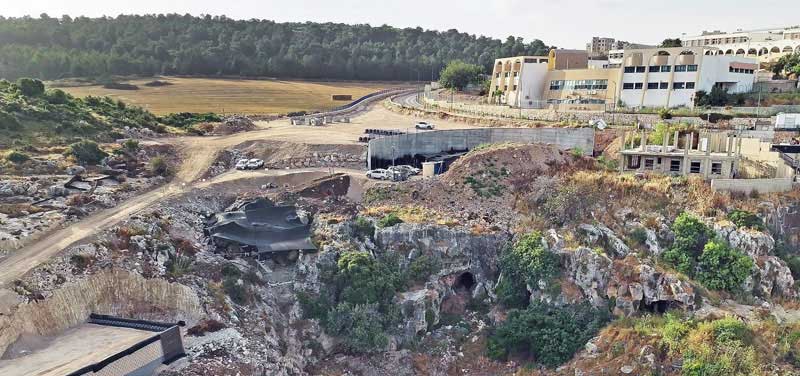
Archaeologists from the Israel Antiquities Authority and the University of Haifa have discovered flint tools (scrapers and handaxes), animal bones (fallow deer, gazelle, ancient horses), and evidence of controlled fire use dating back 300,000 years in Fureidis Cave, northern Israel. The site was occupied by the Acheulo-Yabrudian culture, predating Neanderthals and modern humans in the region.
Source
 Hacker News300,000-Year-Old Acheulo-Yabrudian Cave Site with Fire Evidence Discovered in Northern Israelarchaeology.org
Key quotes
· 2 pulledFlint scrapers and handaxes; the bones of fallow deer, gazelle, and ancient horses; and evidence for the controlled use of fire some 300,000 years ago have been discovered in northern Israel's Fureidis Cave
The well-preserved site was occupied by members of the Acheulo-Yabrudian culture, before the arrival of Neanderthals and modern humans
You might also wanna read

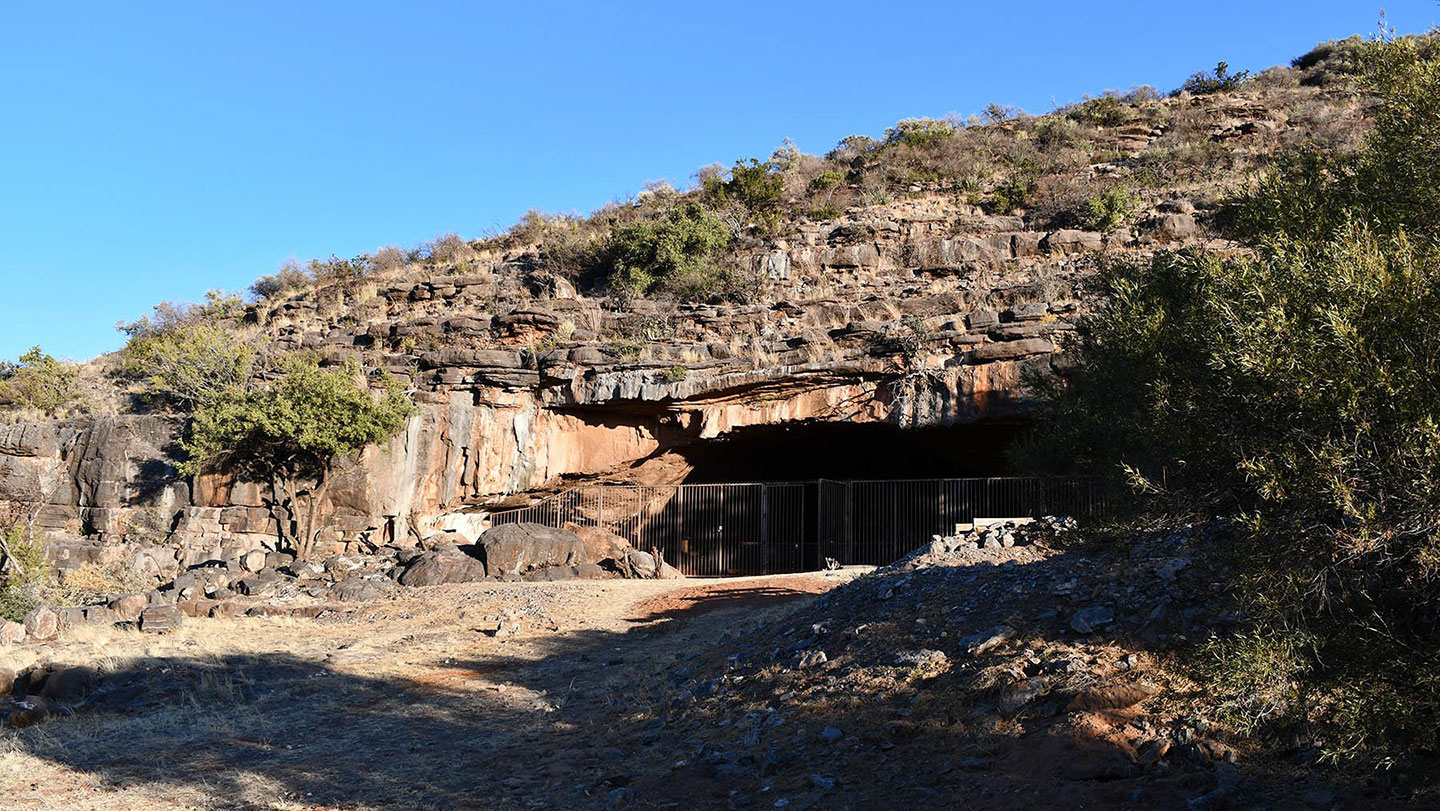
New evidence pushes back earliest known human fire use to 1.8 million years ago
Archaeologists have discovered evidence of controlled fire use by Homo erectus at Wonderwork Cave in South Africa, dating back up to 1.8 mil
 sciencenews.org·7d ago
New evidence pushes back earliest known human fire use to 1.8 million years ago
Archaeologists have discovered evidence of controlled fire use by Homo erectus at Wonderwork Cave in South Africa, dating back up to 1.8 mil
sciencenews.org·7d ago
Early humans were bringing fire into caves 1.8 million years ago
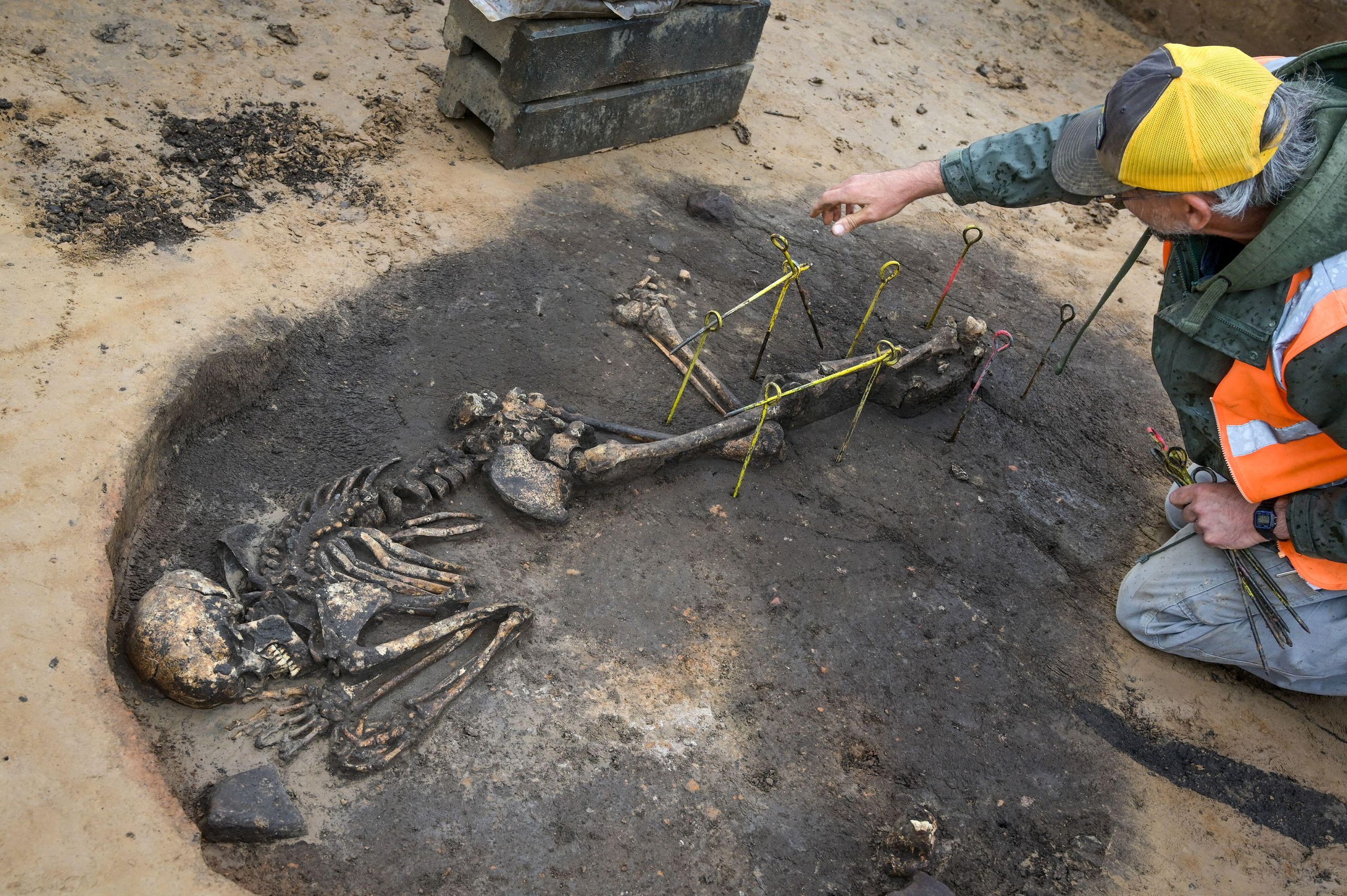
5,000-year-old injured man found buried in abandoned kiln in Germany, possibly a human sacrifice
Archaeologists in Germany discovered a 5,000-year-old burial of an injured man from the Corded Ware culture who was thrown into an abandoned
 livescience.com·18d ago
Ancient protein analysis reveals all 20 Homo naledi skeletons in South African cave were female
Scientists analyzing ancient proteins from tooth enamel of 20 Homo naledi individuals found in the Rising Star Cave system in South Africa d
 science.org·9d ago
Ancient protein analysis reveals all 20 Homo naledi skeletons in South African cave were female, deepening mystery
Scientists analyzing ancient proteins from tooth enamel of 20 Homo naledi individuals found in the Rising Star Cave system in South Africa d
 scim.ag·6d ago
Ancient protein analysis reveals all 20 Homo naledi skeletons in South African cave were female, deepening mystery
Scientists analyzing ancient proteins from tooth enamel of 20 Homo naledi individuals found in the Rising Star Cave system in South Africa d
scim.ag·6d ago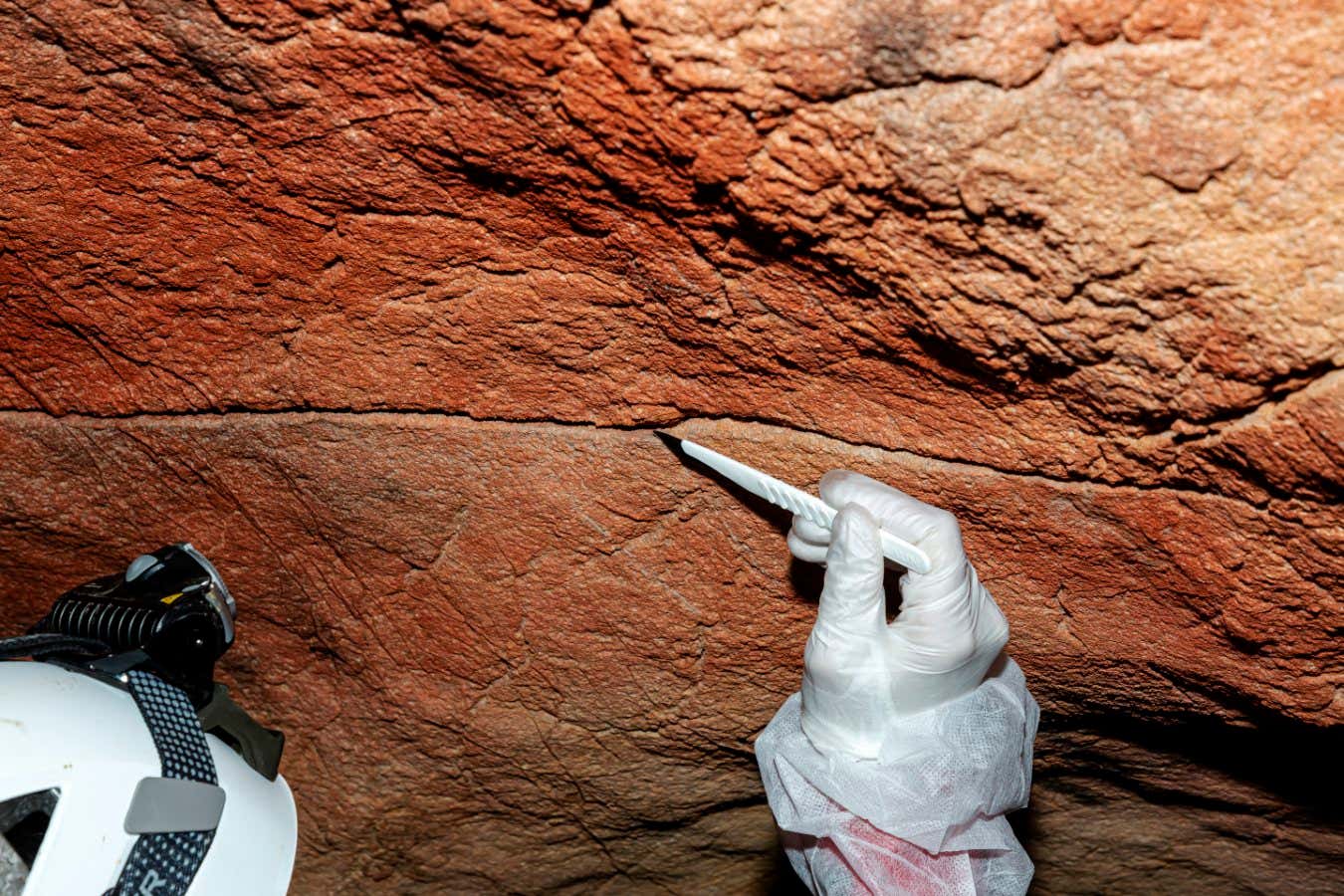
Ancient human DNA extracted from cave paintings for the first time, study finds
Researchers from the First Art project have successfully extracted ancient human DNA from cave paintings and cave walls in Spain and Portuga
 newscientist.com·6d ago
Comments
Sign in to join the conversation.
No comments yet. Be the first.