
























Ancient human DNA extracted from cave paintings for the first time, study finds
By
Alison George
Summary
Researchers from the First Art project have successfully extracted ancient human DNA from cave paintings and cave walls in Spain and Portugal, dating back thousands of years. This breakthrough opens the possibility of identifying individual prehistoric artists and potentially resolving the long-standing debate about whether Neanderthals created cave art. The study, conducted between 2022 and 2025, demonstrates that DNA can survive on rock art surfaces for millennia, offering a new tool for understanding prehistoric human culture and artistic expression.
Source
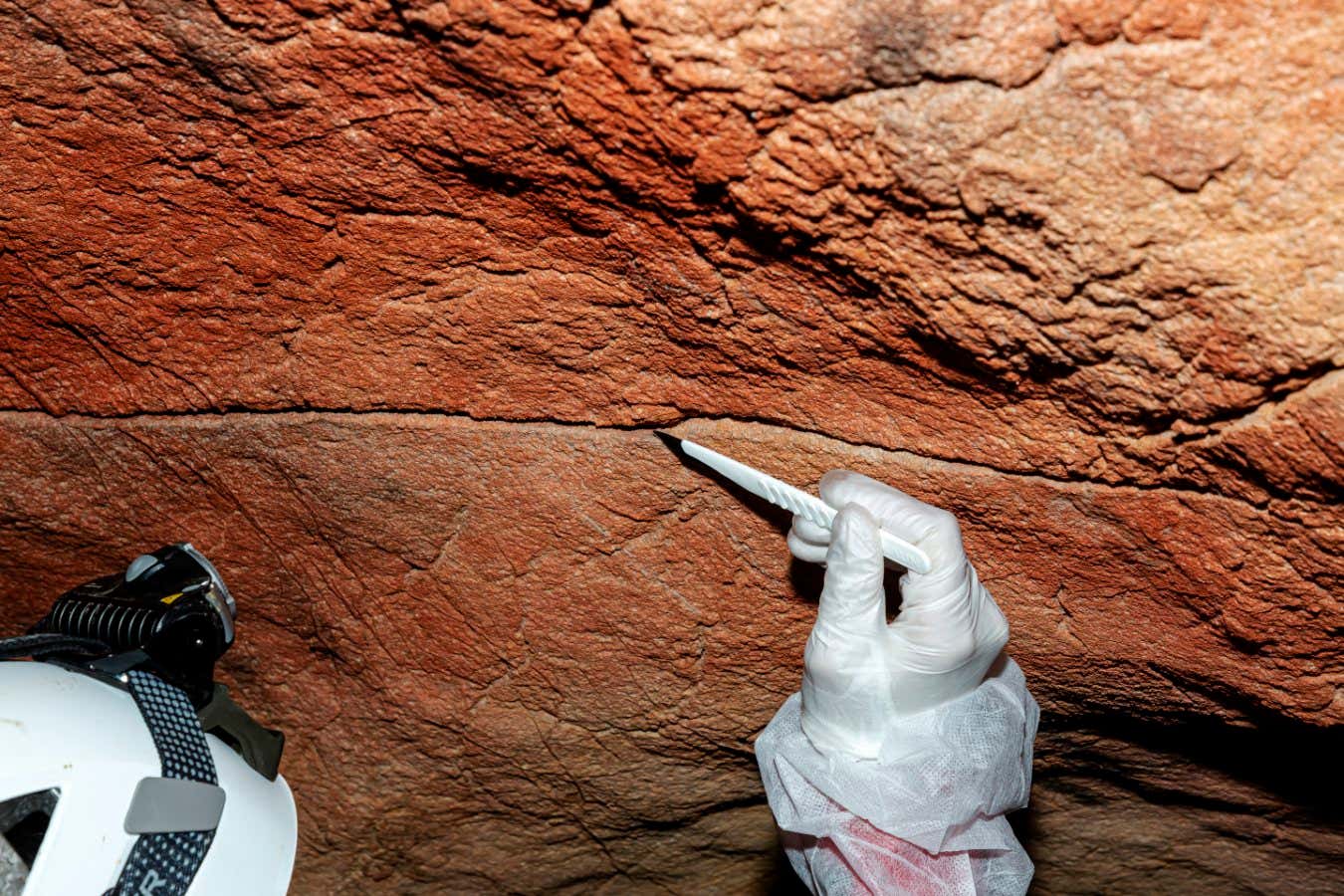
 Twitter / XAncient human DNA extracted from cave paintings for the first time, study findsnewscientist.com
Key quotes
· 2 pulledIt's the start of a new era.
This gives us the potential to meet the actual artists, the individual who did this art. It's extraordinary.
You might also wanna read


Proteins from 400,000-year-old Homo erectus teeth reveal genetic links to Denisovans and modern humans
A new study published in Nature reveals that researchers have successfully extracted and analyzed proteins from the enamel of six Homo erect
 doi.org·10d ago
Genetic analysis of Homo naledi skeletons reveals all known specimens are female, puzzling researchers
Archaeologists have conducted the first genetic analysis of Homo naledi, a 300,000-year-old hominin species discovered in South Africa's Ris
 livescience.com·4d ago
Ancient protein analysis reveals all 20 Homo naledi skeletons in South African cave were female
Scientists analyzing ancient proteins from tooth enamel of 20 Homo naledi individuals found in the Rising Star Cave system in South Africa d
 science.org·3d ago
17,100-year-old rock art in Gower's Bacon Hole cave confirmed as Britain's earliest prehistoric engravings
Rock art discovered in 1912 in Bacon Hole cave on the Gower Peninsula, Wales, has been confirmed as Britain's earliest known prehistoric art
 bbc.co.uk·27d ago
David Reich's Genetics Lab Rewrites Human History Through Ancient DNA Analysis
The article profiles David Reich's ancient genetics lab at Harvard Medical School, which is revolutionizing our understanding of human histo
 laphamsquarterly.org·10mo ago
Archaeologists Reconstruct Face of 75,000-Year-Old Female Neanderthal from Iraqi Cave Burial Site
Archaeologists have reconstructed the face of a 75,000-year-old female Neanderthal named Shanidar Z, whose skull was discovered in a cave in
 cam.ac.uk·3mo ago
Comments
Sign in to join the conversation.
No comments yet. Be the first.