
























 Baker's Take
Tooth protein study shows all Homo naledi in Rising Star Cave were female, deepening burial mystery

By
Mr Bagel
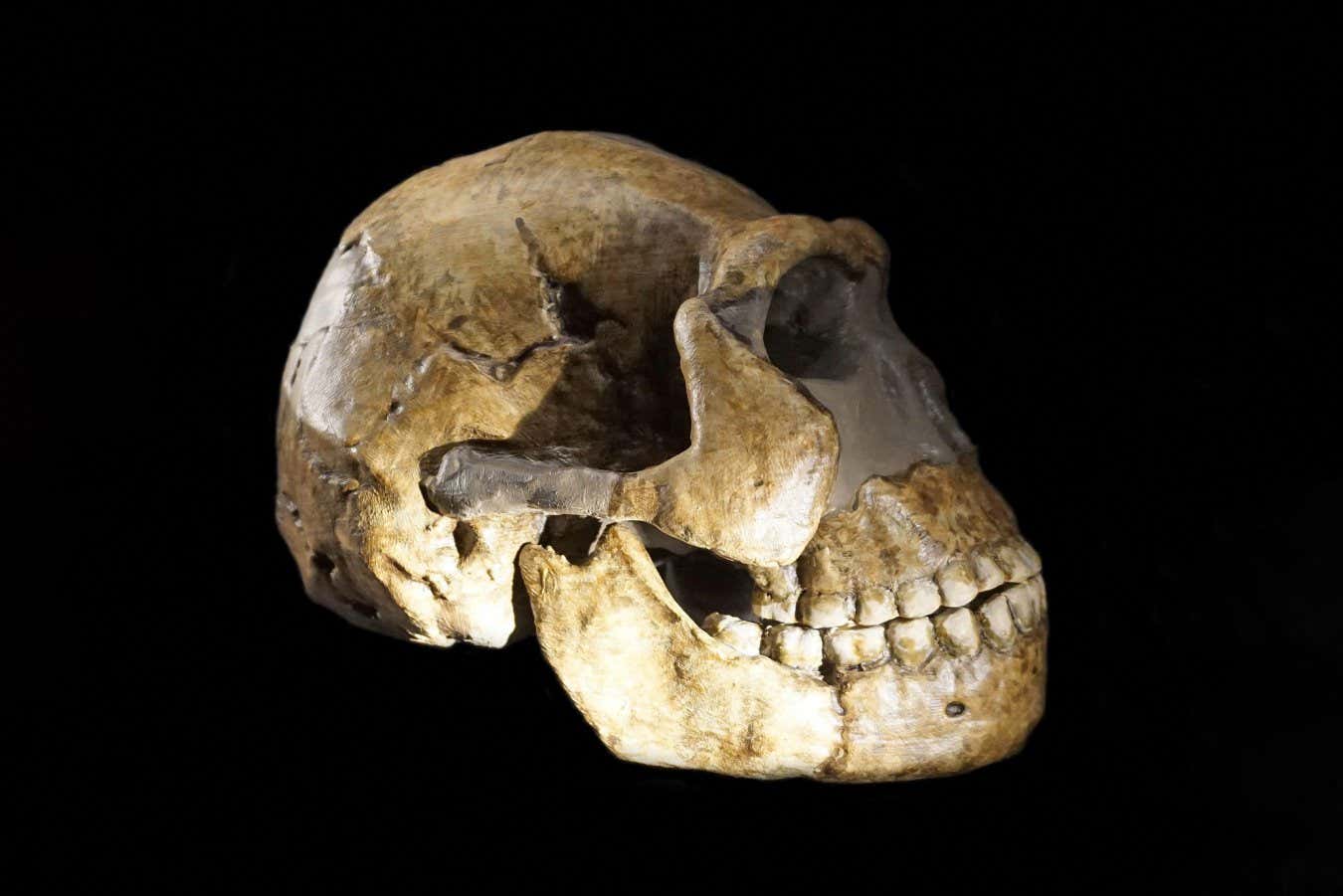
Ancient protein analysis of tooth enamel from Homo naledi skeletons found in South Africa's Rising Star Cave system has revealed that all of them were female, challenging assumptions about the social structure and behavior of this small-brained ancient hominin. Science.org reported that the analysis covered 20 individuals, while NewScientist.com noted that 23 skeletons were tested, with none showing male-specific molecular markers.

The skeletons date to between 241,000 and 335,000 years ago, according to science.org, and were found deep inside a remote cave chamber that would have been difficult to access. The absence of any males among the specimens raises new questions about how and why these individuals ended up there, suggesting either a deliberate selection process or a cultural practice unknown in other hominin species.
"deepening the mystery of how these small-brained ancient human relatives came to rest deep inside the cave"
Science.org described the finding as deepening the mystery of how these hominins came to rest in such a remote location, leaving researchers to speculate about social structures or ritual behavior that might explain the all-female assemblage.
"strengthens the hypothesis that the bodies were deliberately placed in the deep, hard-to-access cave chambers, a possible intentional burial practice"
NewScientist.com reported that the result strengthens the hypothesis of deliberate placement, possibly as an intentional burial practice. This would be significant for a species with a brain size roughly one-third that of modern humans, suggesting complex social behaviors previously thought unique to later hominins.
Both sources agree that the finding, made 13 years after the initial 2013 discovery, provides new evidence about Homo naledi's behavior and social organization. The complete absence of males in the chamber remains unexplained, but it points to a selective process, whether cultural, environmental, or funerary, that scientists are only beginning to unravel.
The reporting
2 outlets covered this story. Each links to the original.

Comments
Sign in to join the conversation.
No comments yet. Be the first.