 Shared by @cultofmac.com ↗
 cultofmac.com1h ago
 Shared by @marketwire.bsky.social ↗
 seekingalpha.com1h ago
 Shared by @macon.com ↗
 bit.ly1h ago
IBM has announced the world's first sub-1 nanometer chip technology, a 0.7 nm (7 angstrom) node prototype that crams nearly 100 billion transistors onto a fingernail-sized die, according to multiple reports from Gizmodo, The Register, and others. The chip nearly doubles the transistor density of IBM's previous 2-nanometer chip from 2021, marking a significant leap in semiconductor capabilities. The breakthrough relies on a novel 'nanostack' architecture that stacks transistors vertically in two bonded layers, rather than shrinking them horizontally, as detailed by bitcoin.com and IBM's own newsroom. This 3D approach allows more transistors per square millimeter, potentially pushing past the physical limits of traditional chip scaling. "This achievement represents a major milestone for the semiconductor industry, which has been approaching the physical limits of traditional chip scaling." IBM has mapped a path down to 0.1 nm (1 Angstrom) and expects commercial chips using this process to reach markets within five years, The Register reported. The company positions the technology as revolutionary for the AI boom, demonstrating that performance and efficiency gains remain achievable, according to The National News. The prototype promises 70% better energy efficiency, extending Moore's Law beyond current silicon limits, bitcoin.com reported. While still years away from mass production, IBM's innovation is seen as a way to propel the industry forward for the next decade, enabling more powerful and energy-efficient processors for everything from household devices to telecommunications and AI workloads.

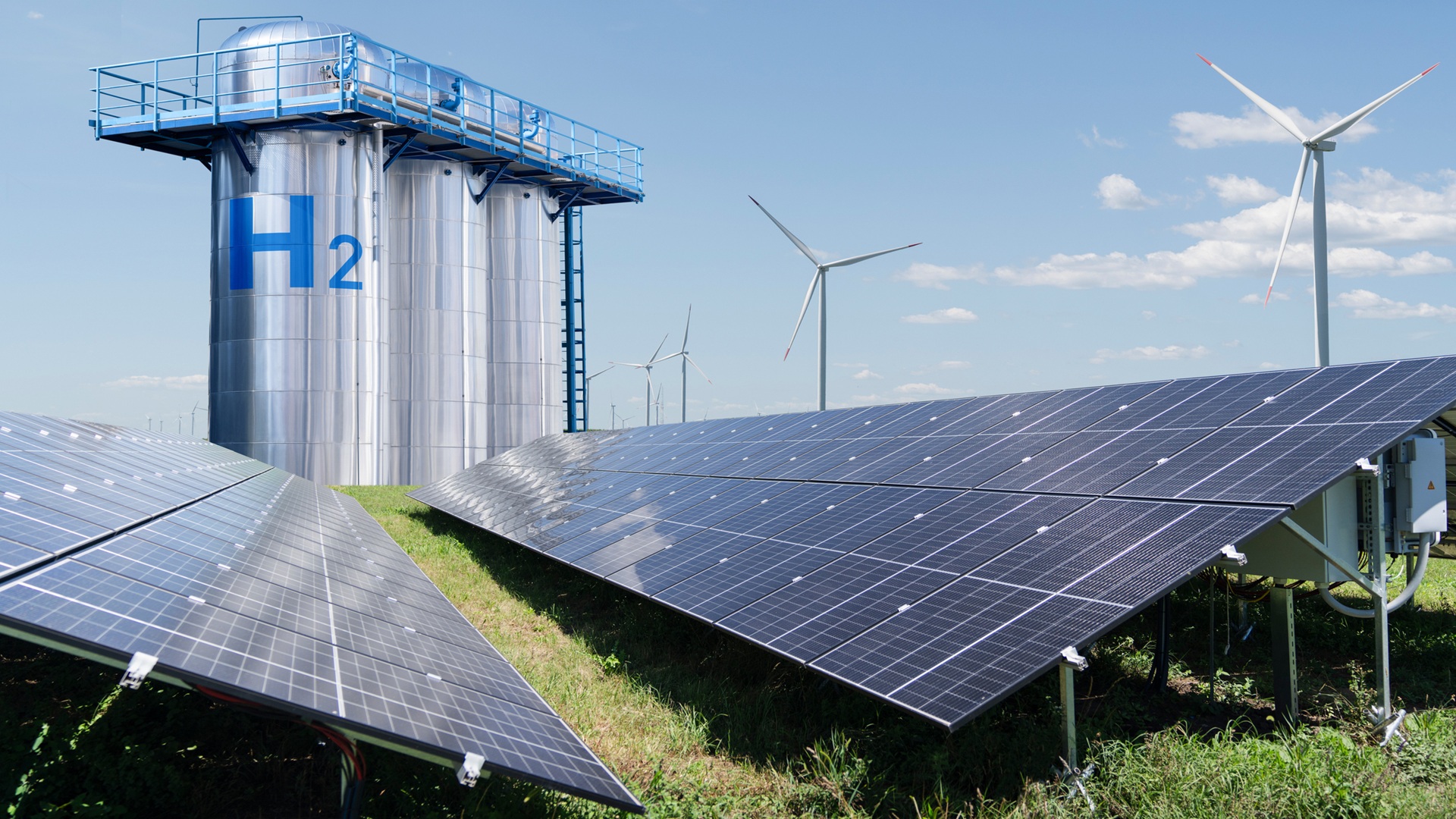
Researchers at Fraunhofer ISE have achieved a record 31.3% solar-to-hydrogen efficiency using a new module that directly couples concentrating solar cells with PEM electrolysis. The integrated design eliminates the need for intermediate power conversion, enabling direct water spl
 interestingengineering.com·Tech by Flipboard·1h ago·3 min read
This editorial argues that Taiwan must proactively manage its electricity supply to prevent power constraints from hindering economic growth, especially given the rapidly increasing energy consumption from semiconductor factories, AI data centers, and supercomputers. It highlight
 taipeitimes.com·Tech by Flipboard·1h ago·4 min read
 Shared by @marketwire.bsky.social ↗
 financialpost.com1h ago
 Shared by @dseguy.bsky.social ↗
 exakat.io1h ago
 Shared by @truthphoenix.bsky.social ↗
 tomshardware.com1h ago
 Shared by @geforce-jacobf.bsky.social ↗
 tomsguide.com1h ago
 Shared by @truthphoenix.bsky.social ↗tomshardware.com1h ago
 Shared by @mmeadway.bsky.social ↗
 ecoportal.net1h ago
 Shared by @gigowat.bsky.social ↗
 9to5mac.com1h ago
 Shared by @inventingreality.bsky.social ↗
 hollywoodreporter.com1h ago
 Shared by @earhart.bsky.social ↗
 share.google1h ago
 Shared by @neowin.net ↗
 neowin.net1h ago