
























Meta releases non-invasive brain-computer interface that reads thoughts through magnetic fields
By
Jowi Morales
Summary
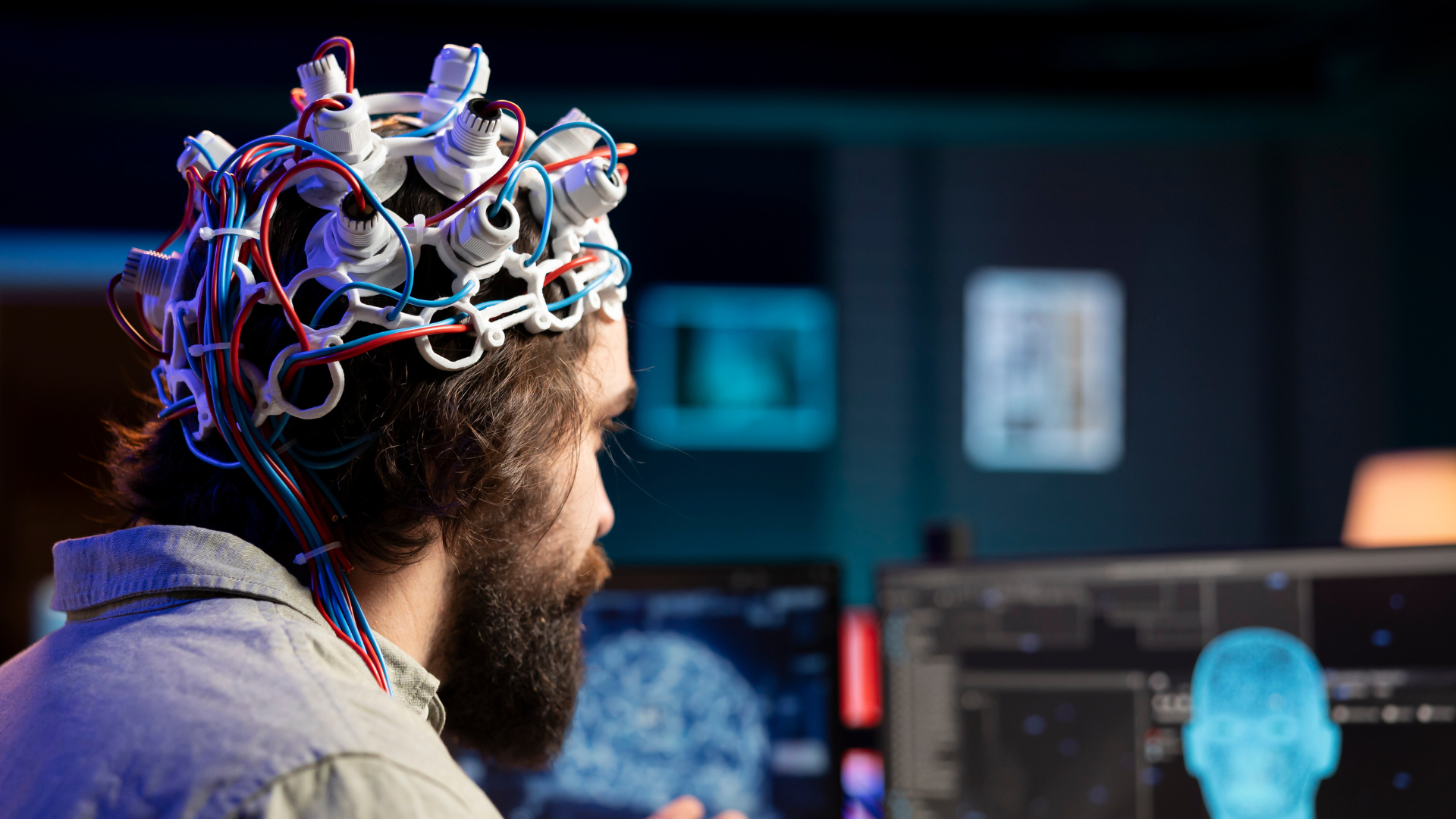
Meta has released version two of its Brain2Qwerty brain-computer interface, which uses a non-invasive magnetoencephalography (MEG) scanner to detect brain activity and translate thoughts into keypresses. Unlike Neuralink and other BCIs that require invasive surgery to implant sensors, Meta's system reads faint magnetic field changes from brain activity externally. This "thinking cap" approach could allow patients with mobility loss to control computers without undergoing surgery.
Source
 bskyMeta releases non-invasive brain-computer interface that reads thoughts through magnetic fieldstomshardware.com
Key quotes
· 2 pulledInstead of relying on implants, this system uses a non-invasive magnetoencephalography (MEG) scanner to read the faint changes in a brain's magnetic fields due to brain activity and then correlate this
This 'thinking cap' could let patients use a BCI without needing to go under the knife.
You might also wanna read

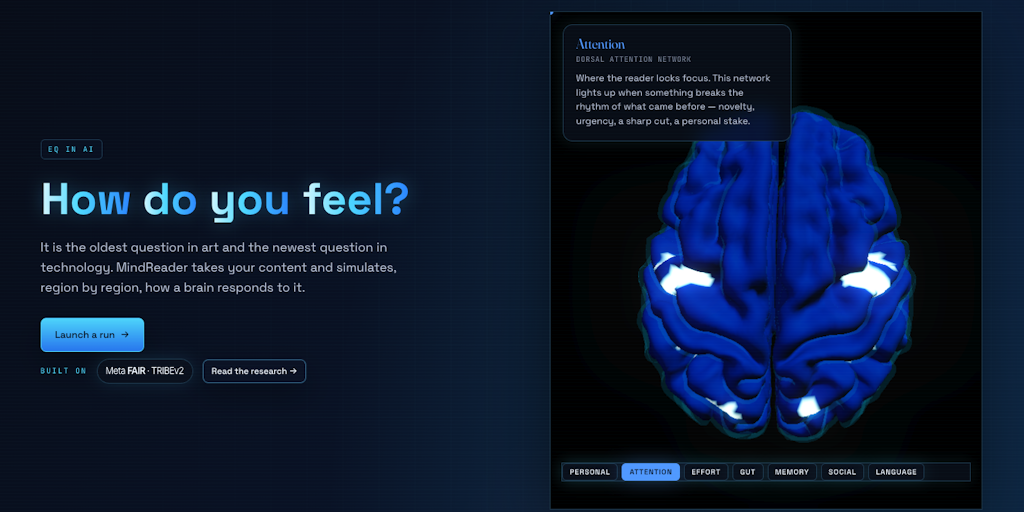
MindReader: Open-source tool simulates brain responses to content using Meta's TRIBE v2 fMRI model
MindReader is an open-source tool that uses Meta FAIR's TRIBE v2 model (trained on ~1,000 hours of real fMRI scans across 720 subjects) to s
 Product Hunt·18d ago
Pinnacle: AI App Uses iPhone Sensors to Measure and Train Brain Performance
Pinnacle is an AI-powered mobile application that uses iPhone sensors to measure brain activity and provides conversational training to impr
Product Hunt·4mo ago
Meta Introduces Neural Band Technology for Ray-Ban Smart Glasses Control
Meta has introduced a new evolution of its Ray-Ban smart glasses featuring an in-lens display and a revolutionary Meta Neural Band wristband
Product Hunt·1mo ago
MIT's AlterEgo: A Non-Invasive Wearable That Reads Silent Speech for AI Interaction
MIT has developed AlterEgo, a non-invasive wearable device that uses "Silent Sense" technology to detect intended speech without the user ne
 alterego.io·9mo ago
MIT Study: Neural and Behavioral Effects of AI-Assisted Essay Writing Using EEG
This MIT Media Lab study examines the neural and behavioral effects of using AI assistants like ChatGPT for essay writing. Researchers divid
 media.mit.edu·5mo ago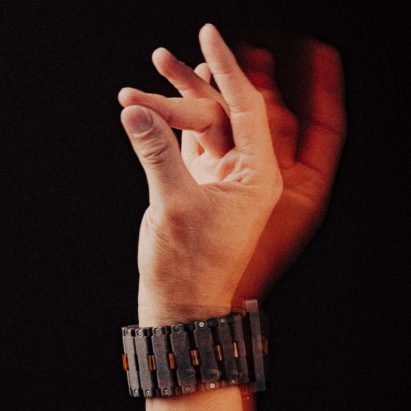
Meta develops wristband using muscle-reading tech to replace keyboard and mouse
Meta has developed a gesture-sensing wristband prototype that uses surface electromyography (sEMG) to read muscle movements at the wrist, en
 Dezeen·11mo ago
Comments
Sign in to join the conversation.
No comments yet. Be the first.