 Shared by @l422y.com ↗
 theregister.com28m ago
 Shared by @undercode.bsky.social ↗
 undercodetesting.com28m ago
 Shared by @gigowat.bsky.social ↗
 windowscentral.com29m ago
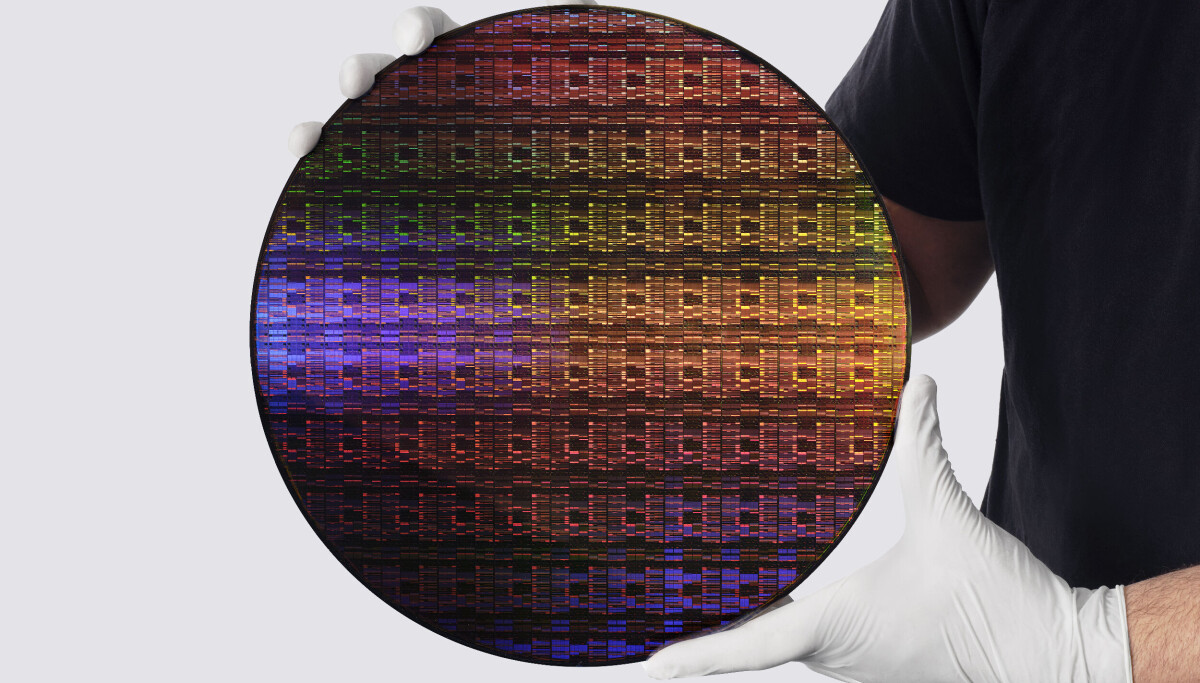
IBM has announced a major breakthrough in semiconductor technology, unveiling a sub-1 nanometer chip that packs nearly 100 billion transistors into an area the size of a fingernail. The transistor features are smaller than a DNA strand at 2.5 nanometers, though the architecture itself is built at the 0.7 nm (7 angstrom) node, according to Gizmodo. This new chip offers nearly twice the density of IBM's previous 2-nanometer chip from 2021. "IBM has announced the world's first sub-1 nanometer chip technology, featuring a revolutionary transistor architecture at the 0.7 nm (7 angstrom) node." Instead of shrinking transistors horizontally, IBM's design stacks them vertically using a novel approach. Hacker News reported that the company uses a "nanostack" 3D chip architecture, which allows more transistors per square millimeter and marks a major milestone as the industry approaches the physical limits of traditional scaling. The Register noted that IBM has also mapped a path down to 0.1 nm (1 angstrom) and expects commercial chips using the 0.7 nm process to reach markets within five years. The publication quoted the company as having "mapped a path down to 0.1 nm (1 Angstrom)," though the technology remains years away from mass production. "cram nearly 100 billion transistors onto a fingernail-sized die, almost double the density of its 2021 2 nm technology." IBM's achievement positions the company as a leader in advanced semiconductor research, promising more powerful and energy-efficient processors for the next decade. While the chip is still in the research phase, its vertical stacking and extreme density could redefine computing performance when it eventually reaches consumers.

SentinelLabs has discovered a North Korea-linked macOS backdoor (tracked as macOS.Gaslight) that uses a novel evasion technique: instead of trying to hide from sandbox analysis, it injects 38 fabricated system messages designed to poison and derail AI-assisted malware triage tool
 infosecurity-magazine.com·Tech by Flipboard·30m ago·3 min read
Polestar, the Chinese-owned electric vehicle brand under Geely Group, is withdrawing from the US market after being banned from selling new model variants due to concerns over data collection and connectivity in its vehicles. The Biden administration's restrictions target connect
 heise.de·Tech by Flipboard·31m ago·4 min read

 Shared by @aunz.theconversation.com ↗
 theconversation.com33m ago
 Shared by @victorshammas.com ↗
 aljazeera.com33m ago
 Shared by @stitch.selfhosted.social ↗
 tangled.sh33m ago
 Shared by @tedichasse.bsky.social ↗
 windowslatest.com33m ago
 Shared by @keldrim.bsky.social ↗
 suse.com34m ago
 Shared by @centredaily.com ↗
 bit.ly35m ago
 Shared by @businessinsider.com ↗
 businessinsider.com52m ago
 Shared by @physicsworld.bsky.social ↗
 aditya.patadia.org1h ago
 Shared by @4gottenfuturist.bsky.social ↗
 macrumors.com1h ago