Traditional fixed-depth architectures scale quality by increasing training FLOPs, typically through increased parameterization, at the expense of a higher memory footprint, or data. A potential alternative is looped architectures, which instead increase F
 Shared by @realDanFu ↗
 arxiv.org18h ago
 Shared by @QuixiAI ↗
 github.com20h ago
Large language models (LLMs) are widely used but expensive to run, especially as inference workloads grow. To lower costs, maximizing the request batch size by managing GPU memory efficiently is crucial. While PagedAttention has recently been proposed to
 Shared by @vllm_project ↗arxiv.org20h ago
Generative Flow Networks (GFlowNets) offer a promising alternative to reward-maximizing reinforcement learning (RL) for large reasoning models, encouraging diverse reasoning paths by matching reward distributions rather than collapsing to dominant modes.
arxiv.org·Twitter AI·1d ago·2 min read.admonition { margin: .75em 0; padding: .6rem; overflow: hidden; font-size: 12px; page-break-inside: avoid; border-left: .3rem solid #42b983; border-radius: .3rem; box-shadow: 0 0.1re
 blog.lyc8503.net·Hacker News: Front Page·1d ago·13 min read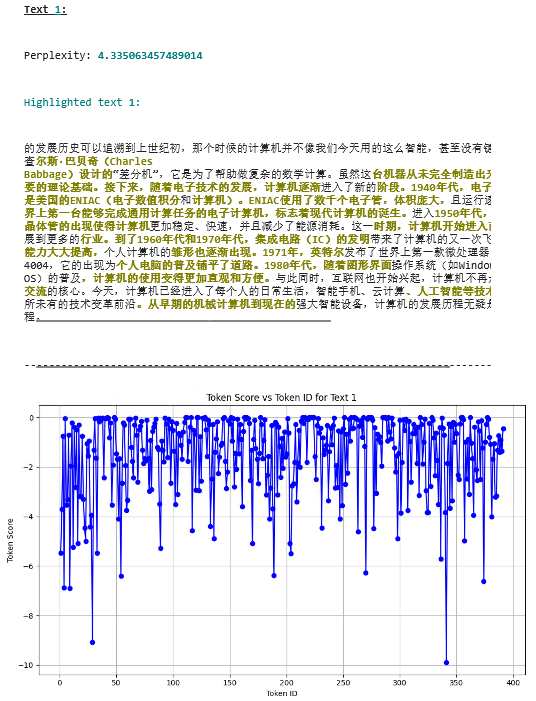
When a data contributor requests removal, model trainers face a practical gap: unlearning algorithms require a forget set, yet no tool can locate which training records belong to a given author. Existing provenance systems operate at file or dataset level
 Shared by @arxiv-daily-bot.bsky.social ↗arxiv.org1d ago
 Shared by @gp_pulipaka ↗
 geni.us1d ago
Failure attribution for LLM-based agentic systems, i.e., identifying which steps in a failure trajectory caused the task to fail, is critical for debugging and improving these systems. Existing approaches either rely on prompting-based pipelines, which ar
 Shared by @omarsar0 ↗arxiv.org1d ago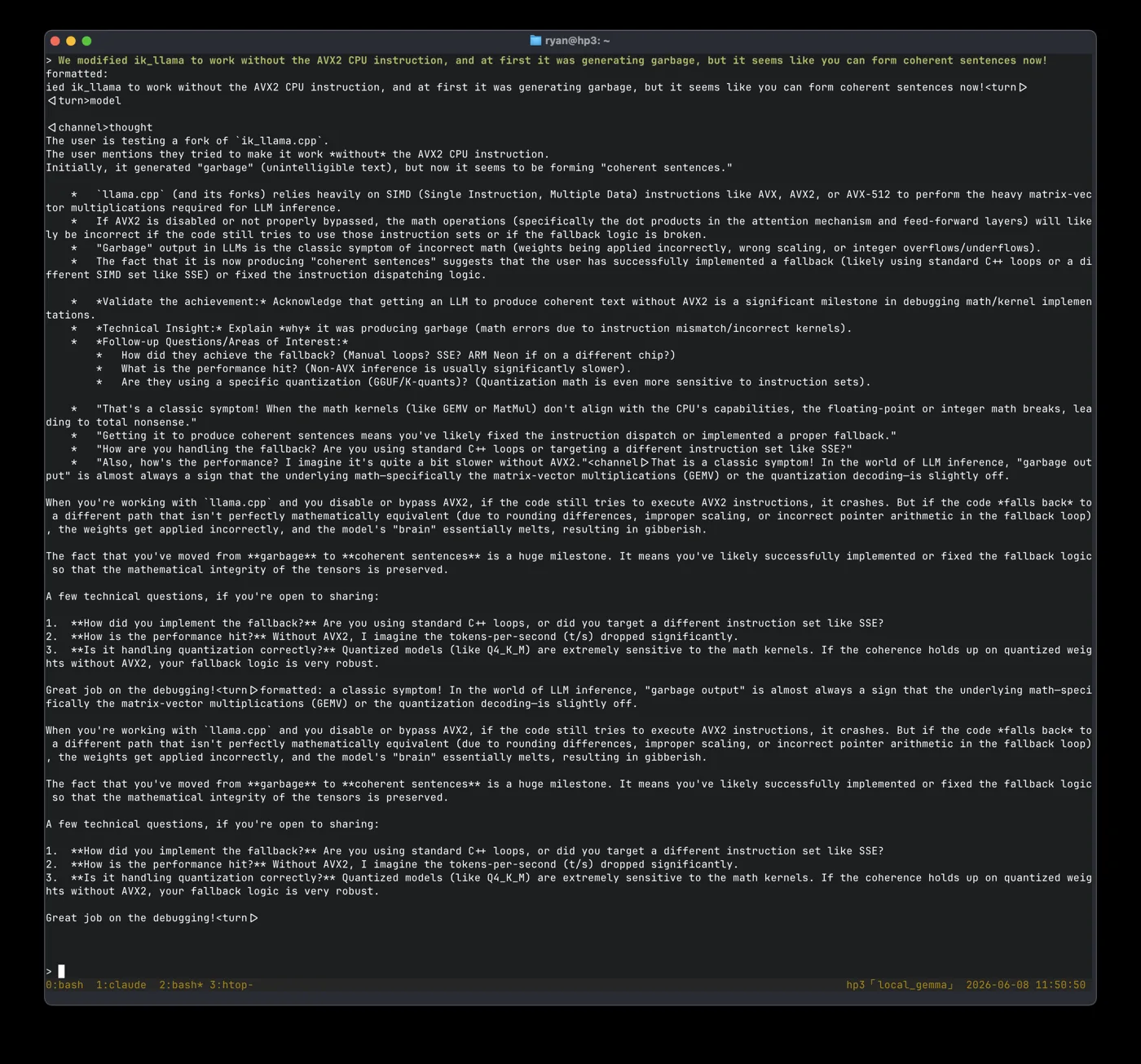
 neomindlabs.com2d ago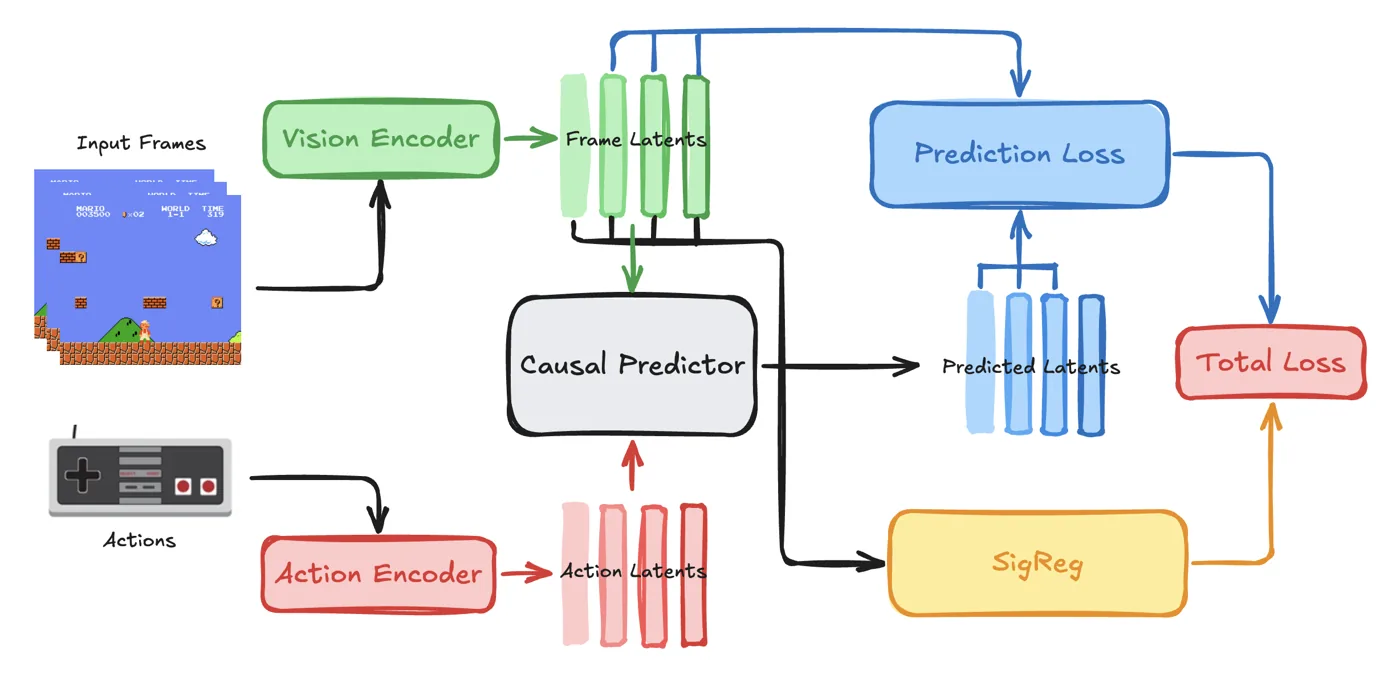

 Shared by @UnslothAI ↗
 unsloth.ai3d ago
 docs.pasteurlabs.ai3d ago
 normaltech.ai3d ago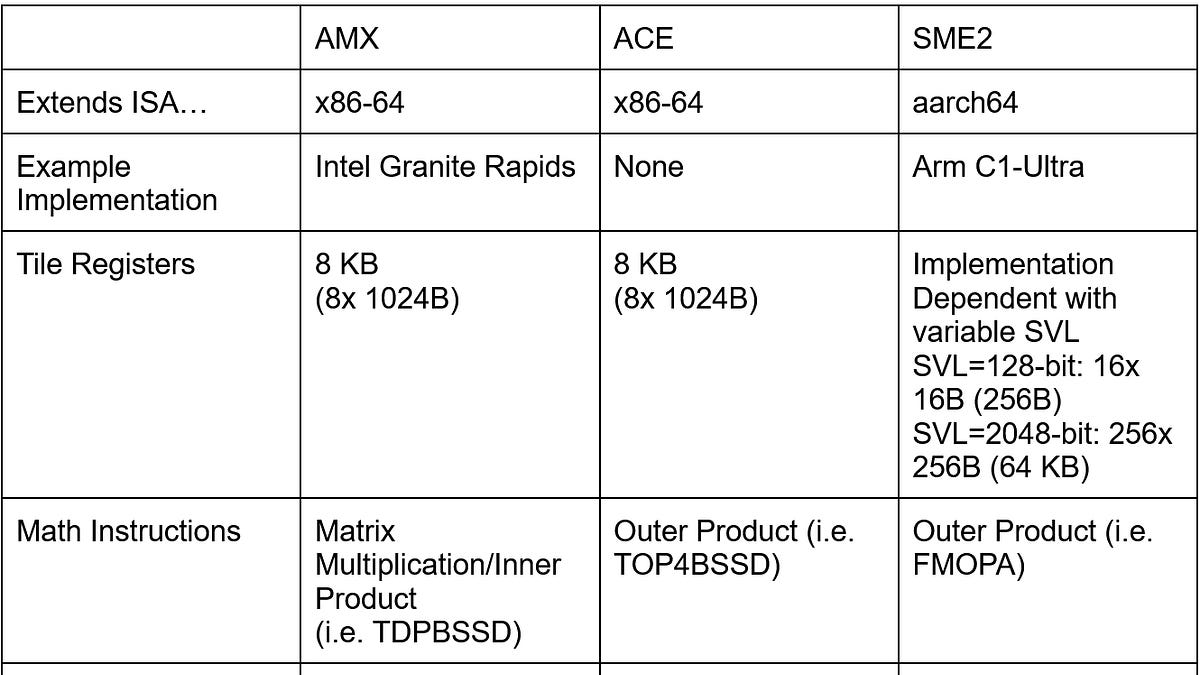
 chipsandcheese.com3d ago
 Shared by @arstechnica.com ↗
 Ars Technica - All content4d ago