
 Shared by @QuixiAI ↗
 github.com6h ago
Large language models (LLMs) are widely used but expensive to run, especially as inference workloads grow. To lower costs, maximizing the request batch size by managing GPU memory efficiently is crucial. While PagedAttention has recently been proposed to
 Shared by @vllm_project ↗
 arxiv.org6h ago
Generative Flow Networks (GFlowNets) offer a promising alternative to reward-maximizing reinforcement learning (RL) for large reasoning models, encouraging diverse reasoning paths by matching reward distributions rather than collapsing to dominant modes.
 Shared by @dair_ai ↗arxiv.org12h ago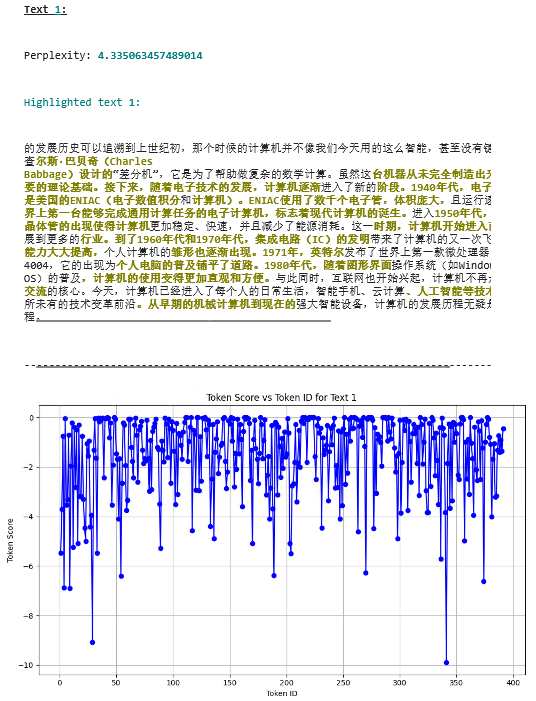
.admonition { margin: .75em 0; padding: .6rem; overflow: hidden; font-size: 12px; page-break-inside: avoid; border-left: .3rem solid #42b983; border-radius: .3rem; box-shadow: 0 0.1re
 blog.lyc8503.net·Hacker News: Front Page·13h ago·13 min read
Large language models (LLMs) have achieved remarkable success but raise growing concerns about content provenance and misuse, motivating the need for reliable watermarking techniques. However, these techniques have rarely been adopted in practice mainly f
arxiv.org·Tech by Flipboard·13h ago·2 min read
 neomindlabs.com1d ago

 Shared by @UnslothAI ↗
 unsloth.ai2d ago
 docs.pasteurlabs.ai2d ago
 normaltech.ai3d ago
 Shared by @arstechnica.com ↗
 Ars Technica - All content3d ago
 Shared by @ylecun ↗
 polymathic-ai.org4d ago
 nanduruganesh.github.io4d ago
 docs.jax.dev4d ago