"Stressful": SC urges Centre against introducing third language in Class 9›via bignewsnetwork.com
More on this topic3 sources · 3 articles

 mmapped.blog5d ago
 Shared by @rklen.com ↗
 civilbeat.org7d ago
 Shared by @mass-driver.com ↗
 mass-driver.com10d ago
En 2015 se hizo viral por una versión en quechua de Michael Jackson que una de sus abuelas le ayudó a traducir.
 bbc.com·https://feeds.bbci.co.uk/mundo/rss.xml·11d ago·13 min read
In a recent post, I did a brief critique of what I called Acronym Marketing. It was so brief that it may have looked like it came from ignorance. But in reality after reflecting on it, I think it comes from two places: cultural differences and due to thei
 devz.cl·Hacker News: Front Page·11d ago·4 min read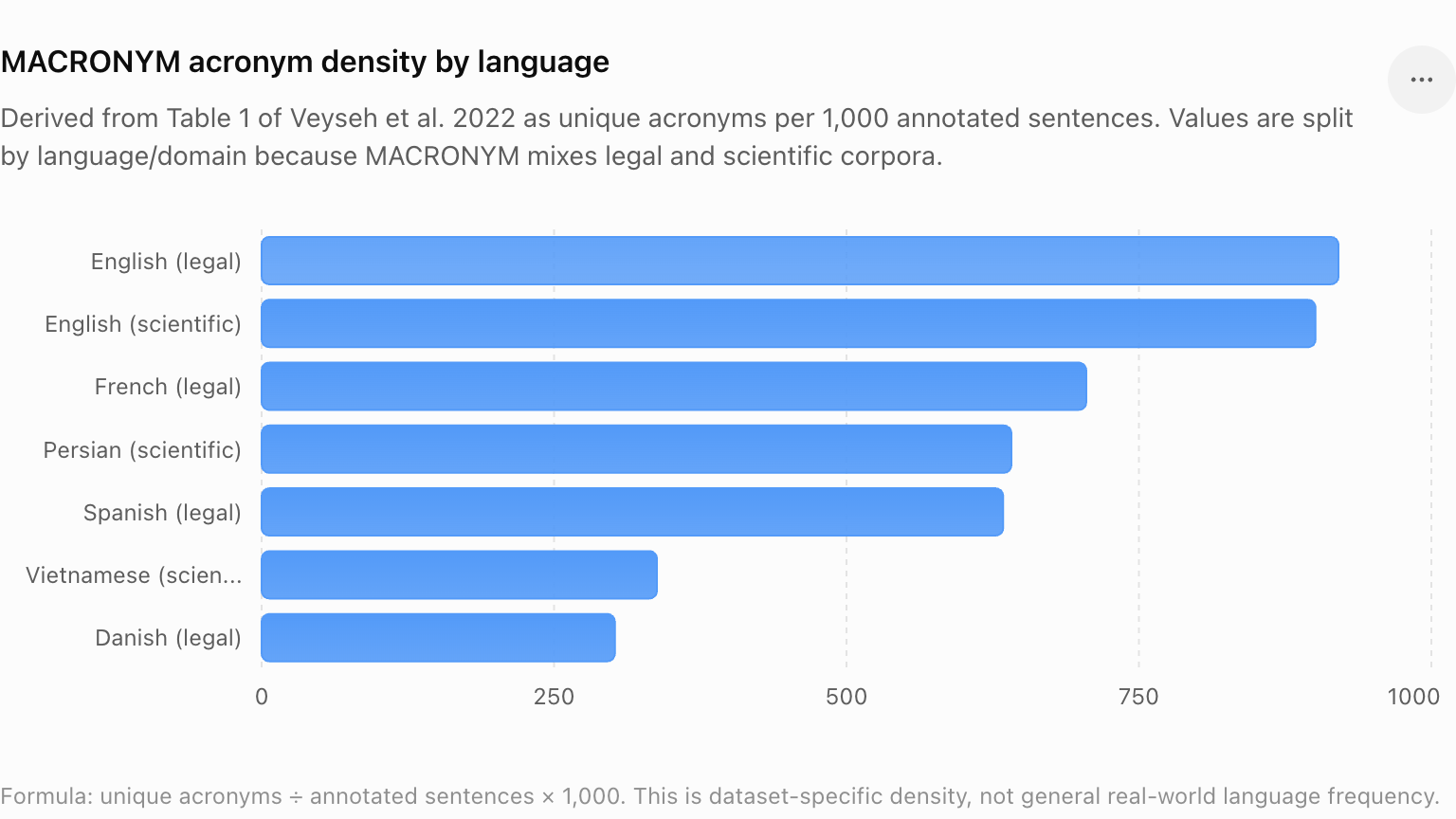

 Shared by @TheEconomist ↗
 economist.com18d ago
 Shared by @byothe.fr ↗
 byothe.fr21d ago
 Shared by @wwdwwdpodcast.bsky.social ↗
 spreaker.com24d ago
 Shared by @shojiwax.bsky.social ↗
 shojiwax.com1mo ago
/https://tf-cmsv2-smithsonianmag-media.s3.amazonaws.com/filer_public/25/77/2577ef6b-781c-4718-822a-9c672456ff5c/sequoyah_smithsonian_concept_b.j)
 smithsonianmag.com1mo ago
 Shared by @ara.cat ↗
 ara.cat1mo ago
 BBC2mo ago
 bbc.com3mo ago
 deborahcourtbooks.com3mo ago

 deccanherald
 bignewsnetwork.com
 Times Now