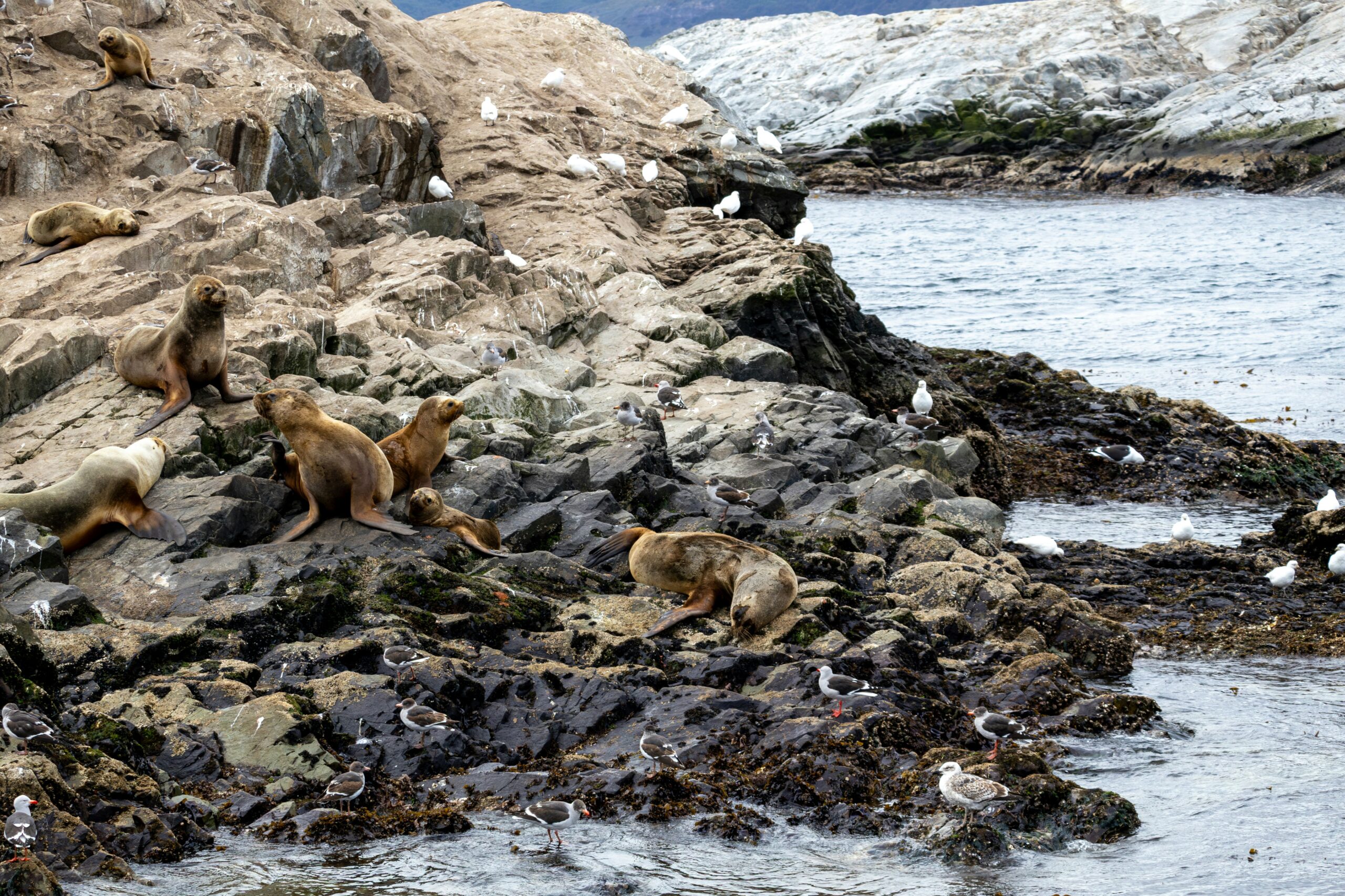
New research reconstructing 21,000 years of tidal energy on the Patagonian Shelf finds that tides are now the strongest they've been since the last Ice Age, with implications for carbon storage and marine habitats.
scienceFriday, July 3, 2026
Tides, superconductors, and wave energy lead today
Today's science news is a mix of deep-time oceanography, solid-state physics breakthroughs, and a practical push for renewable energy on a remote island. The Patagonian tide study and the nickelate superconductor discovery both offer fundamental insights, while Beaver Island's wave energy project shows how those insights might eventually touch real communities.
Ocean and climate
Two stories today look at the ocean from very different angles: one reaches back 21,000 years to understand modern tides, the other looks forward to a small island's energy future.
Beaver Island in Lake Michigan wants to tap wave and current energy to replace its unreliable submarine cable, highlighting the early-stage promise and challenges of hydrokinetic power.
Physics breakthroughs
Solid-state physics and quantum computing both had notable advances, with the superconductor discovery carrying the most immediate consequence.
Chinese researchers identified a nodeless superconducting gap and electron-boson coupling in nickelate films, cracking a key mystery in high-temperature superconductivity.
Zhejiang University generated a two-mode magnonic cat state using YIG spheres and a superconducting qubit, extending quantum entanglement to multimode systems.
Tech and energy
Two engineering milestones round out the day: a 3D-printed nuclear module and a solar desalination device that could reshape water economics.
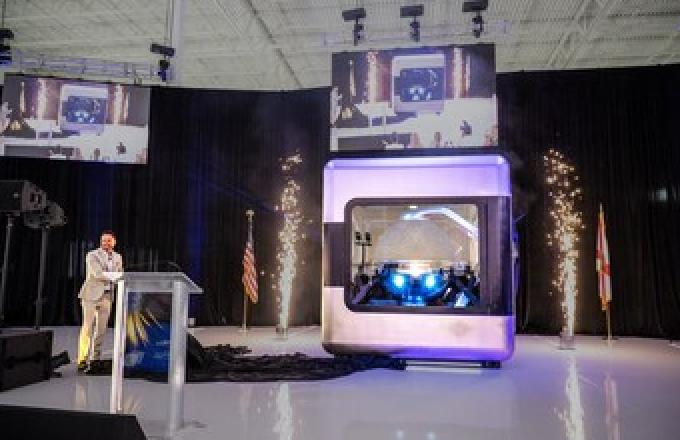
AMPERA completed what it claims is the first full-scale 3D-printed nuclear reactor module, for its thorium reactor design.

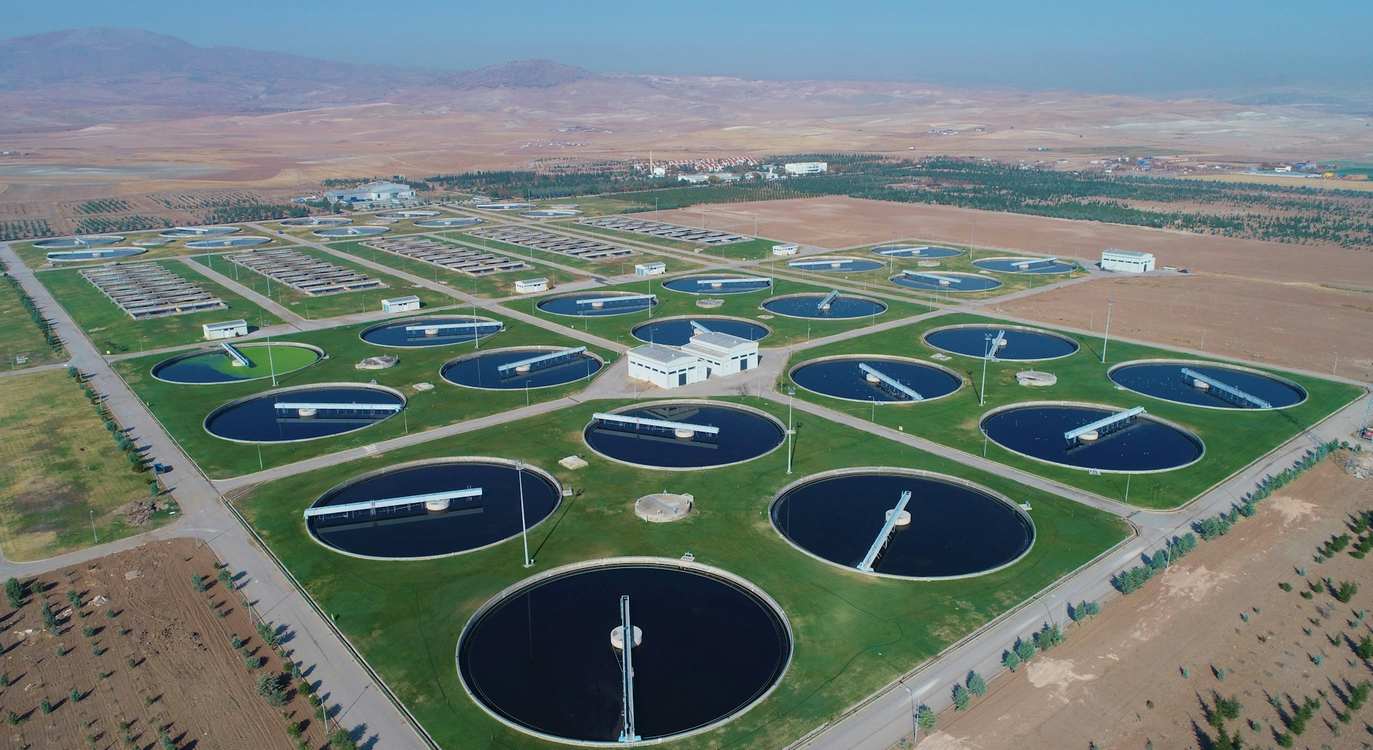
A Chinese team's solar desalination device absorbs 90.2% of sunlight and uses 47.5% less energy, potentially making desalinated water cheaper than bottled water at scale.
Also today7
ENSO and the Indian Monsoon… not as straightforward as you’d thinkwww.climate.gov
260 Starlink Satellites Burn Up in Earth's Atmosphere As More Head for Fiery Endswww.pcmag.com
The Commission for the Ethical Treatment of Human Remains (TCETHR) - American Anthropological Associationamericananthro.org
Self-Experimentation to Slow Aging is Rarely Presented in a Good Lightwww.fightaging.org
An algorithmic approach for computing fundamental domains of crystallographic groupsarxiv.org
Computing the Integral R2 Indicator by Perspective Mapping and Box Decompositionarxiv.org
How a one-of-a-kind robot led researchers deep into the Great Pyramidwww.nationalgeographic.com
The article recounts the 2002 National Geographic expedition to explore mysterious shafts in the Great Pyramid of Giza's Queen's Chamber using a custom-built robot called the Pyramid Rover. Designed by engineer Ng Tze Chuen and built by iRobot (makers of the Roomba), the robot na
More roundups that day
Wind cancellations and EU renewables record
energy roundup