























fox7austin.com · 8 min
The AI model picks up on subtle ECG patterns that doctors miss, which could make sudden cardiac death screening as routine as an EKG. The real impact would be catching younger athletes and people without known heart problems.
Tuesday · 2026
8 stories · 8 outlets · 4 min read
AI's ability to find hidden patterns in medical data takes a practical turn today, with a model that spots sudden cardiac death risk from a standard ECG. Meanwhile, the line between real and fake faces blurs further, and a Stanford study makes the case against daylight saving time on health grounds.
In today's edition: AI in medicine, Perception and time and Health and environment, plus quick bites.
Fox7austin, Theconversation, Popularmechanics and 5 more
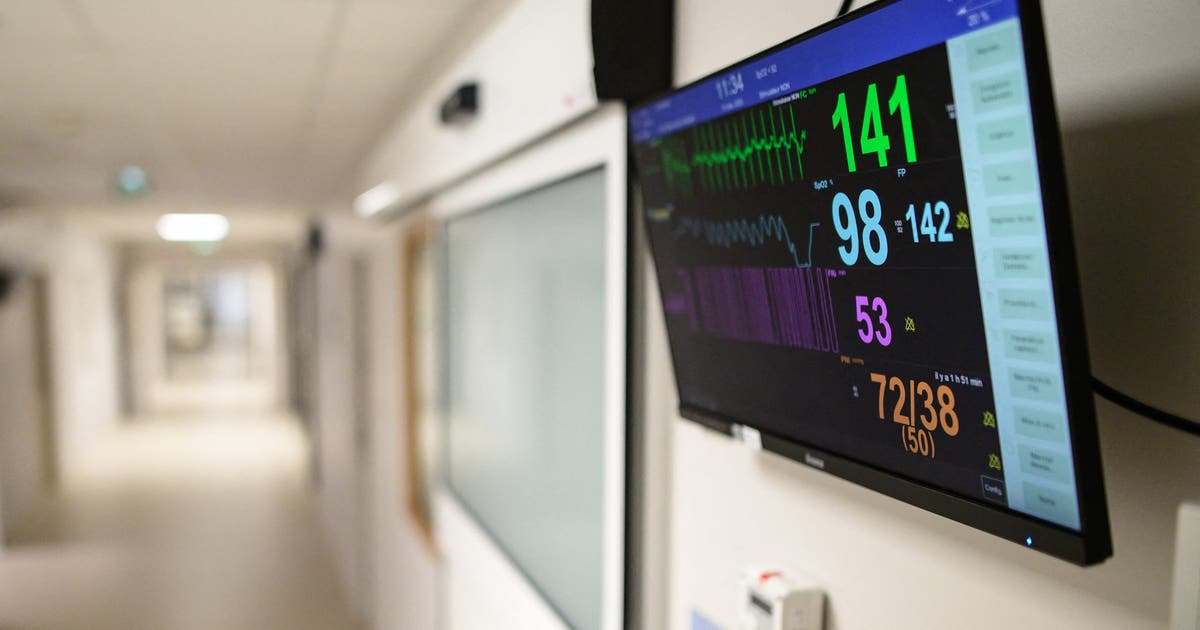
A UC Berkeley AI model trained on routine ECGs can identify hidden patterns linked to sudden cardiac death, potentially catching at-risk individuals before a cardiac arrest occurs.
fox7austin.com · 8 min
The AI model picks up on subtle ECG patterns that doctors miss, which could make sudden cardiac death screening as routine as an EKG. The real impact would be catching younger athletes and people without known heart problems.

Two stories question how we perceive reality: AI faces have become so realistic they fool most people, and physicists explore whether time might flow in reverse.
theconversation.com · 6 min
AI faces have crossed into 'hyperreal' territory where they look more real than actual human faces. The piece offers practical tips for spotting them, but the key takeaway is that overconfidence makes people worse at detection.
popularmechanics.com · 13 min
This is a speculative but fascinating dive into whether time is fundamental or emergent, touching on tachyons and multiple dimensions. Not a new study, but a well-written overview of fringe ideas that challenge causality.
A Stanford study adds to the case against daylight saving time, linking it to long-term health harms from circadian disruption.
med.stanford.edu · 23 min
The Stanford study goes beyond the usual 'spring forward is bad' argument, showing that year-round daylight saving time itself may be harmful by chronically disrupting circadian rhythms. The researchers advocate for permanent standard time.
Angiocrine signaling drives liver fibrosis: From mechanism to early clinical translationcell.com
300,000-Year-Old Cave Site Explored in Northern Israelarchaeology.org
Biochar used for solar water purificationsustainabilitymatters.net.au
USC student satellite to blast off on SpaceX rocketredlandsdailyfacts.com
Monday
Science · 9 stories