



























news.bitcoin.com · 3 min
0
IBM's 0.7 nm chip with a novel 'nanostack' 3D transistor architecture packs 100 billion transistors on a fingernail-sized chip, promising 70% better energy efficiency. It's a concrete step beyond current silicon limits.
Saturday · 2026
9 stories · 9 outlets · 4 min read
Today's science news is dominated by a single breakthrough: IBM's sub-1 nanometer chip with 100 billion transistors. It's a tangible extension of Moore's Law that overshadows everything else. Meanwhile, AI detection and green AI debates continue, but the hardware story is the day's real headline.
In today's edition: Chip breakthrough, AI and its impacts and Frontier science, plus quick bites.
Pangram, Hidde, Iq and 6 more
IBM's announcement of a sub-1 nanometer chip is the clear standout today, offering a rare piece of good news for hardware enthusiasts.
news.bitcoin.com · 3 min
IBM's 0.7 nm chip with a novel 'nanostack' 3D transistor architecture packs 100 billion transistors on a fingernail-sized chip, promising 70% better energy efficiency. It's a concrete step beyond current silicon limits.
Two stories examine AI from different angles: one digs into how detection models see text, the other questions the environmental cost of generative AI.

pangram.com · 7 min
Pangram's blog offers a rare look inside an AI text detection model, explaining how it represents writing in 'pangram space' to spot AI-generated content. Two outlets covered it, signaling industry interest.

hidde.blog · 8 min
A sobering piece on AI's environmental footprint: generative AI drives up electricity use, water consumption, and CO2 emissions, questioning the rush to deploy it in government and industry.
From quantum computing to volcano readiness, these pieces cover the cutting edge of research and its real-world applications.

iq.fp2.dev · 6 min
Quandela and collaborators demonstrated a photonic quantum reservoir processing system that works for both quantum and classical machine learning. It's a practical step toward scalable quantum ML.
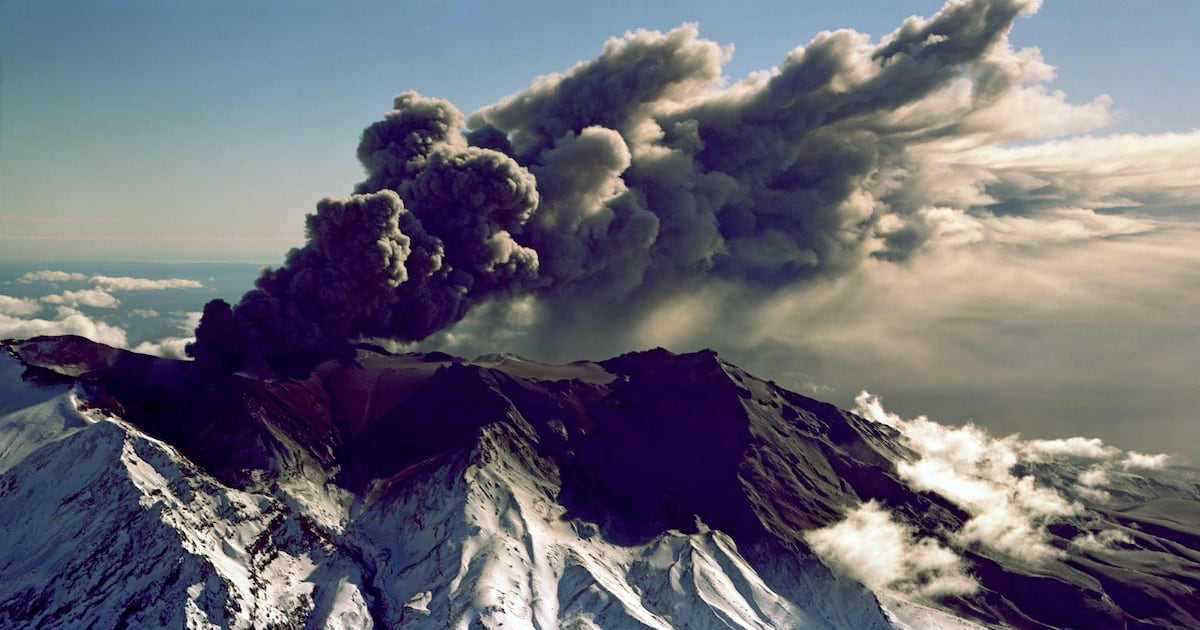
share.google · 6 min
New Zealand's Mount Ruapehu will erupt again, but scientists say modern monitoring and hazard modeling make the country far better prepared than during the 1995-96 eruptions.
Friday
Science · 15 stories