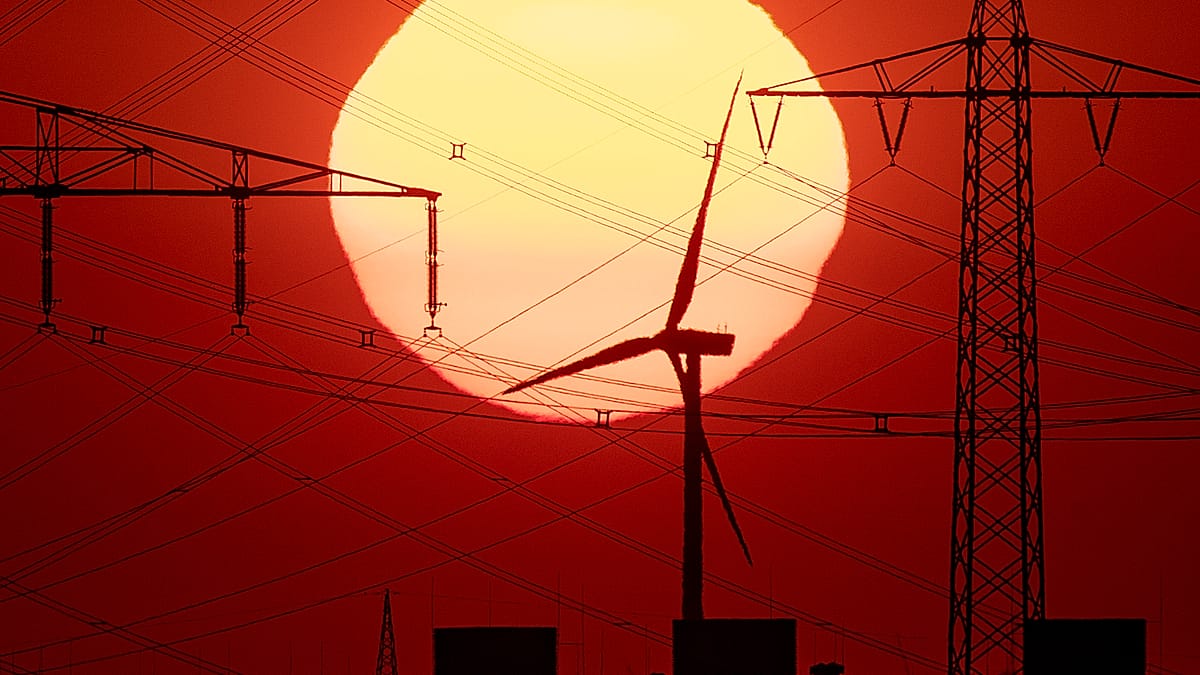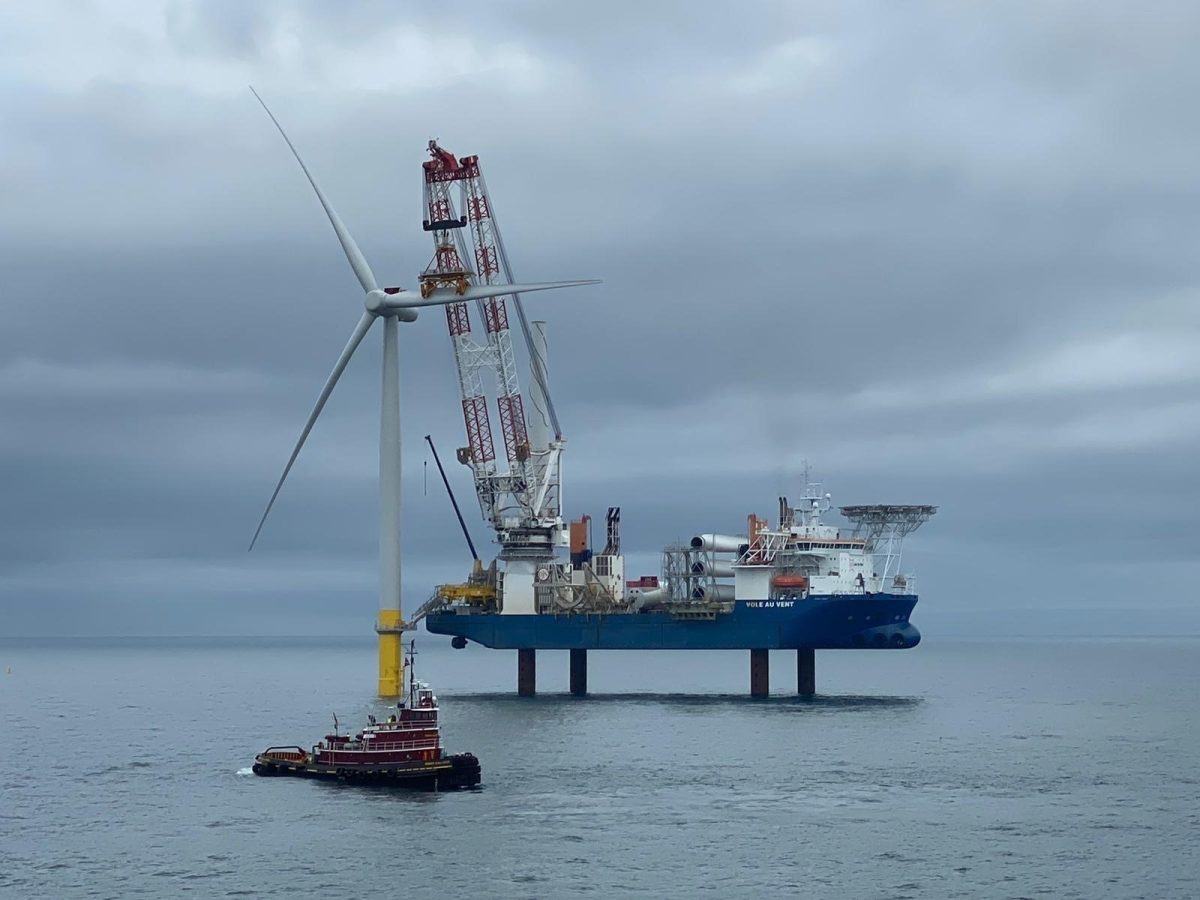
Duke Energy accepted a $129 million federal buyout to terminate its offshore wind lease off North Carolina, citing the president's aversion to renewables. The company will redirect the money into grid upgrades and other power generation.
energyFriday, July 3, 2026
Duke kills wind, Qcells doubles solar, EU hits 46%
Today's energy news is a study in contrasts: Duke Energy takes federal money to scrap an offshore wind lease, while Qcells opens the largest U.S. solar cell plant and the EU reports a record 46% renewable electricity share. The cost advantage of renewables keeps widening, and battery storage is finally getting built at scale.
Wind and solar crosscurrents
Two stories show the uneven pace of the energy transition in the U.S. and Europe.
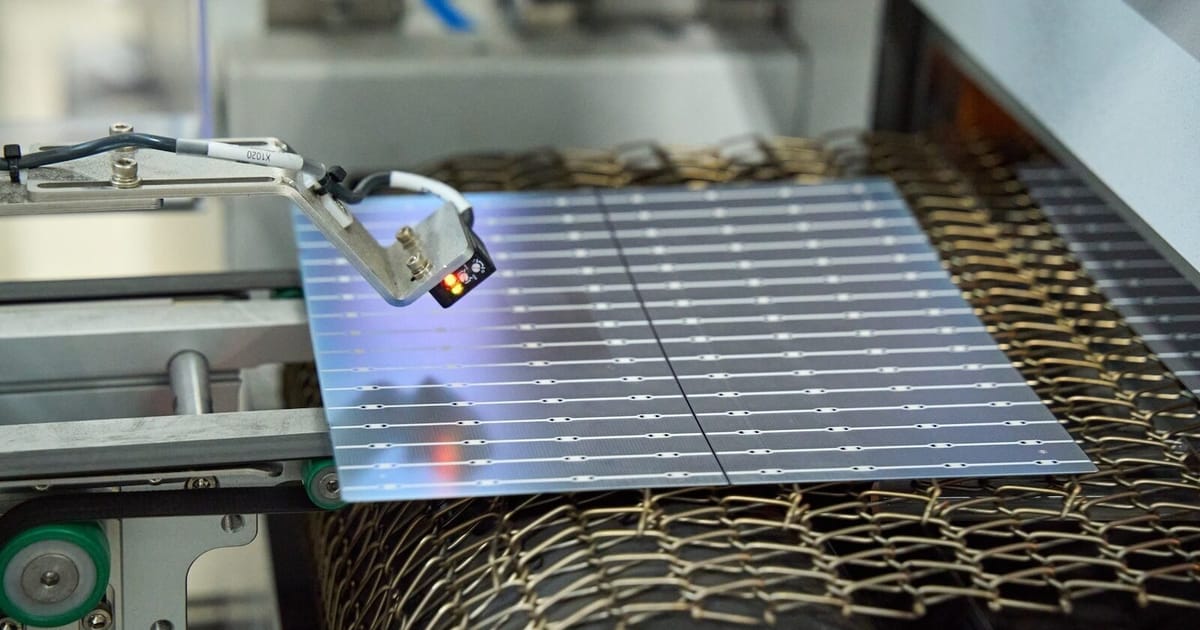
Qcells opened a new solar cell plant in Georgia that doubles its U.S. production capacity, marking a significant step for domestic solar manufacturing and reduced reliance on foreign supply chains.
The EU's renewable electricity share hit 46% in Q1 2026, up from 43% a year earlier, with wind leading the mix. Denmark, Portugal, and Lithuania are the top performers.
Cost and storage milestones
New data and projects underline that renewables are now the cheapest option, and batteries are catching up.
IRENA reports that over 90% of new utility-scale renewable projects in 2025 were cheaper than the cheapest new fossil fuel alternatives, and battery storage costs fell 30%.
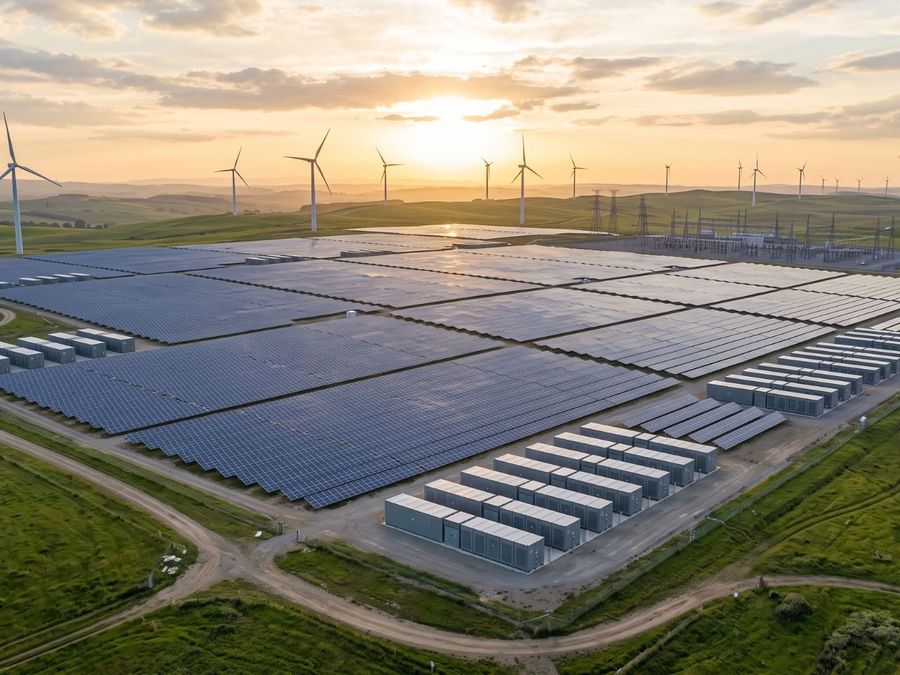
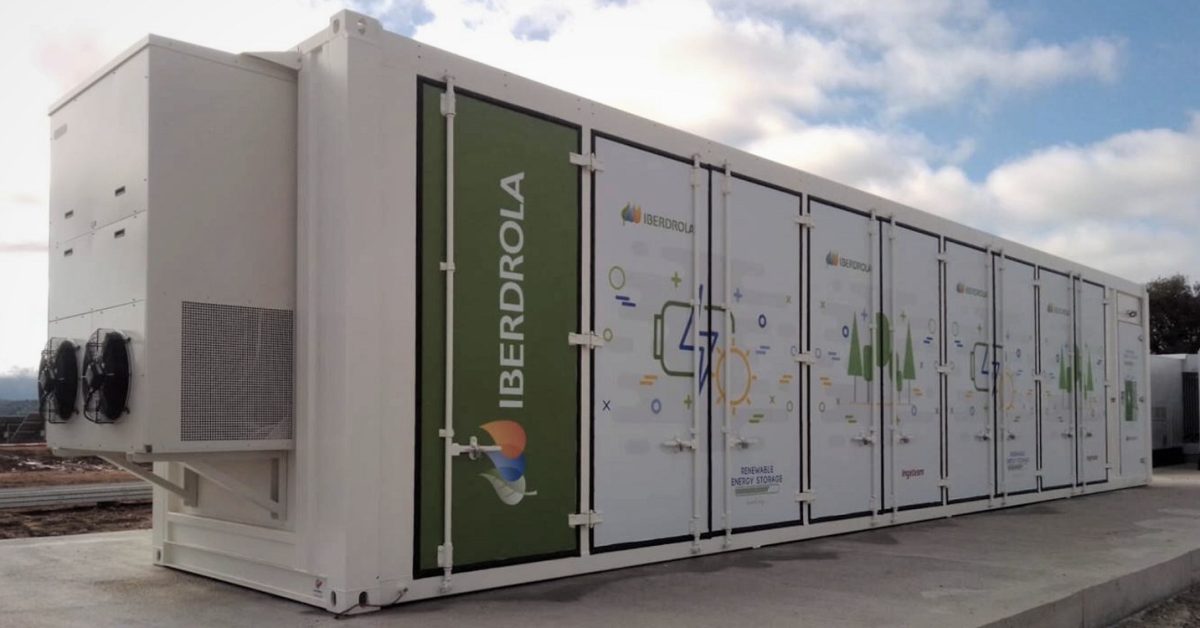
Iberdrola is building its first large-scale U.S. battery project, a 41 MW/82 MWh lithium-ion system in Oregon expected online in 2027, part of a broader utility push for grid storage.