
























Fossil fragments suggest UK was home to world's largest scorpion 400 million years ago
By
Eleri Griffiths, Oscar Edwards
Summary
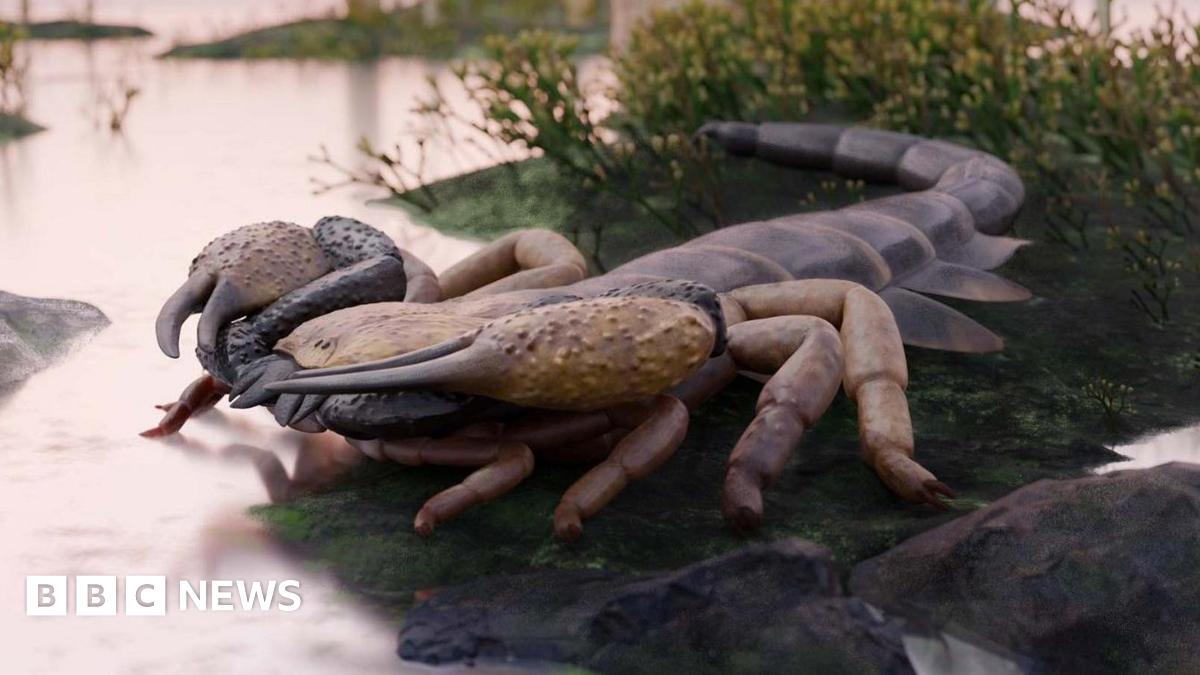
Fossil fragments discovered in the UK suggest that Praearcturus gigas, a scorpion species that lived around 400 million years ago, may have been the world's largest scorpion. Expert Howard explains that while they only have fragments from three sites (not a complete animal), one claw alone measured about 16cm, comparable to or larger than modern giant scorpions. The body length is estimated at about one metre. Howard also clarifies that sea scorpions (eurypterids) are a different extinct group of arthropods, not the same as this land scorpion.
Source
 bskyFossil fragments suggest UK was home to world's largest scorpion 400 million years agobbc.co.uk
Key quotes
· 3 pulledWe're working with lots of fragments, so we can't say precisely how big
We can't just give you a measurement of how big it was from the end of the pincers to the end of the tail
One claw alone measured about 16cm - similar to, or larger than, modern giant scorpions
You might also wanna read

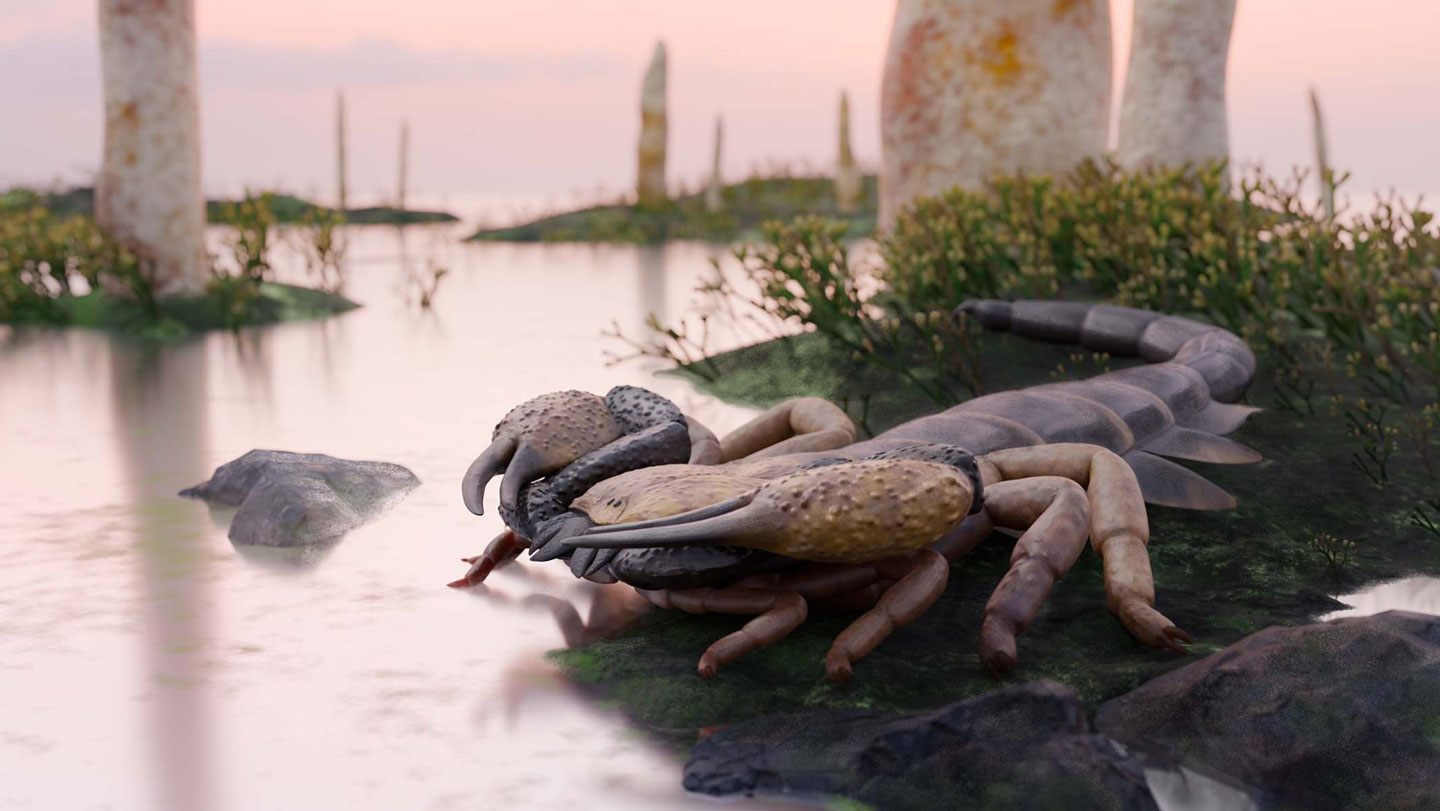
415-million-year-old fossil identified as the largest scorpion ever discovered
Researchers have identified Praearcturus gigas, a fossil that has puzzled scientists for over 150 years, as the largest scorpion to ever exi
 sciencenews.org·4d ago
415-million-year-old fossil identified as the largest scorpion ever discovered
Researchers have identified Praearcturus gigas, a fossil that has puzzled scientists for over 150 years, as the largest scorpion to ever exi
sciencenews.org·4d ago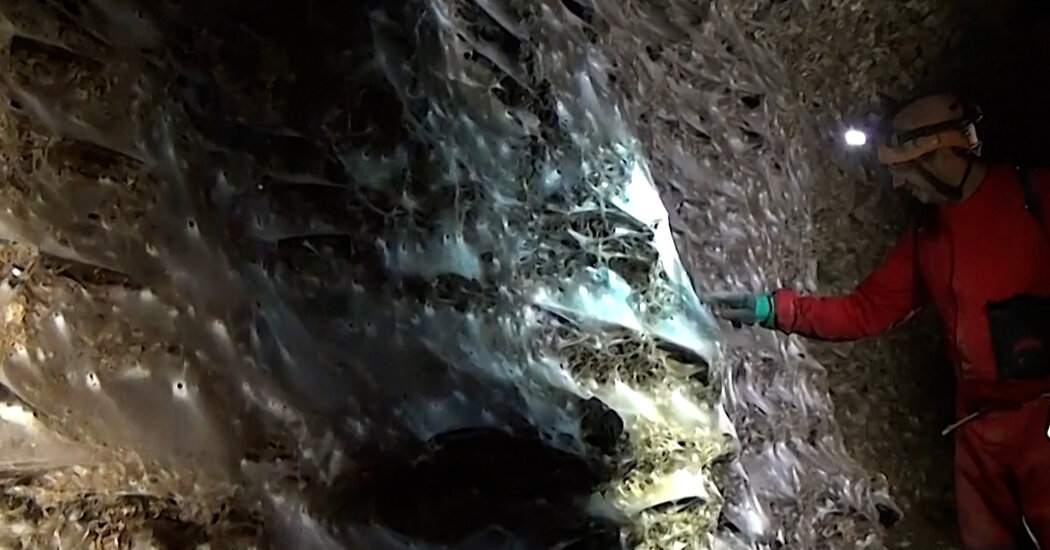
Researchers Discover Massive Cooperative Spider Web in Balkan Cave Housing 111,000 Spiders
Researchers discovered an enormous spider web spanning about 1,140 square feet in a Balkan cave between Albania and Greece, housing approxim
 nytimes.com·5mo ago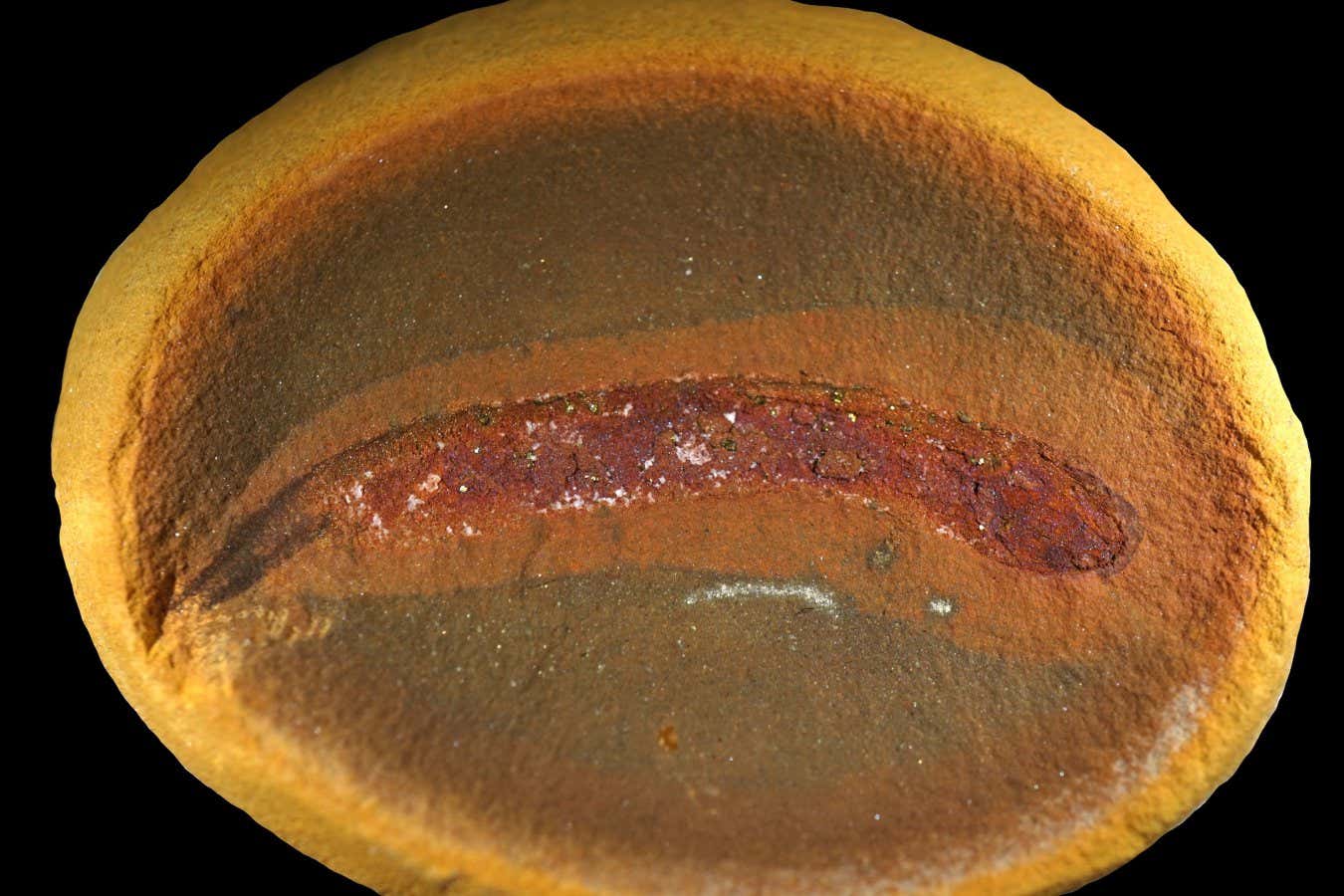
300-million-year-old fossils challenge theory that early land animals had amphibian-like life cycles
A set of exquisitely preserved 300-million-year-old fossils suggests that early four-limbed vertebrates (tetrapods) did not undergo metamorp
 newscientist.com·4d ago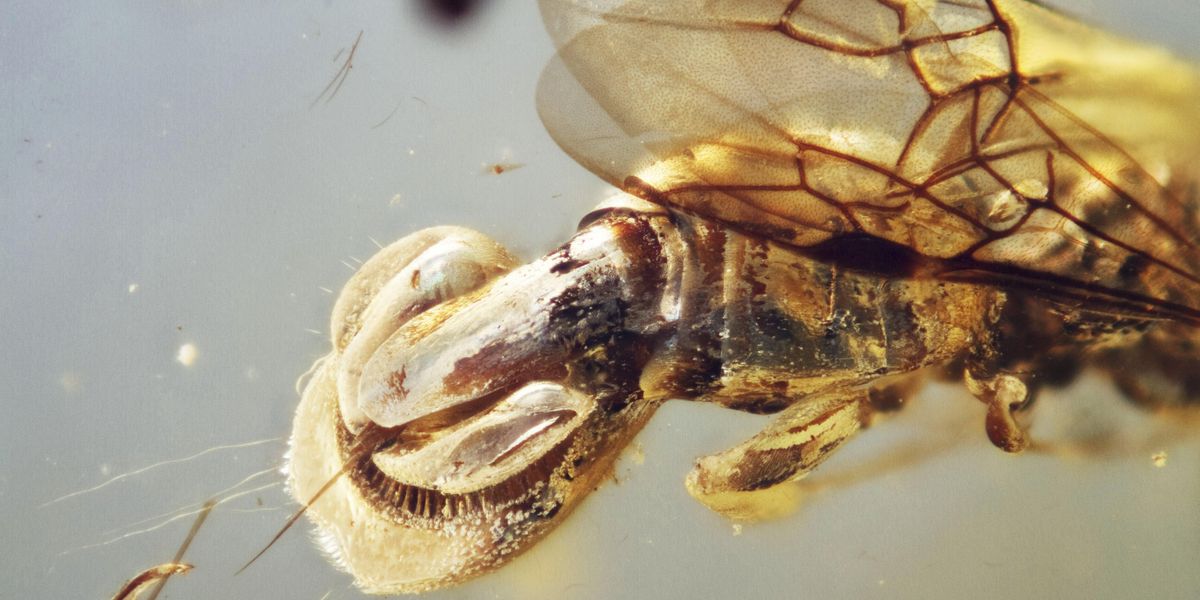
99-million-year-old parasitic wasp with Venus flytrap-like mechanism discovered in amber
Researchers have discovered a new species of parasitic wasp, Sirenobethylus charybdis, preserved in 99-million-year-old amber from Myanmar.
 indy100.com·10d ago
Million-Year-Old Skull Discovery May Rewrite Timeline of Modern Human Origins
A million-year-old human skull discovered in China, previously classified as Homo erectus, has been reanalyzed using sophisticated reconstru
 theguardian.com·8mo ago
Comments
Sign in to join the conversation.
No comments yet. Be the first.