
























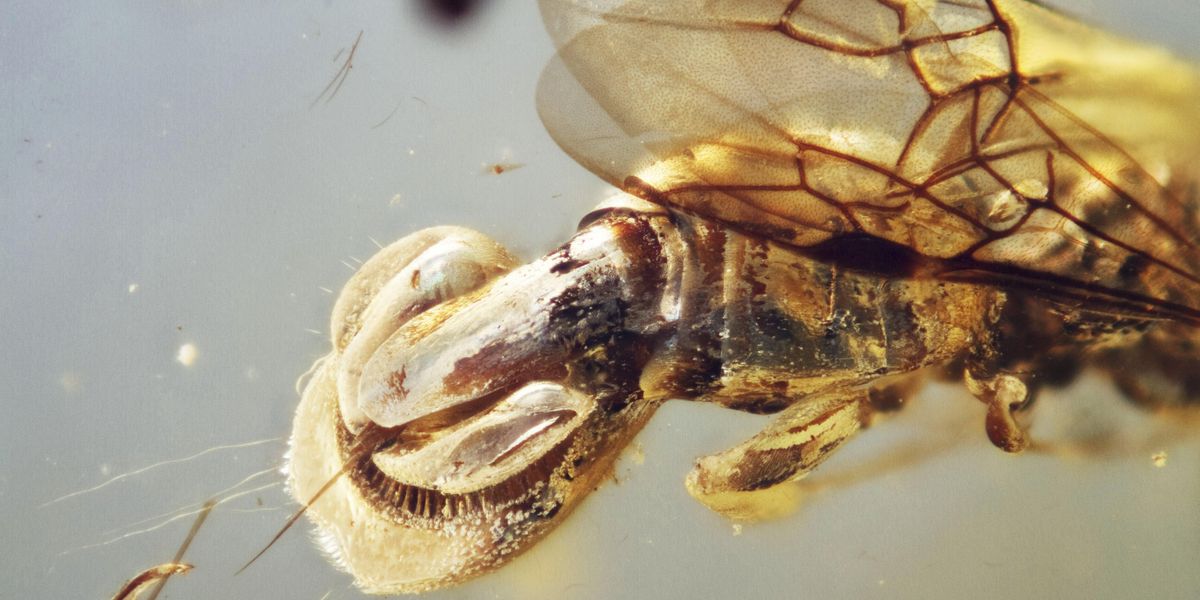
99-million-year-old parasitic wasp with Venus flytrap-like mechanism discovered in amber
By
Sinead Butler
Summary
Researchers have discovered a new species of parasitic wasp, Sirenobethylus charybdis, preserved in 99-million-year-old amber from Myanmar. The wasp had a unique Venus flytrap-like mechanism to catch prey before impregnating them with eggs. The study, published in BMC Biology, analyzed 16 specimens from the Cretaceous period.
Source
 Twitter / X99-million-year-old parasitic wasp with Venus flytrap-like mechanism discovered in amberindy100.com
Key quotes
· 2 pulledThe species now called Sirenobethylus charybdis had a bizarre mechanism that worked like a Venus flytrap which caught the prey, and then the wasps impregnated them with their eggs
Preserved in amber from the Cretaceous period, palaeontologists were able to analyse 16 specimens of the tiny wasps discovered in Myanmar
You might also wanna read


New Australian Bee Species Discovered with Horn-Like Facial Projections
Australian researchers have discovered a new species of native bee with distinctive horn-like projections on the female's face, earning it t
 The Onion·7mo ago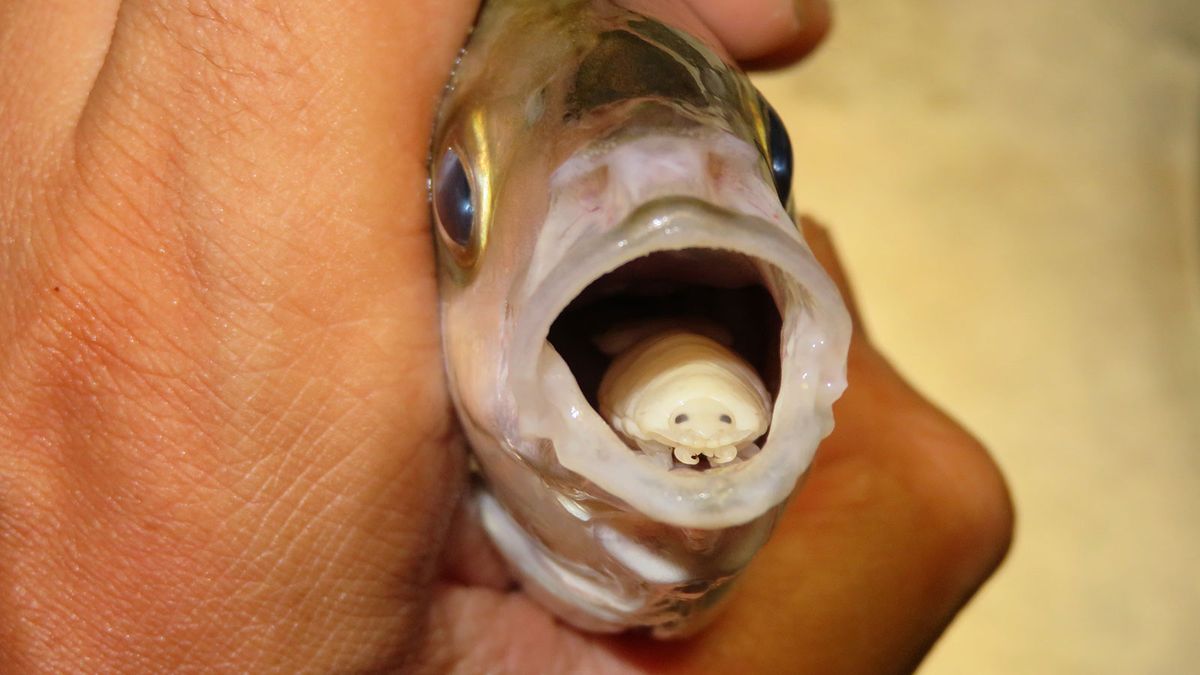
The Tongue-Eating Parasite Cymothoa exigua: How It Replaces Fish Tongues
The article explores the fascinating and gruesome parasitic relationship between Cymothoa exigua, a tongue-eating louse, and its fish hosts.
 animals.howstuffworks.com·6mo ago
Fossil evidence reveals vertebrate predation on Mississippian blastoid Pentremites spicatus
This scientific paper presents evidence of vertebrate predation on the Mississippian blastoid Pentremites spicatus, a type of extinct echino
 scup.com·2d ago
Shark eye lens isotope records reveal lifetime diet and habitat use patterns
This article presents a scientific study using eye lens layers (laminae) in sharks as a biochemical archive to reconstruct lifetime diet pre
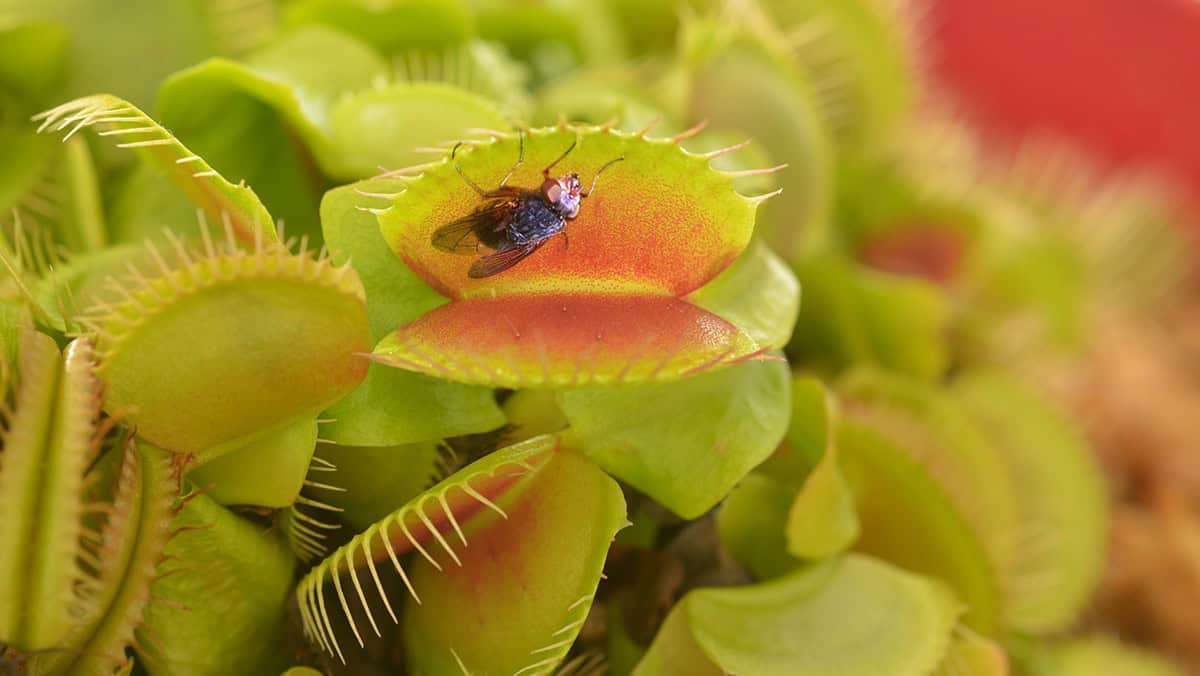
Venus flytraps snap shut through rapid cell-wall softening, French researchers discover
Researchers in France have discovered that Venus flytraps snap shut through rapid softening of their outer cell walls, contradicting the pre
Scientists identify culprit behind biggest-ever U.S. honey bee die-off
Comments
Sign in to join the conversation.
No comments yet. Be the first.