
























Why use audio for sleep?
By
Yadid Ayzenberg
5mo agoen
Source
SONDWhy use audio for sleep?sond.comWhy use audio for sleep? We use audio neurostimulation, but there's a lot of science that goes into selecting the optimal audio. Different types of audio that impact the brain in a different way. Why do we use sound? The idea is you can stimulate the brain through visual touch audio as well. So it's basically each sense can stimulate the brain somehow. We chose audio because people self-medicate all the time. When they're stressed, they listen to music. When they need to focus, when they need to get excited, when they work out. Audio is very natural to people as a way to deal with emotions. And so the reason why also we created a catalog of different types of interventions is because we know that a specific intervention may be effective for someone at one time, but the following night they'll need something else. So we believe that there is the right intervention at the right time.
You might also wanna read
The Mozart effect: The truth behind the claims
parentingscience.com·1y ago

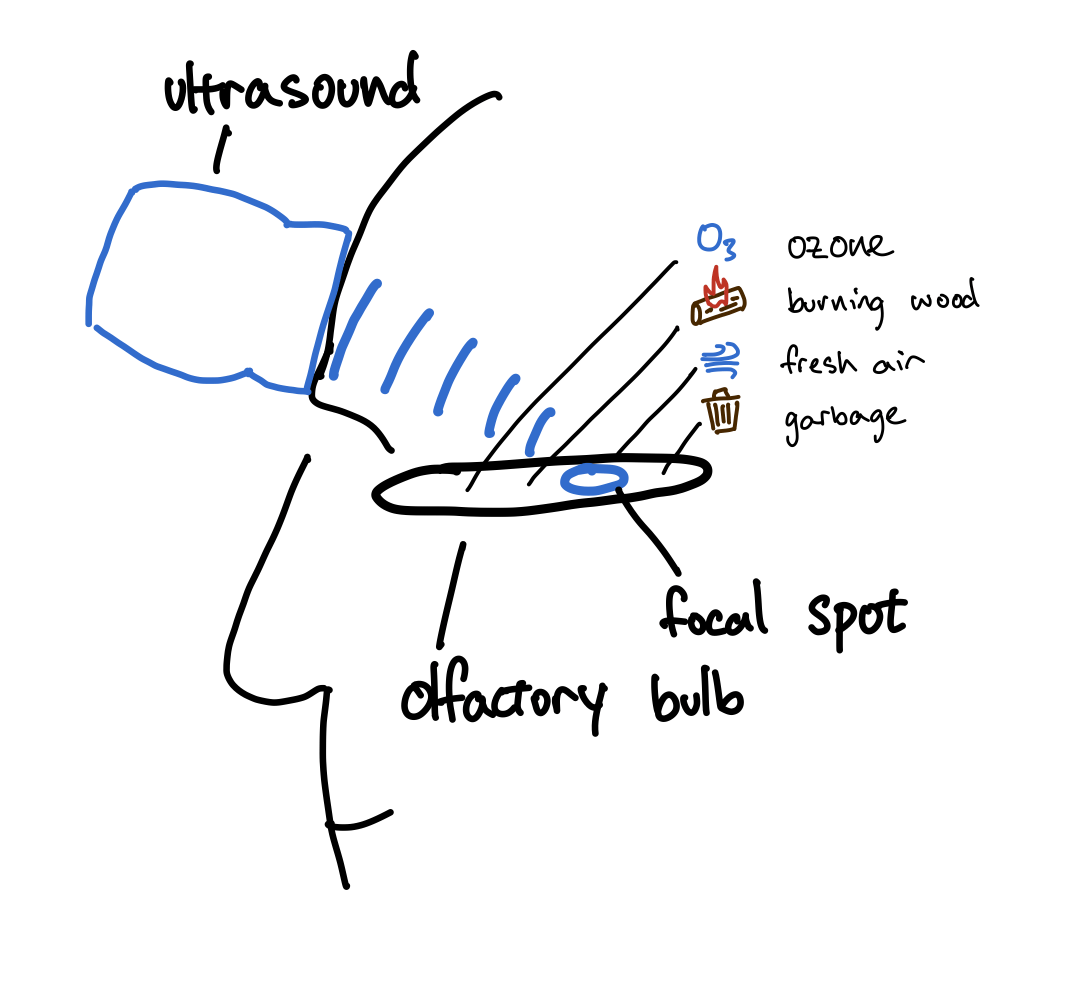
First Human Olfactory Stimulation Achieved Using Focused Ultrasound Brain Technology
Researchers have achieved the first-ever ultrasound olfactory stimulation in humans by using focused ultrasound to target scent-processing b
 writetobrain.com·7mo ago
Scientific Research Shows Musical Training Enhances Brain Structure and Function
The article explores scientific research showing that musical training, even for amateurs, has significant positive effects on brain structu
 economist.com·3mo ago
Understanding the Impact of Noise on Sleep Using Consumer Devices
The article discusses the impact of noise on sleep, particularly focusing on how consumer devices like the Apple Watch can measure noise lev
empirical.health·1y ago
Oxford Neuroscientists Discover Connection Between Tinnitus and Sleep in the Brain
Neuroscientists at the University of Oxford have discovered a previously overlooked connection between tinnitus and sleep in the brain. Thei
 sciencealert.com·4mo ago
Study Uses Optogenetics to Mimic Deep-Sleep Brain Rhythms in Awake Mice, Boosting Memory
Researchers at the University of Wisconsin-Madison used optogenetics to recreate the brain rhythm of deep sleep in awake mice, providing som
 vice.com·15d ago
Comments
Sign in to join the conversation.
No comments yet. Be the first.