
























New research explains why Antarctica froze 25 million years before the Arctic
This article explains two interlinked scientific mysteries about polar ice formation: why Antarctica became covered in ice around 34 million years ago (during the Eocene-Oligocene transition) while the Arctic remained largely ice-free for another 25 million years. It presents new research that reveals how falling carbon dioxide levels and changing ocean currents (specifically the opening of the Drake Passage and the development of the Antarctic Circumpolar Current) combined to trigger Antarctic glaciation, while the Arctic's different geography and ocean circulation patterns delayed its freezing. The research solves long-standing puzzles about the asymmetric development of ice sheets at Earth's poles.
Key quotes
East Antarctica hosts the largest ice sheet on Earth, containing enough water to raise global sea levels by 52 metres, were it to fully melt.
Antarctica became covered in ice around 34 million years ago – a period known as the Eocene-Oligocene transition – while the Arctic region stayed largely ice-free for another 25 million years or so.
Carbon dioxide levels in the atmosphere were falling dramatically at the time, and played an important role in falling te
From the article
You might also wanna read
Why Antarctica froze millions of years before the Arctic


Study identifies three-phase mechanism driving Antarctic sea ice decline since 2015
This scientific study analyzes the drivers of Antarctic sea ice decline since 2015, using an observationally constrained sea ice–ocean model
 Science Advances·2mo ago
Antarctic ozone loss drove unexpected Southern Ocean cooling, climate model shows
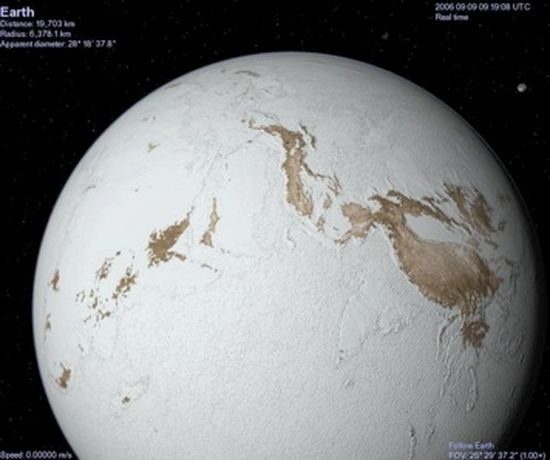
New analysis suggests Snowball Earth climate cycles may be more complex than current models predict
This article examines the Snowball Earth and Slushball Earth hypotheses during the Sturtian glacial period of the Neoproterozoic Era. It dis
 Science X·2mo ago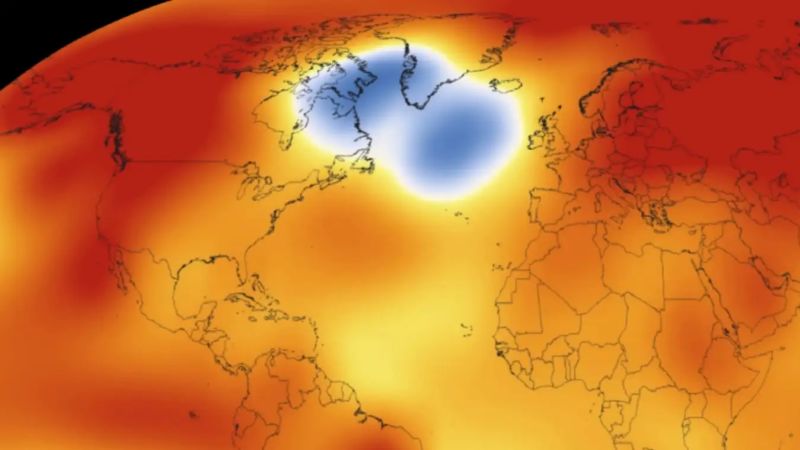
Study links North Atlantic 'cold blob' to potential AMOC collapse and climate tipping point
A large patch of water in the North Atlantic Ocean, south of Greenland and Iceland, has been cooling by nearly 1°C since 1900 while the rest
 cnn.com·24d ago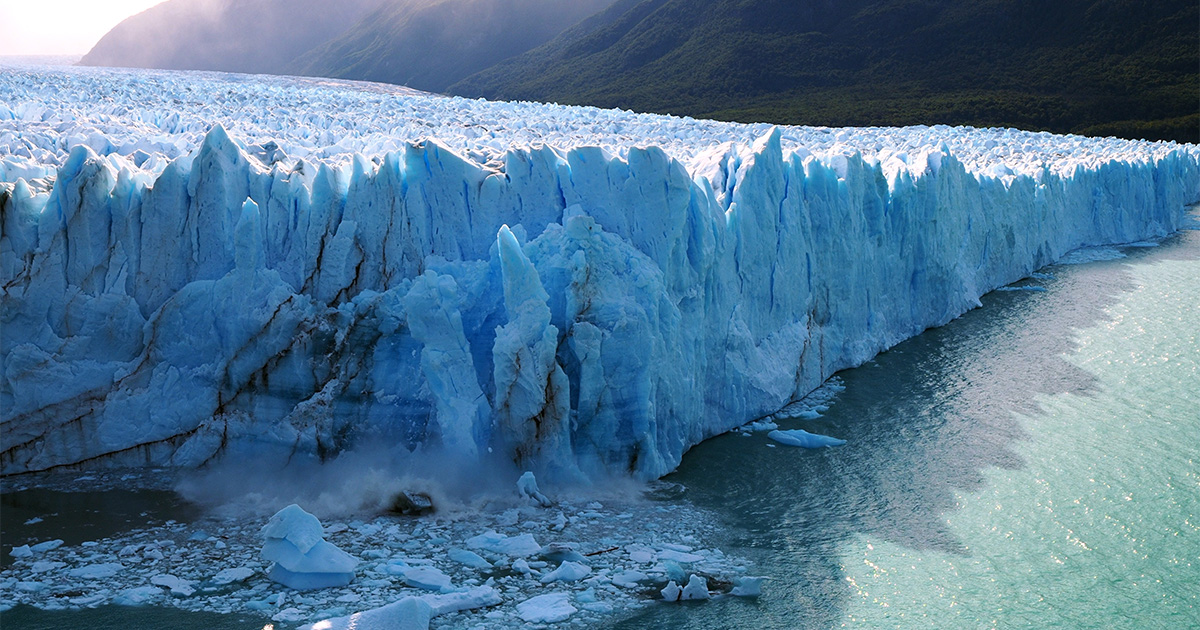
The Uncertain Timeline of West Antarctic Ice Sheet Collapse and Sea Level Rise
The article examines the critical question of when and how quickly the West Antarctic Ice Sheet will collapse, which holds enough water to r
 quantamagazine.org·8mo ago
Comments
Sign in to join the conversation.
No comments yet. Be the first.