





















Study identifies three-phase mechanism driving Antarctic sea ice decline since 2015
By
Alberto C. Naveira Garabato

Hot, fresh, and worth queueing round the block for.
Summary
This scientific study analyzes the drivers of Antarctic sea ice decline since 2015, using an observationally constrained sea ice–ocean model spanning 2013–2023. The research identifies three distinct phases of sea ice retreat: (1) intensifying westerlies preconditioning the Southern Ocean via increased upwelling of warm circumpolar deep water (CDW), (2) strong winds in 2015–2016 enhancing CDW mixing into the upper ocean to initiate sea ice loss (particularly in East Antarctica), and (3) sustained processes continuing the decline. The study provides a mechanistic understanding of the compound drivers behind the unprecedented sea ice loss observed through 2023.
Key quotes
· 4 pulledAntarctic sea ice extent began declining in 2015, reaching its minimum in the post-1970s observational era in 2023.
To diagnose the drivers of this decline, we analyze an observationally constrained sea ice–ocean model spanning 2013–2023 and identify three distinct phases of sea ice retreat.
First, intensifying westerlies preconditioned the Southern Ocean via increased upwelling of warm, saline circumpolar deep water (CDW).
Second, strong winds in 2015–2016 enhanced the mixing of CDW into the upper ocean, thereby initiating sea ice loss, particularly in East Antarctica.
You might also wanna read

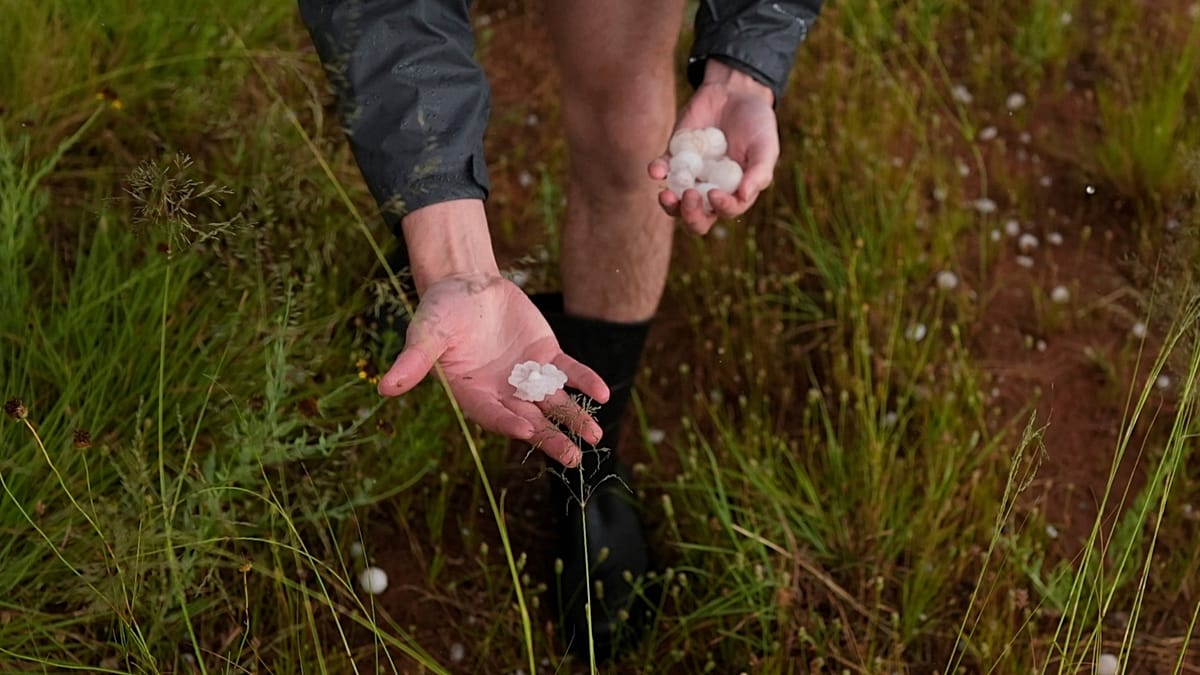
Study: Climate change could increase large hailstones by nearly 50% by 2100
A new study published in Nature warns that climate change will significantly increase the frequency of large hailstones (bigger than a marbl
 euronews.com·3h ago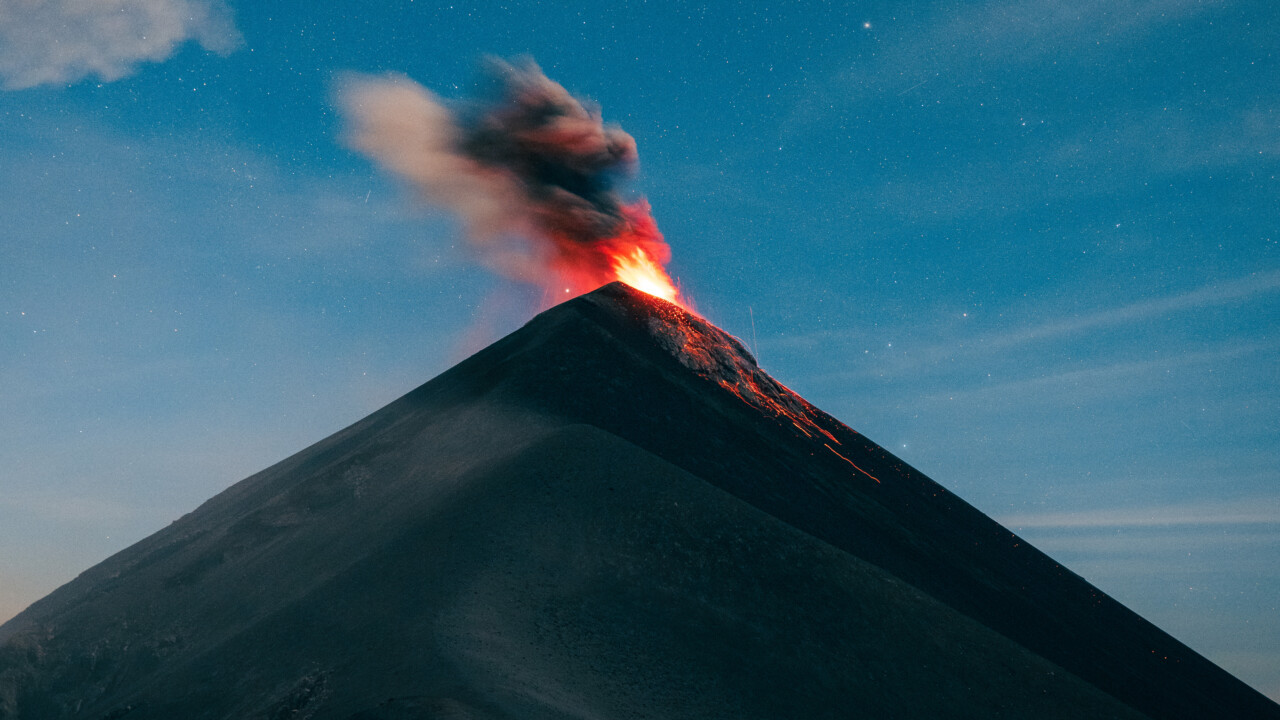
Geoengineering: From 1965 White House Proposal to Mainstream Climate Solution
The article traces the history of geoengineering from a 1965 White House advisory to President Johnson, through Exxon's internal climate war
 atmos.earth·1d ago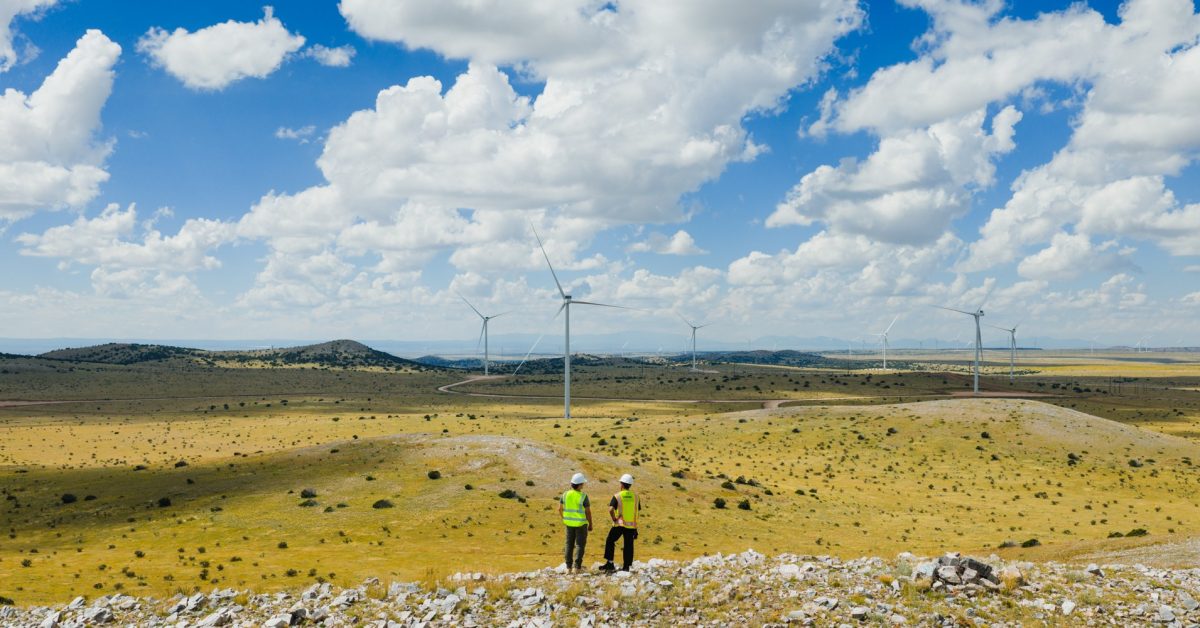
Wind and solar surpass gas in global electricity generation for first time in April 2026
For the first time ever, wind and solar generated more electricity globally than gas in April 2026. According to Ember, wind and solar produ
 electrek.co·1d ago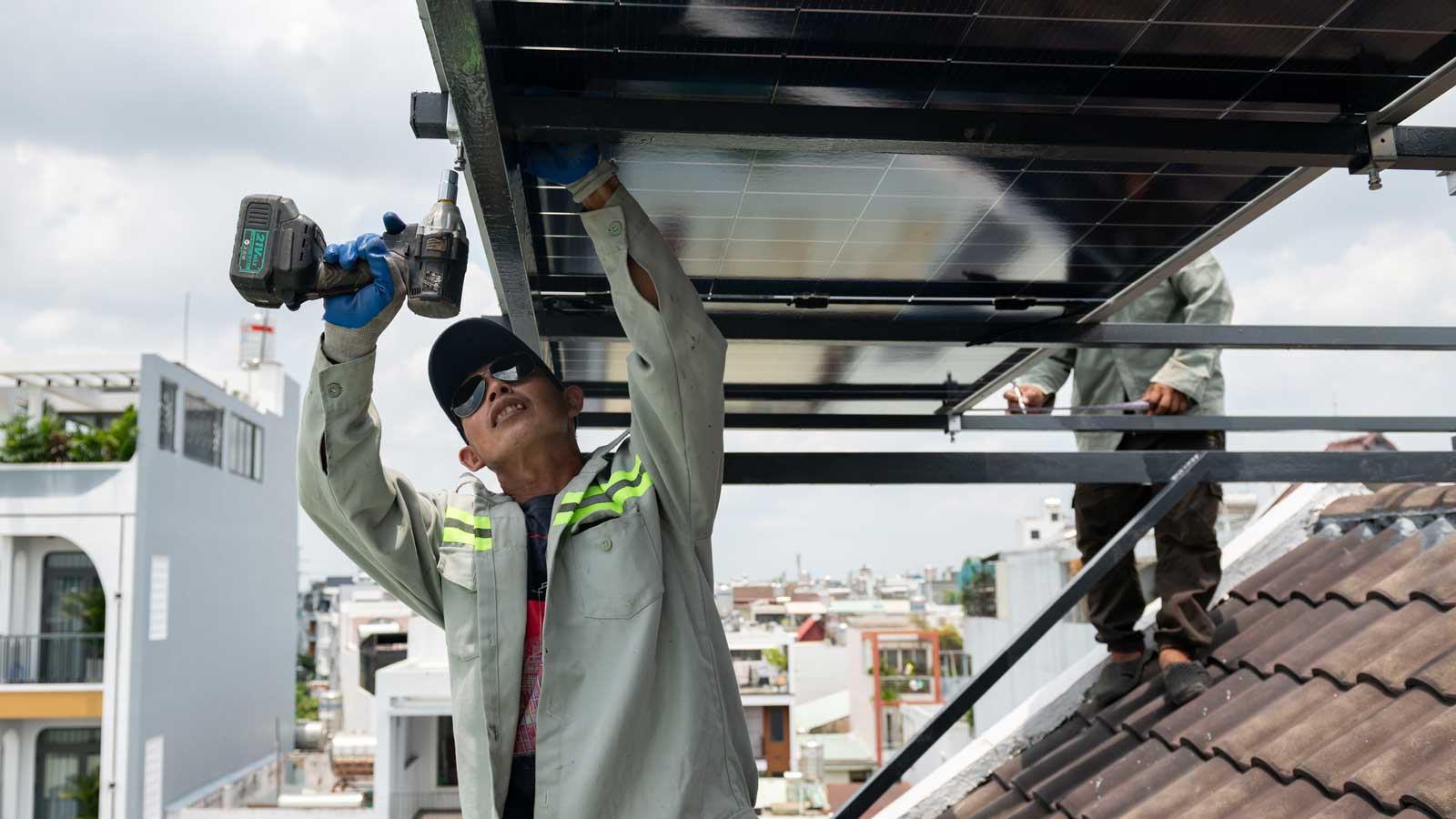
Clean energy growth makes worst-case climate scenario implausible, study finds
A recent study by climate scientists finds that the worst-case climate change scenario, driven by coal-heavy energy use, is no longer plausi
 yaleclimateconnections.org·1d ago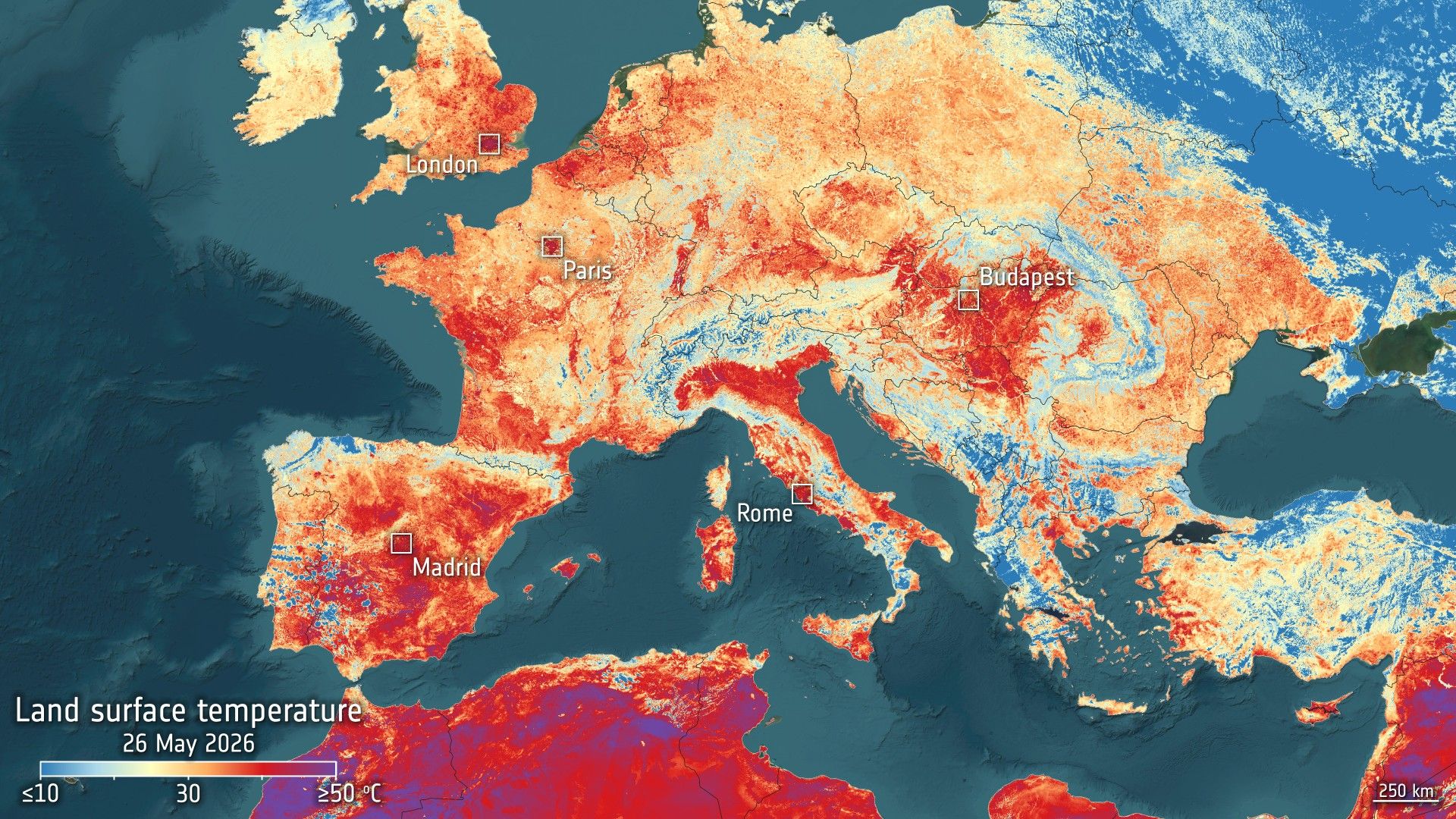
Satellite imagery reveals extreme heat wave sweeping across Europe
Europe is experiencing a severe heat wave, as visualized by the Copernicus Sentinel-3 satellite mission. The satellite data shows scorching
 space.com·2d ago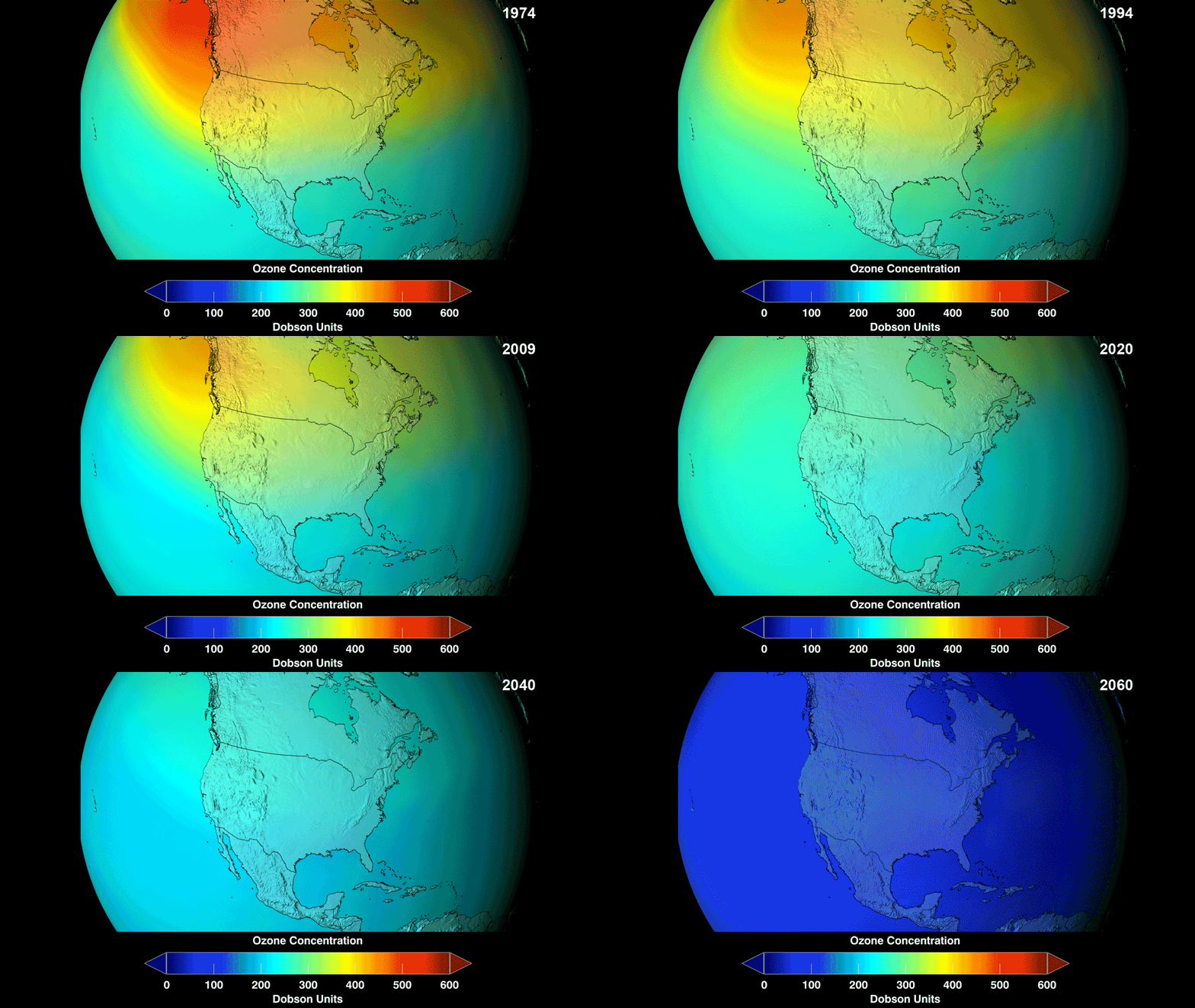
Study: Rising Use of Ozone-Depleting Feedstock Chemicals Could Delay Ozone Layer Recovery by 7 Years
A new study reveals that unaccounted-for emissions of ozone-depleting substances used as chemical feedstocks have increased since the 1987 M
 eos.org·2d ago