
























How the brain continues to mature from your 20s through your 40s
By
Helen Thomson
Summary
This article explores the neurological development of the brain beyond the legal definition of adulthood. It explains that the brain continues to mature well into a person's 20s, 30s, and even 40s, with different regions developing at different rates. Key areas like the prefrontal cortex (responsible for decision-making and impulse control) are among the last to fully mature. The article discusses how brain changes from the 20s to the 40s affect cognition, emotional regulation, risk assessment, and social behavior, challenging the conventional notion that adulthood begins at 18 or 21.
Source

 Twitter / XHow the brain continues to mature from your 20s through your 40snewscientist.com
Key quotes
· 3 pulledLegally, adulthood arrives on a schedule, usually at age 18 or 21 in most countries.
Yet neurologically, it isn't that straightforward – there isn't an exact moment when the brain flips a switch.
We're now understanding the many ways the organ continues to mature decades after society first deems you an adult.
You might also wanna read


Study Identifies Five Developmental Epochs in Human Brain Organization with Turning Points at Ages 9, 32, 66, and 83
A comprehensive study analyzing brain scans of nearly 4,000 people from infancy to old age has identified five major developmental epochs in
 theguardian.com·7mo ago
Neuroscience evidence supports raising England's age of criminal responsibility from ten
This article examines the age of criminal responsibility in England and Wales, currently set at ten years old, which is among the lowest in
 tcnv.link·9d ago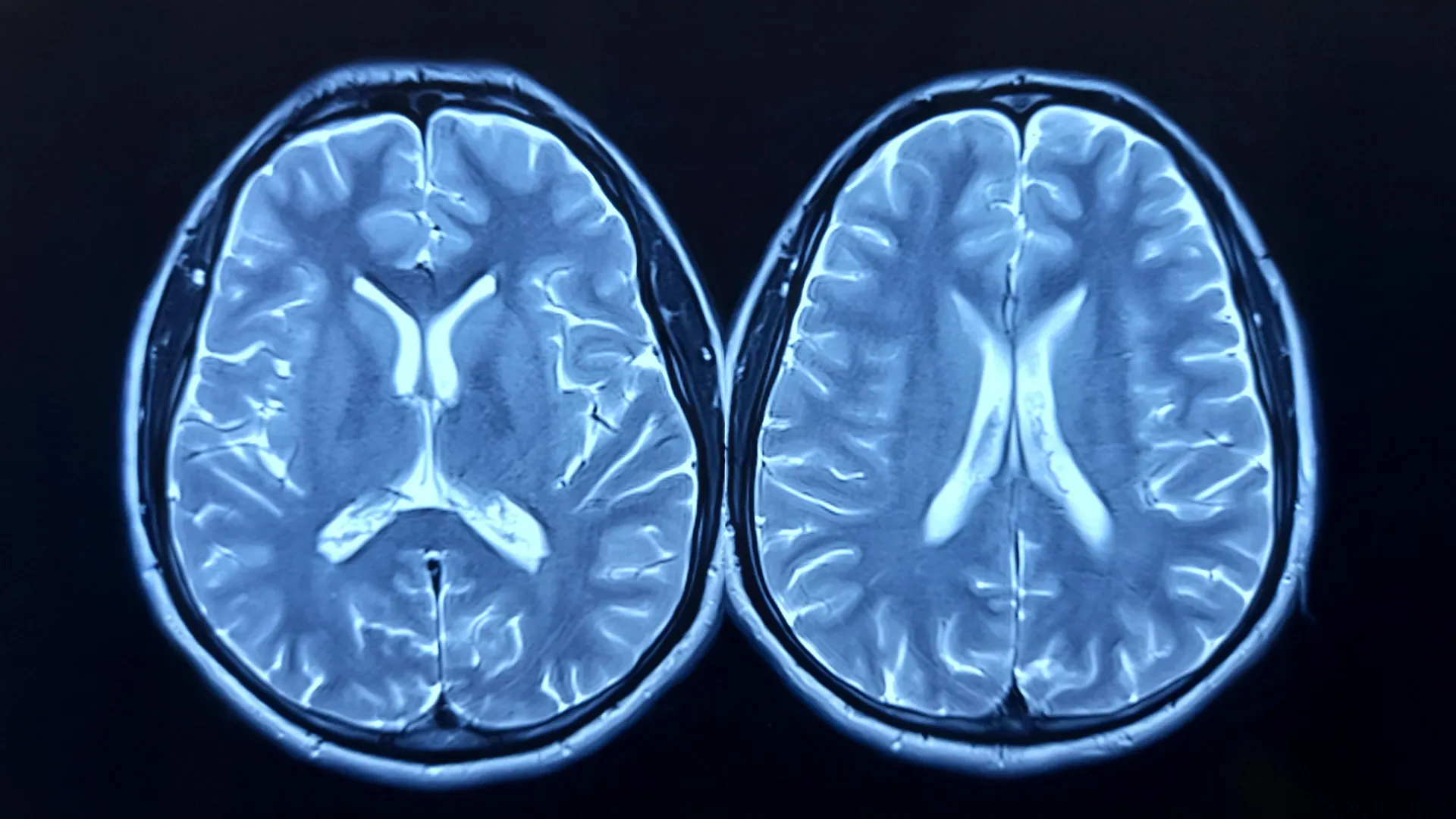
Study: Consistent Aerobic Exercise May Keep Brains Biologically Younger
New research from the AdventHealth Research Institute shows that consistent aerobic exercise can help keep the brain biologically younger. T

How Adolescent Brain Development Drives Social Sensitivity and Risk-Taking: Insights for Mental Health Professionals
Adolescence involves major brain development that makes teenagers highly sensitive to social information like peer evaluation, rewards, and
 bit.ly·17d ago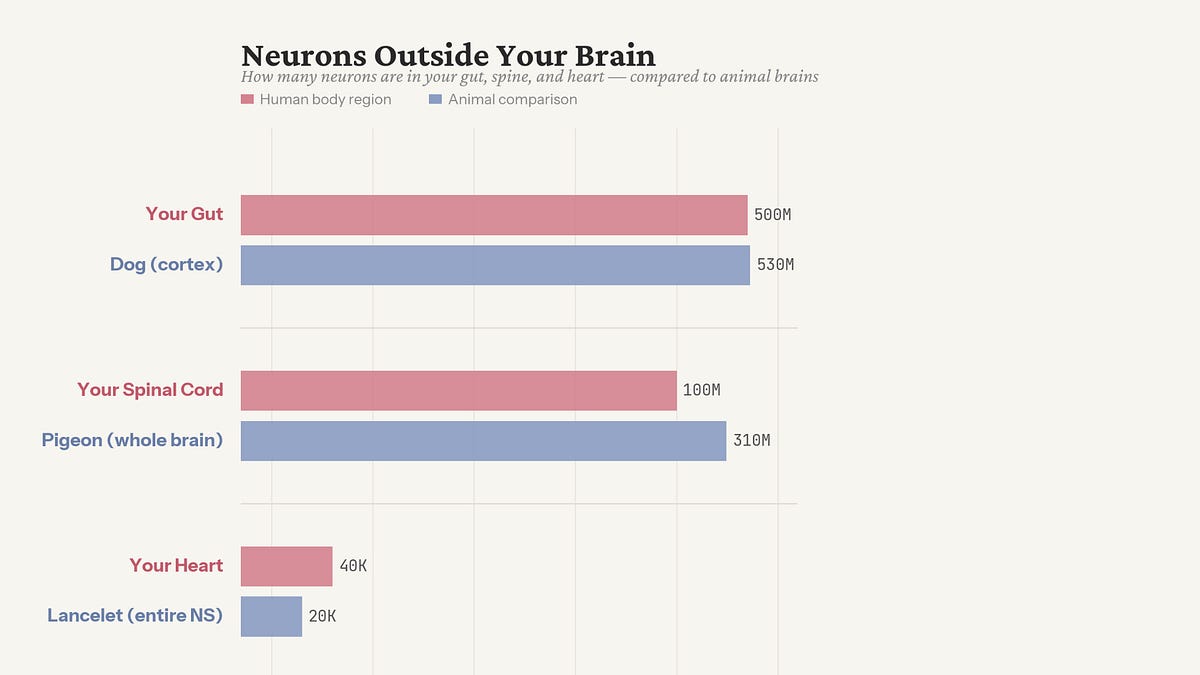
Beyond the Brain: Exploring Embodied Cognition and the Three Centers of Consciousness
The article challenges the traditional neuro-centric view that locates human consciousness and identity solely in the brain. It explores the
 essays.debugyourpain.com·4mo ago
How Joy Deepens and Ripens in Later Life
A reflective piece exploring how joy evolves and deepens in later years. It challenges the myth that joy belongs only to youth, arguing that
 msipressblog.blogspot.com·13d ago
Comments
Sign in to join the conversation.
No comments yet. Be the first.