

























Ancient DNA study identifies pathogen that killed Napoleon's soldiers during 1812 Russian retreat
By
Beatrice Bowlby
Summary
A new study analyzing ancient DNA from soldiers of Napoleon's Grande Armée who died during the 1812 retreat from Russia has identified the infectious pathogens responsible. Contrary to initial expectations of typhus, the research from the Pasteur Institute in Paris reveals a different culprit behind the massive disease outbreak that devastated the French army during its disastrous retreat.
Source
 bskyAncient DNA study identifies pathogen that killed Napoleon's soldiers during 1812 Russian retreatbiotechniques.com
Key quotes
· 3 pulledAnalysis of ancient DNA recovered from some of the soldiers who met their end during this ill-fated escapade may have revealed the culprit
it wasn't typhus, as the team behind the research, from the Pasteur Institute (Paris, France), had initially expected
Over two centuries have elapsed since Napoleon's Grande Armée – nearly half a
You might also wanna read

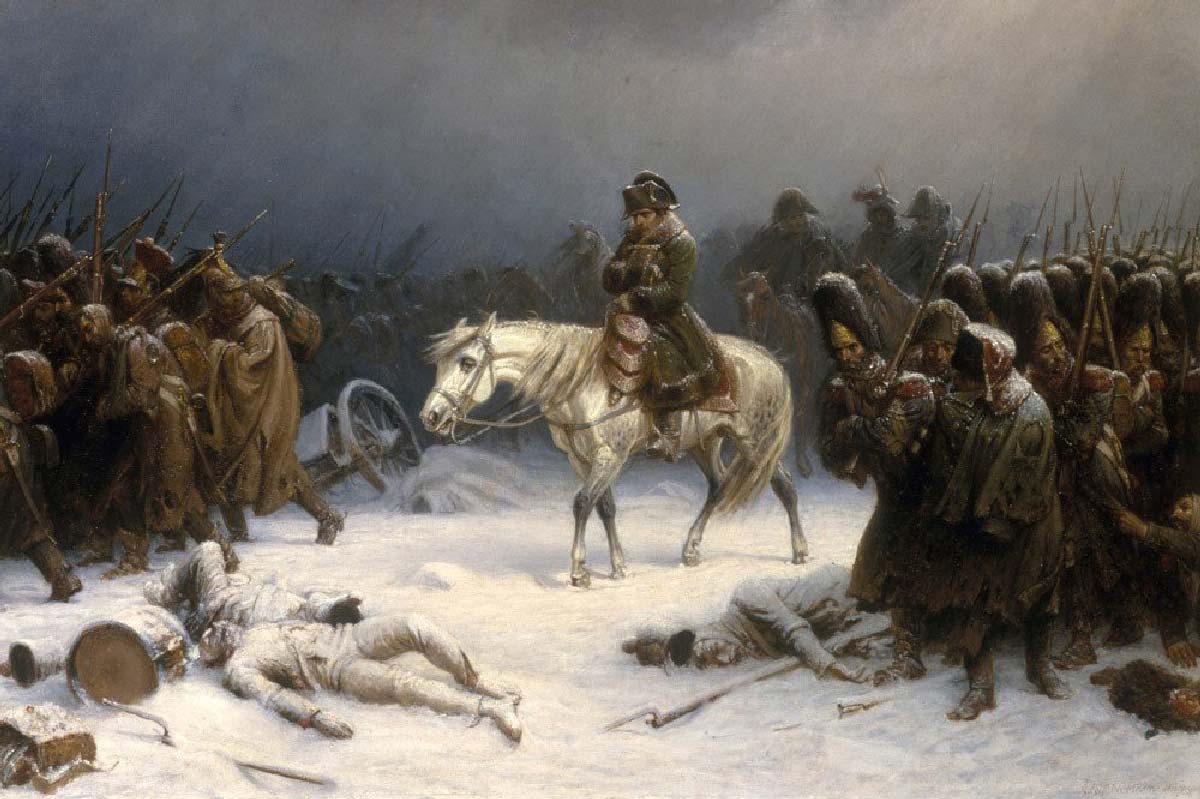
DNA Analysis Reveals Bacterial Infections Killed Napoleon's Soldiers During 1812 Retreat
DNA analysis of teeth from Napoleon's soldiers who died during the 1812 retreat from Russia reveals that enteric and relapsing fevers caused
 gavi.org·8mo ago
Ancient DNA Analysis Reveals Diseases That Killed Napoleon's Soldiers in 1812 Russian Campaign
Scientific analysis of ancient DNA from Napoleon's soldiers' teeth reveals that diseases like typhus, trench fever, and other infections wer
 washingtonpost.com·8mo ago
Ancient DNA confirms Yersinia pestis caused the Black Death
In 2011, geneticists recovered centuries-old DNA from teeth buried in a medieval London cemetery (East Smithfield). They isolated genetic ma
 economist.com·1d ago
5,500-year-old plague DNA found in Siberian hunter-gatherer graves is oldest known
Archaeologists have discovered the oldest-known traces of plague bacteria (Yersinia pestis) in 5,500-year-old hunter-gatherer burials near L
 sciencenews.org·1d ago
5,500-year-old plague DNA found in Siberian hunter-gatherer graves is oldest known
Archaeologists have discovered the oldest-known traces of plague bacteria (Yersinia pestis) in 5,500-year-old hunter-gatherer burials near L
sciencenews.org·1d ago
Study Reveals 37,000 Years of Human Disease History Through DNA Mapping
A new study led by Professor Eske Willerslev reveals the impact of human-animal interactions on the spread of infectious diseases over 37,00
cam.ac.uk·11mo ago
David Reich's Genetics Lab Rewrites Human History Through Ancient DNA Analysis
The article profiles David Reich's ancient genetics lab at Harvard Medical School, which is revolutionizing our understanding of human histo
 laphamsquarterly.org·10mo ago
Comments
Sign in to join the conversation.
No comments yet. Be the first.