
























DNA Analysis Reveals Bacterial Infections Killed Napoleon's Soldiers During 1812 Retreat
Study identifies the two pathogens that helped destroy Napoleon’s Grande Armée during its 1812 retreat from Russia.
Read the full articleYou might also wanna read


Ancient DNA study identifies pathogen that killed Napoleon's soldiers during 1812 Russian retreat
Investigating ancient DNA, researchers have identified the pathogens responsible for felling Napoleon’s army in Russia, 1812.
 biotechniques.com·1mo ago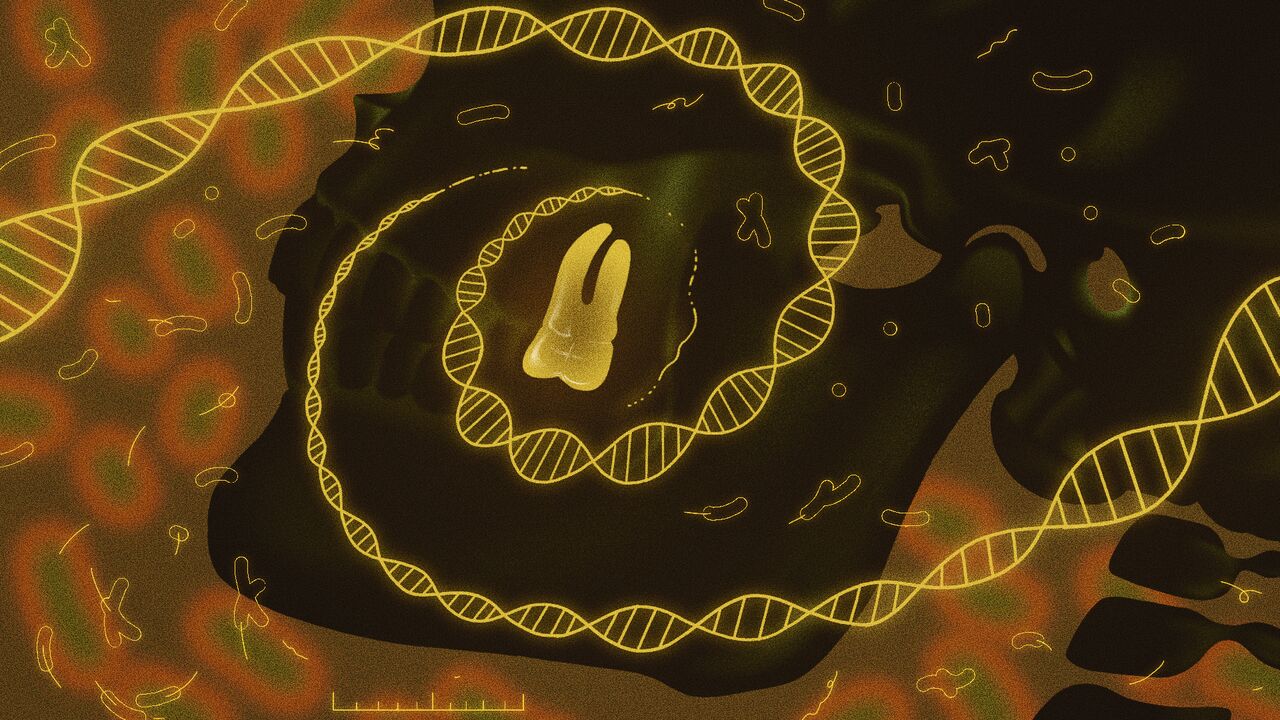
Ancient DNA confirms Yersinia pestis caused the Black Death
Dense cities do not seem to have been necessary for outbreaks of the disease
 economist.com·26d ago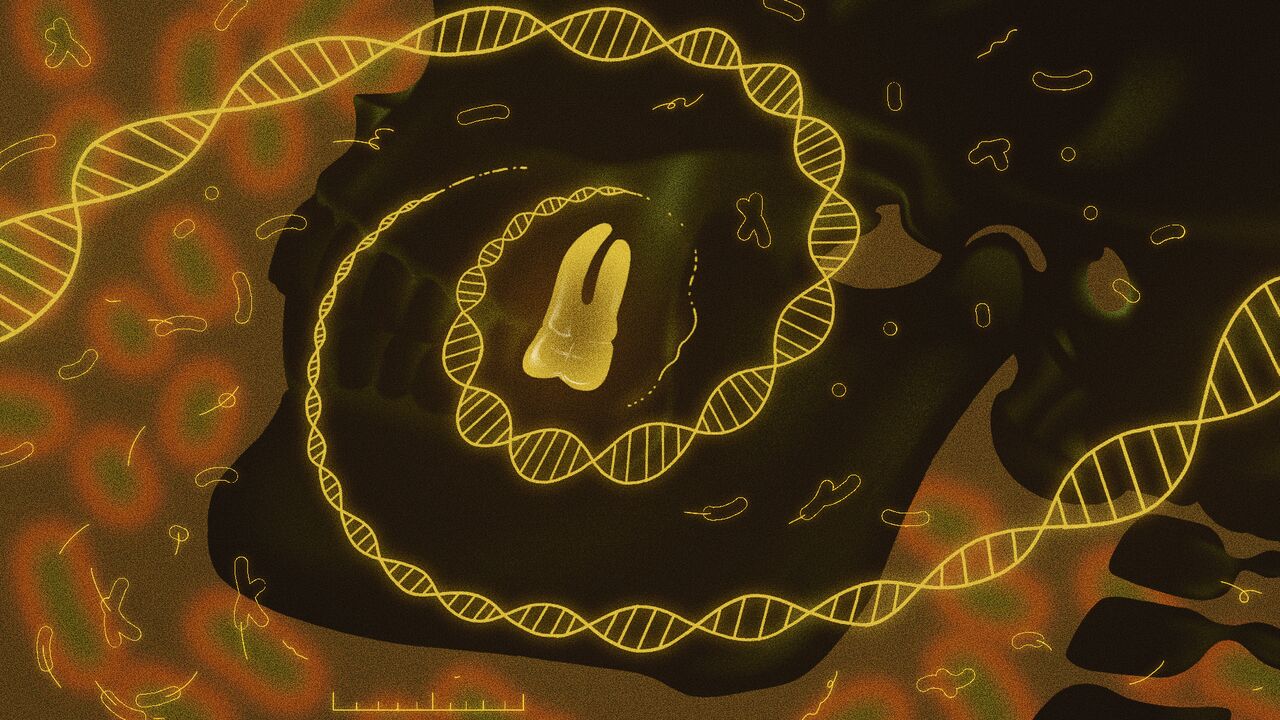
Ancient DNA from London cemetery confirms Black Death was caused by Yersinia pestis plague
Dense cities do not seem to have been necessary for outbreaks of the disease
economist.com·23d ago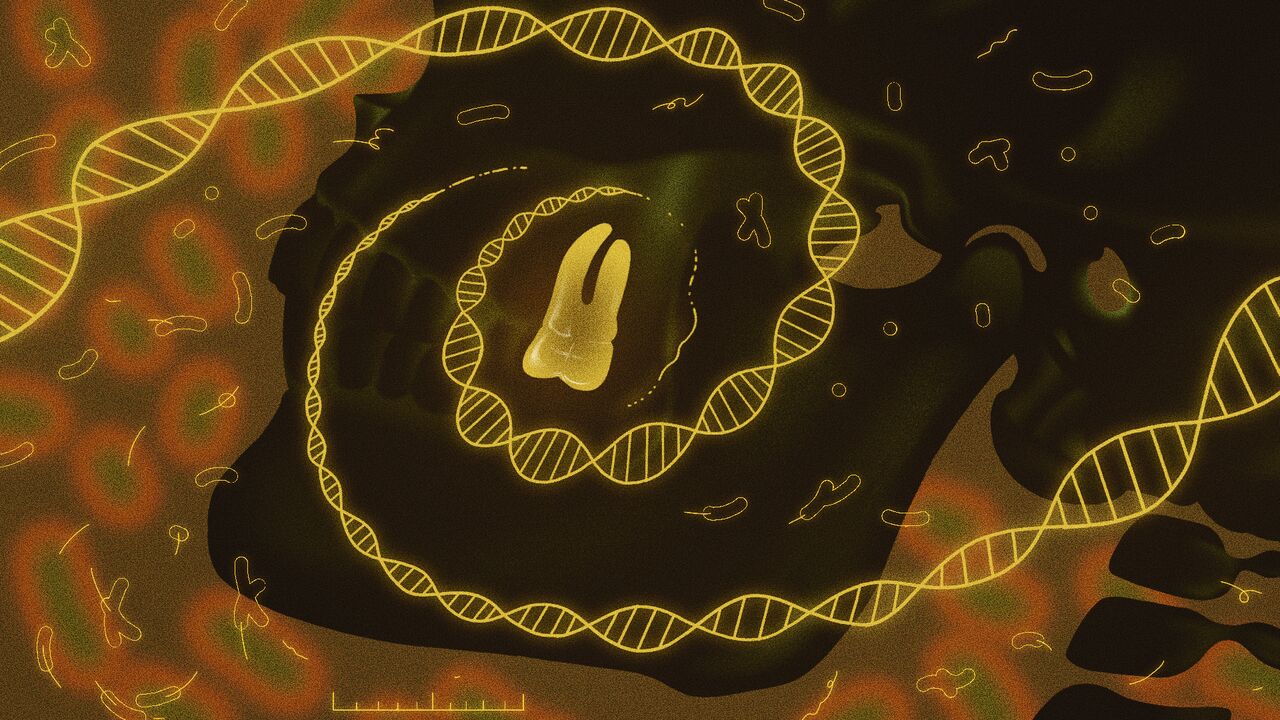
Ancient DNA confirms Black Death was plague and challenges assumptions about urban spread
Dense cities do not seem to have been necessary for outbreaks of the disease
economist.com·21d ago
DNA analysis of Siberian hunter-gatherer graves reveals oldest known plague outbreaks, study finds
A hunter-gatherer cemetery in Siberia has rewritten the history of plague and the spread of disease before farming.
 washingtonpost.com·29d ago
New DNA Tech Identifies Soldier Killed in America's Revolution in 1780
South Carolina's pine forests "have spent centuries hiding a secret as old as America itself," reports CBS News: In August 1780, British and
Slashdot·12d ago
Comments
Sign in to join the conversation.
No comments yet. Be the first.