





















Ancient DNA Analysis Reveals Diseases That Killed Napoleon's Soldiers in 1812 Russian Campaign
By
reaperducer

Sat on the counter overnight. Well past its best.
Summary
Scientific analysis of ancient DNA from Napoleon's soldiers' teeth reveals that diseases like typhus, trench fever, and other infections were major causes of death during the 1812 Russian campaign, rather than direct combat. The research shows how illness combined with extreme cold, starvation, and exhaustion decimated the French army.
Key quotes
· 3 pulledBy fall, his ill-fated troops began to leave for encampments along the Russian border, where an estimated 300,000 of them were eventually mowed down not by military might, but by illness coupled with extreme cold, starvation and exhaustion.
Scientists analyze ancient DNA to uncover the diseases that killed Napoleon's troops in 1812.
The Russians retreated but burned the countryside as they withdrew, using scorched-earth tactics that eventually left Napoleon's troops occupying a ruined Moscow.
You might also wanna read


Archaeological Study Finds Physical Evidence of Roman Medical Use of Human Feces
A study published in the Journal of Archaeological Science provides the first physical evidence that ancient Romans used human feces in medi
 The Onion·3mo ago
Second Anglo-Saxon oven unearthed at Felton dig site in Northumberland
Archaeologists have uncovered a second oven during their fourth dig at an Anglo-Saxon site near Felton, Northumberland. The site, popular wi
 bbc.co.uk·1d ago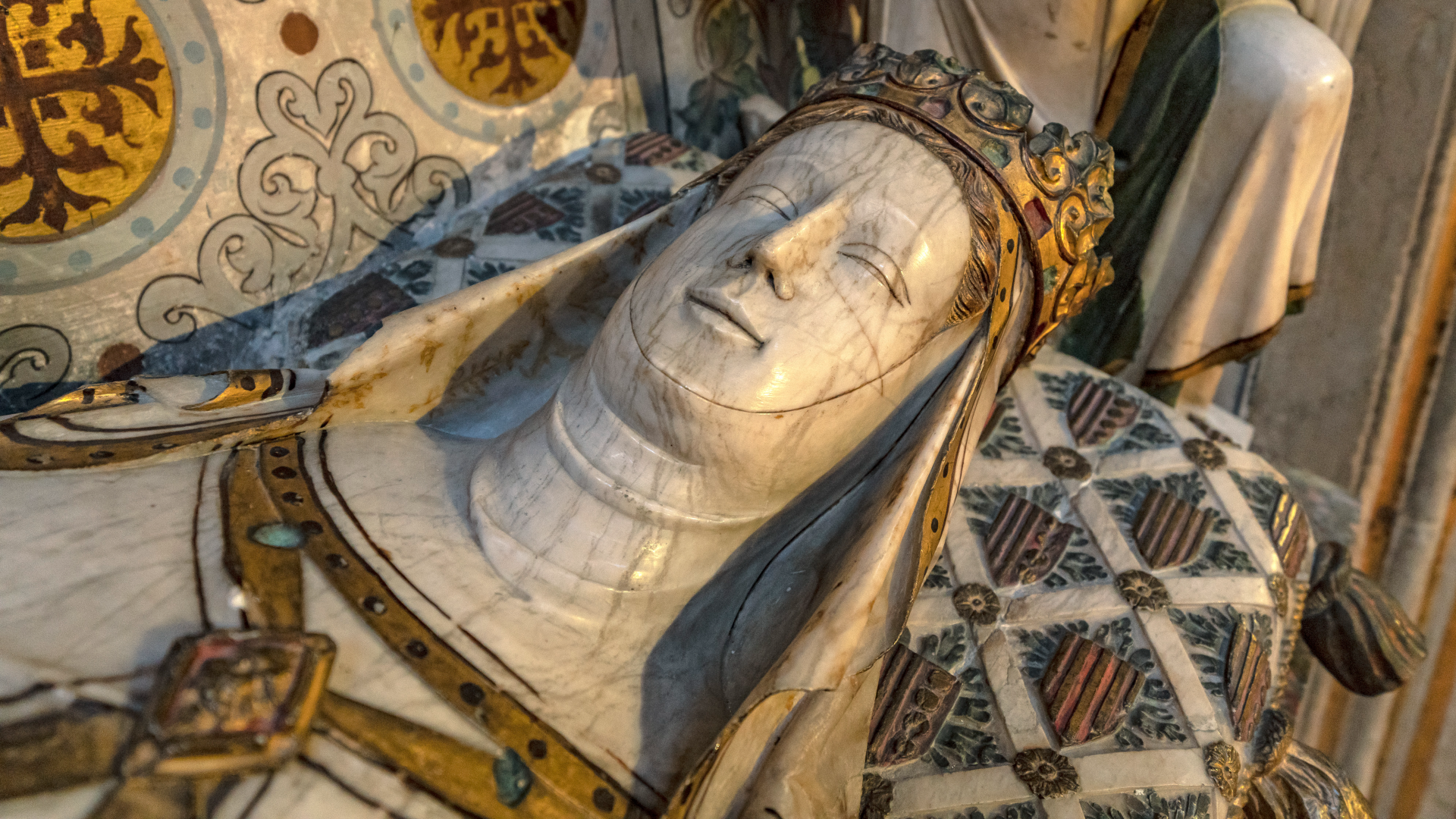
Skeletal remains of Queen Elisenda of Montcada and 24 others discovered in Barcelona monastery excavation
Archaeologists in Barcelona opened eight 14th-century graves at the Royal Monastery of Santa Maria Pedralbes and discovered 25 skeletons, in
 livescience.com·2d ago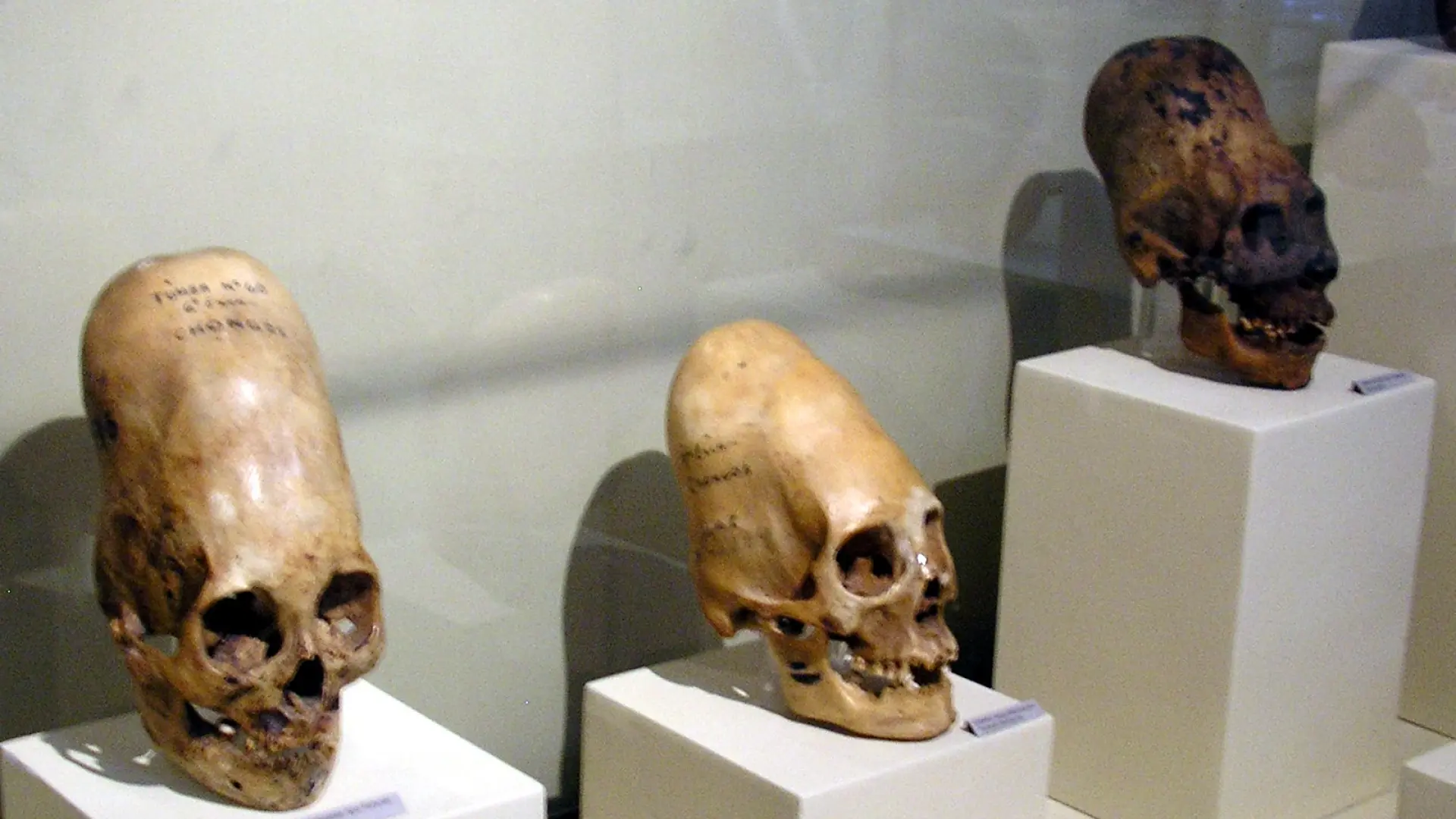
Cráneos de Paracas en Perú: el debate científico entre la deformación cultural y las teorías extraterrestres
Un artículo que analiza los cráneos alargados descubiertos en Paracas, Perú, por el arqueólogo Julio C. Tello en 1928. Se discuten las teorí
 20minutos.es·2d ago
1,200-year-old gold and silver hoard discovered along medieval Hajj route in Saudi Arabia
Archaeologists in Saudi Arabia have discovered a 1,200-year-old clay pot containing over 100 gold, silver, and gemstone-encrusted artifacts
livescience.com·4d ago
The Psychology and History of Why We Sleep Under Blankets, Even in Summer Heat
This article explores the psychological and historical reasons why humans feel compelled to sleep under blankets, even during hot weather. I
 atlasobscura.com·6d ago