
























Understanding the nature and nurture of callous-unemotional traits: The role of anxiety
By
Rachel Tomlinson and Patrizia Pezzoli
5mo ago
Source
 acamh.orgUnderstanding the nature and nurture of callous-unemotional traits: The role of anxietyacamh.org
New research using the twin design reveals that anxiety levels in children with callous-unemotional (CU) traits can tell us something important about the origins of these traits. The post Understanding the nature and nurture of callous-unemotional traits: The role of anxiety appeared first on ACAMH .
You might also wanna read

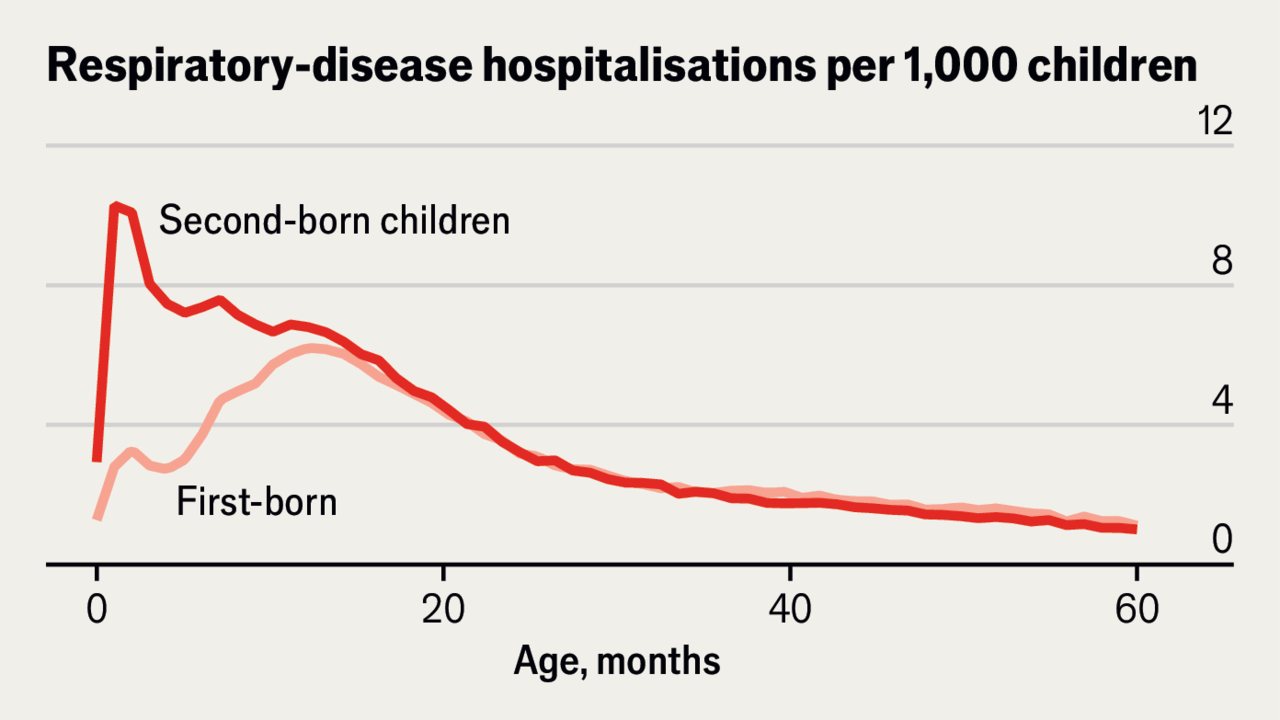
Study suggests early germ exposure may explain cognitive advantages in first-born children
A brief article discussing research that challenges traditional stereotypes about birth order and personality. While first-born children ten
 econ.st·7d ago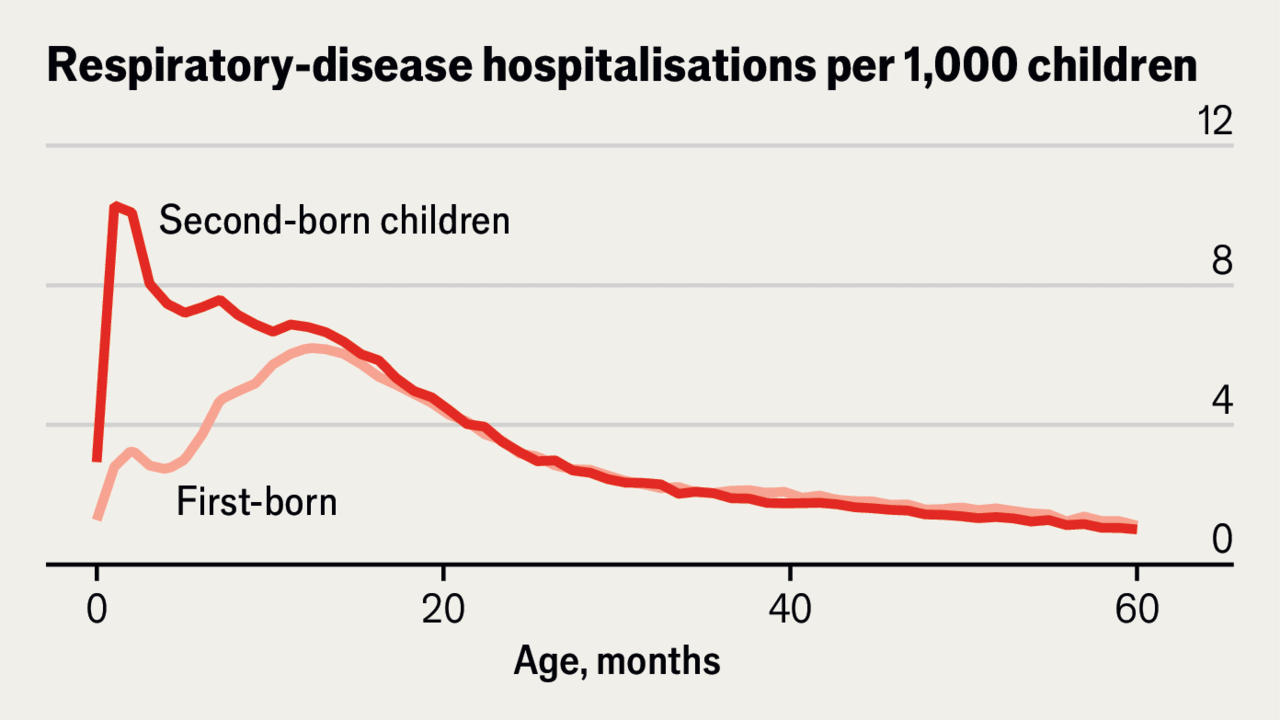
Study suggests germs, not personality, may explain why first-born children outperform siblings
A new study suggests that the reason first-born children tend to outperform younger siblings in educational achievement and income may be re
econ.st·17d ago
Study finds rise in fear-based perfectionism among young adults poses risks for medical training
A new meta-analysis published in Psychological Bulletin reveals that perfectionism among college students has risen substantially since the
 mdsc.pe·10d ago
Methylome-wide association study in blood suggests cell type-specific relationships between DNA methylation and lifetime anxiety
doi.org·1d ago
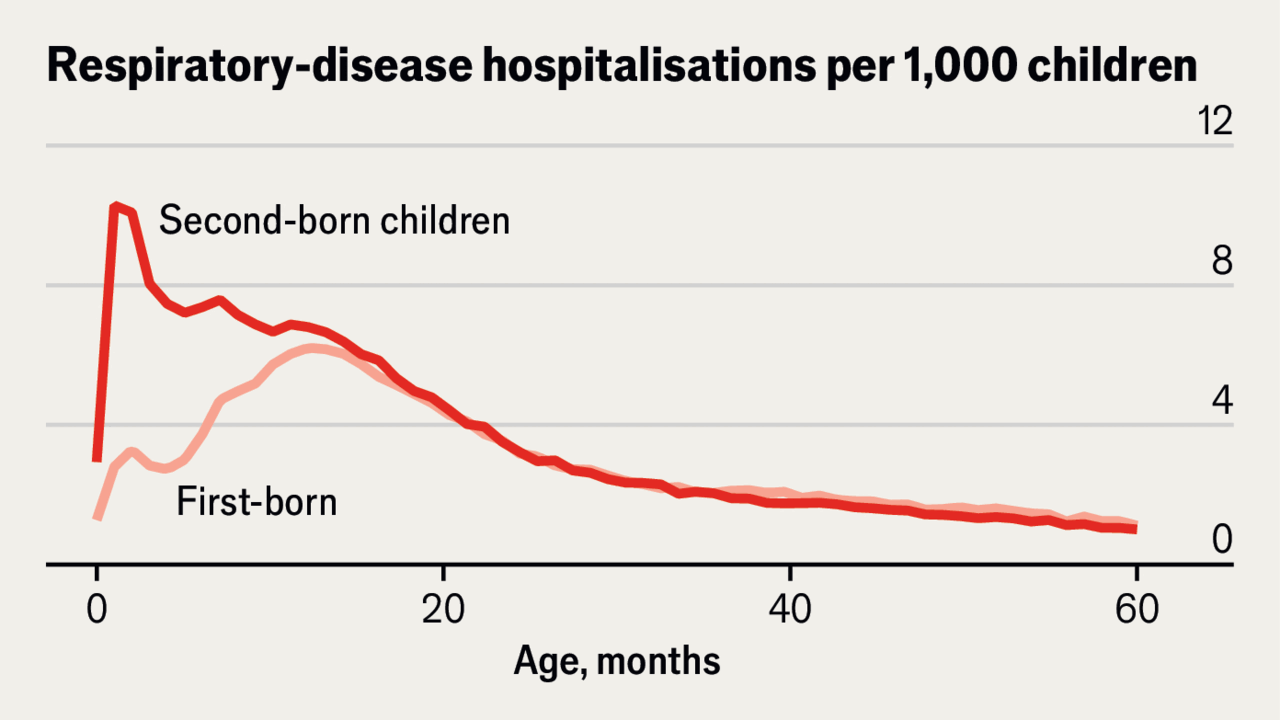
Study suggests germ exposure may explain why first-born siblings achieve more
A new study suggests that birth order effects on success (first-borns achieving higher education and income) may be linked to germ exposure
econ.st·1mo agoThe Child-Like Role of Dogs in Western Societies
econtent.hogrefe.com·1y ago
Comments
Sign in to join the conversation.
No comments yet. Be the first.