
























Study Finds Warming Temperatures and Solar Radiation Boost Carbon Fixation in US Tidal Wetlands
By
Rebecca Owen
Summary
New research published in Global Biogeochemical Cycles examines gross primary productivity (GPP) in tidal wetlands across the United States. The study suggests that warming temperatures and increased solar radiation have boosted carbon fixation in these ecosystems, which provide critical services including carbon sequestration, climate regulation, biodiversity support, and shoreline protection. As climate change progresses, the amount of carbon captured by tidal wetlands may be shifting.
Source

 dailyclimate.orgStudy Finds Warming Temperatures and Solar Radiation Boost Carbon Fixation in US Tidal Wetlandseos.org
Key quotes
· 3 pulledCarbon sequestration, climate regulation, biodiversity support, and shoreline protection: These are all benefits provided by tidal wetlands.
As the climate changes, the amount of carbon captured by these vital ecosystems may be changing as well.
Gross primary production (GPP) describes how much carbon is fixed by vegetation via photosynthesis.
You might also wanna read
Satellite record reveals US tidal wetland productivity rose 6% in 20 years


Study links shoreline migration to blue carbon storage in coastal river deltas
This article highlights a study by Silvestre et al. [2026] published in AGU Advances, which presents an experimental framework linking shore
eos.org·8d ago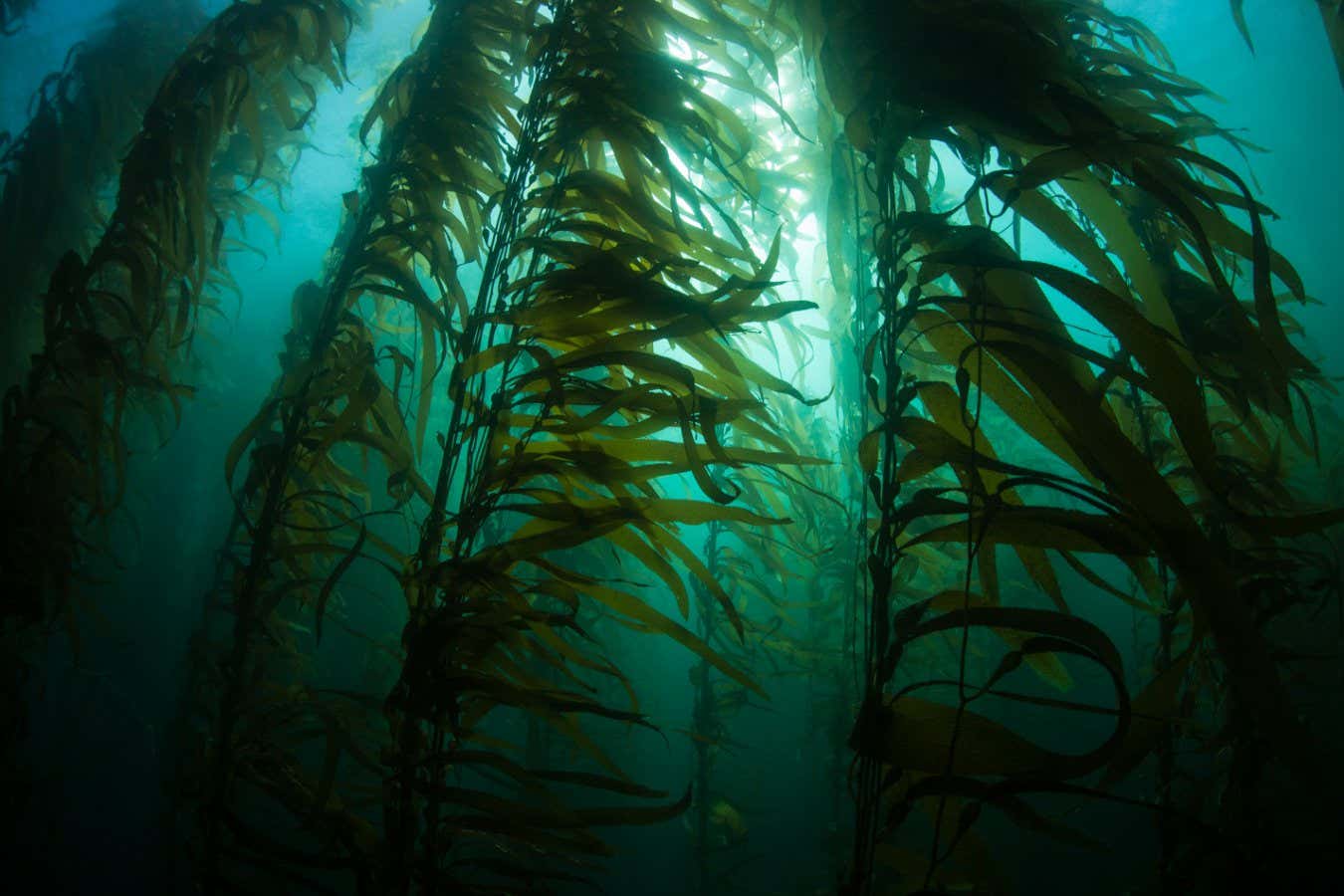
Seaweed-based carbon removal technique may increase CO2 due to ocean nutrient disruption
Seaweed cultivation, touted as a promising carbon dioxide removal technique with tens of millions in investment, may backfire due to uninten
 newscientist.com·11d ago
Quantifying farmed kelp atmospheric CO2 uptake and release through localized air-sea flux measurements in the Northern Gulf of Alaska
 os.copernicus.org·21d ago
Solar farm on rewetted peatland boosts bird biodiversity while storing carbon
A solar farm built on rewetted peatland in Germany is supporting more bird species than drained agricultural fields, demonstrating that rene
newscientist.com·29d ago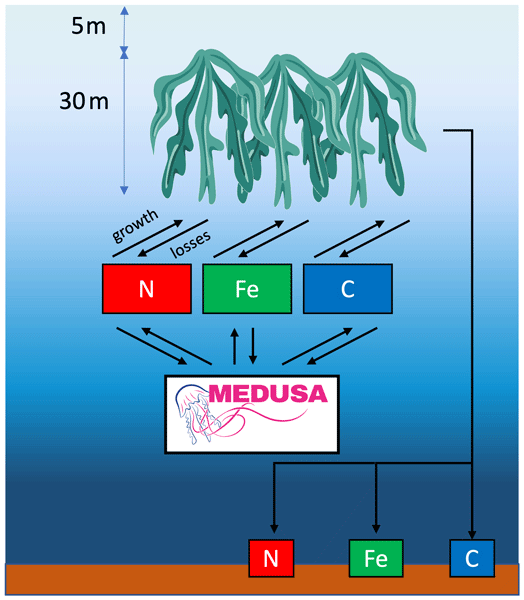
Study finds large-scale seaweed cultivation offers low carbon removal potential with significant ecological costs
This study uses a new macroalgae aquaculture module within the NEMO-MEDUSA ocean biogeochemistry model to assess the potential of large-scal
 bg.copernicus.org·28d ago
Comments
Sign in to join the conversation.
No comments yet. Be the first.