
























The slow discovery of plate tectonics: Why continental drift took centuries to uncover
By
wip-admin
Summary
This article explores the history and development of plate tectonics theory, framing continental drift as fundamental to geology as natural selection is to biology. It examines why it took scientists hundreds of years to discover plate tectonics, tracing the intellectual journey from early observations of matching coastlines to the modern understanding of mobile plates floating on molten rock. The piece discusses how plate tectonics explains earthquakes, mountain formation, deep sea trenches, and fossil distribution, positioning it as a paradigm-shifting scientific framework that revolutionized geology.
Source

 Twitter / XThe slow discovery of plate tectonics: Why continental drift took centuries to uncoverworksinprogress.co
Key quotes
· 3 pulledNothing in geology makes sense except in light of plate tectonics
Plate tectonics stands as a sort of Platonic ideal of what a scientific paradigm can achieve
Continental drift is as fundamental to geology as natural selection is to biology
You might also wanna read

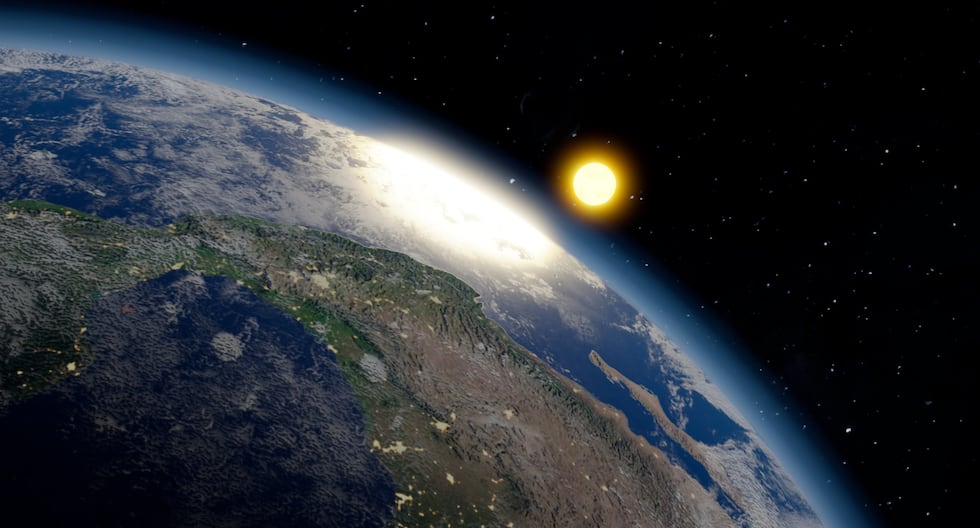
Estudio geológico revela que la península ibérica gira lentamente en sentido horario debido a tensiones tectónicas
Un estudio científico basado en el análisis de terremotos revela que la península ibérica está experimentando un lento giro en sentido horar
 elcomercio.pe·1mo ago
How shifting ocean pathways and continental shapes may have changed Earth's ice age cycles
The article explores how changes in ocean circulation pathways, driven by continental shifts, have triggered major climate changes in Earth'
 climateages.substack.com·23d ago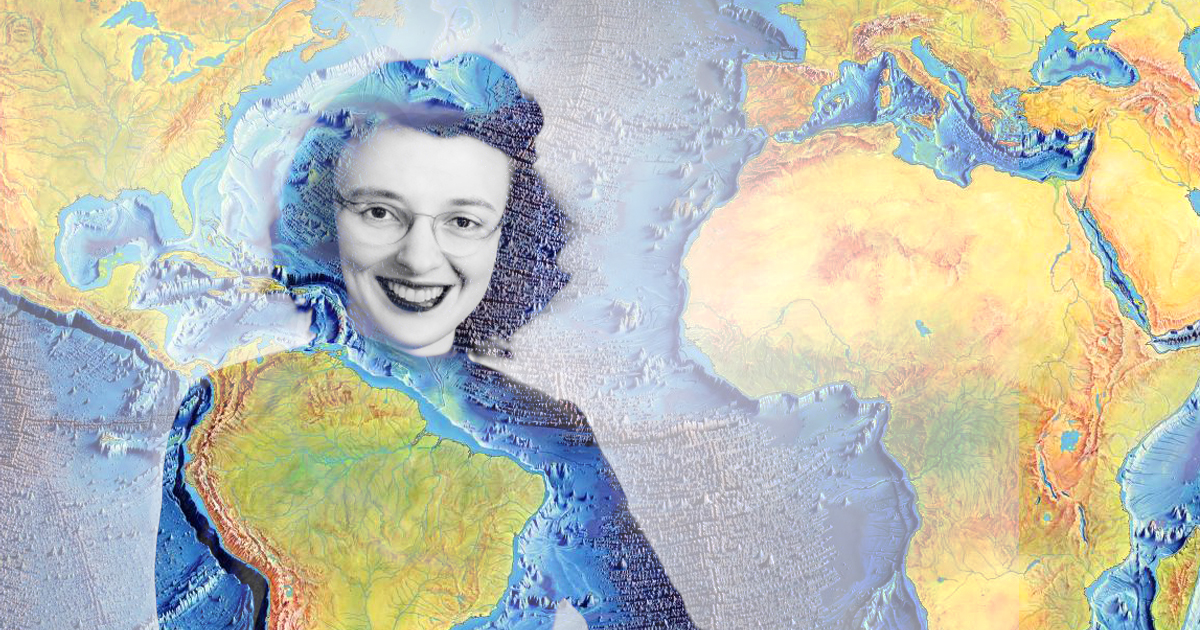
The Violinist-Geologist Who Mapped the Ocean Floor and Proved Continental Drift
An essay adapted from the book "Traversal" that opens with a poetic, narrative scene of a female geologist and violinist who discovers somet
 themarginalian.org·3d ago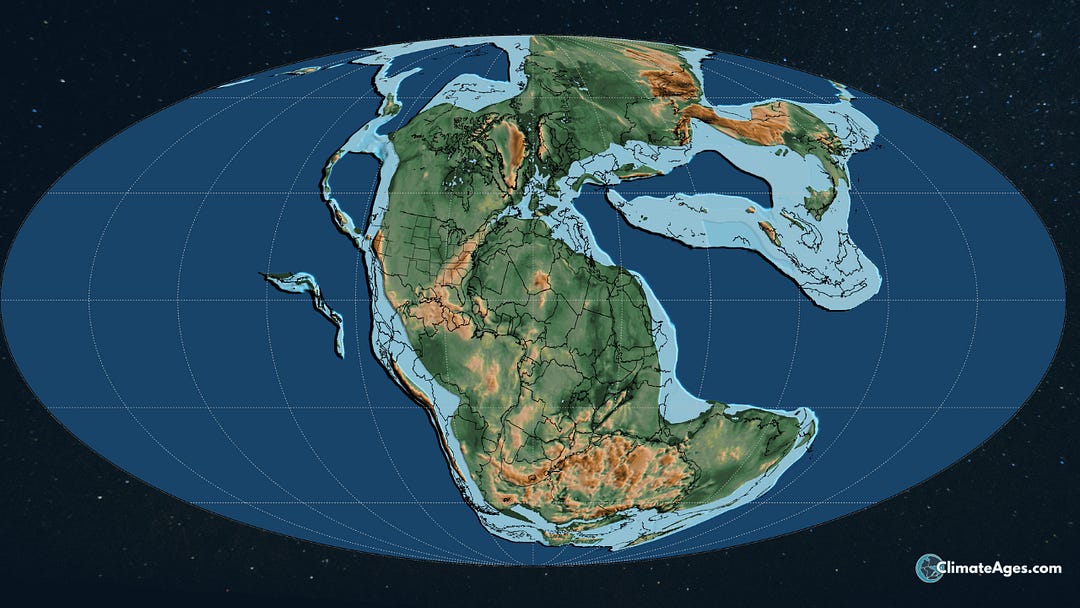
New evidence suggests ocean changes preceded the end-Triassic mass extinction by millions of years
New evidence suggests that the end-Triassic mass extinction (201 million years ago), which paved the way for dinosaurs to become dominant, m
climateages.substack.com·1mo agoSea-floor spreading captured by undersea observatory

Study Quantifies Impact-Generated Crustal Permeability on the Early Earth
This scientific study uses shock physics modeling to quantify the volume of impact-generated permeable (fractured) regions in the upper crus
 agupubs.onlinelibrary.wiley.com·27d ago
Comments
Sign in to join the conversation.
No comments yet. Be the first.