





















Arbuscular mycorrhizal fungi: A 110-quadrillion-kilometer underground network that helps regulate Earth's climate
By
Matt Simon
Summary
Arbuscular mycorrhizal fungi form vast underground networks spanning 110 quadrillion kilometers, connecting with the roots of nearly three-quarters of all plant species. These subterranean fungal networks play a critical role in keeping Earth cool and green by transporting enormous amounts of planet-warming carbon and facilitating nutrient exchange between plants. The article highlights the immense scale and climate significance of these often-overlooked organisms.
Source
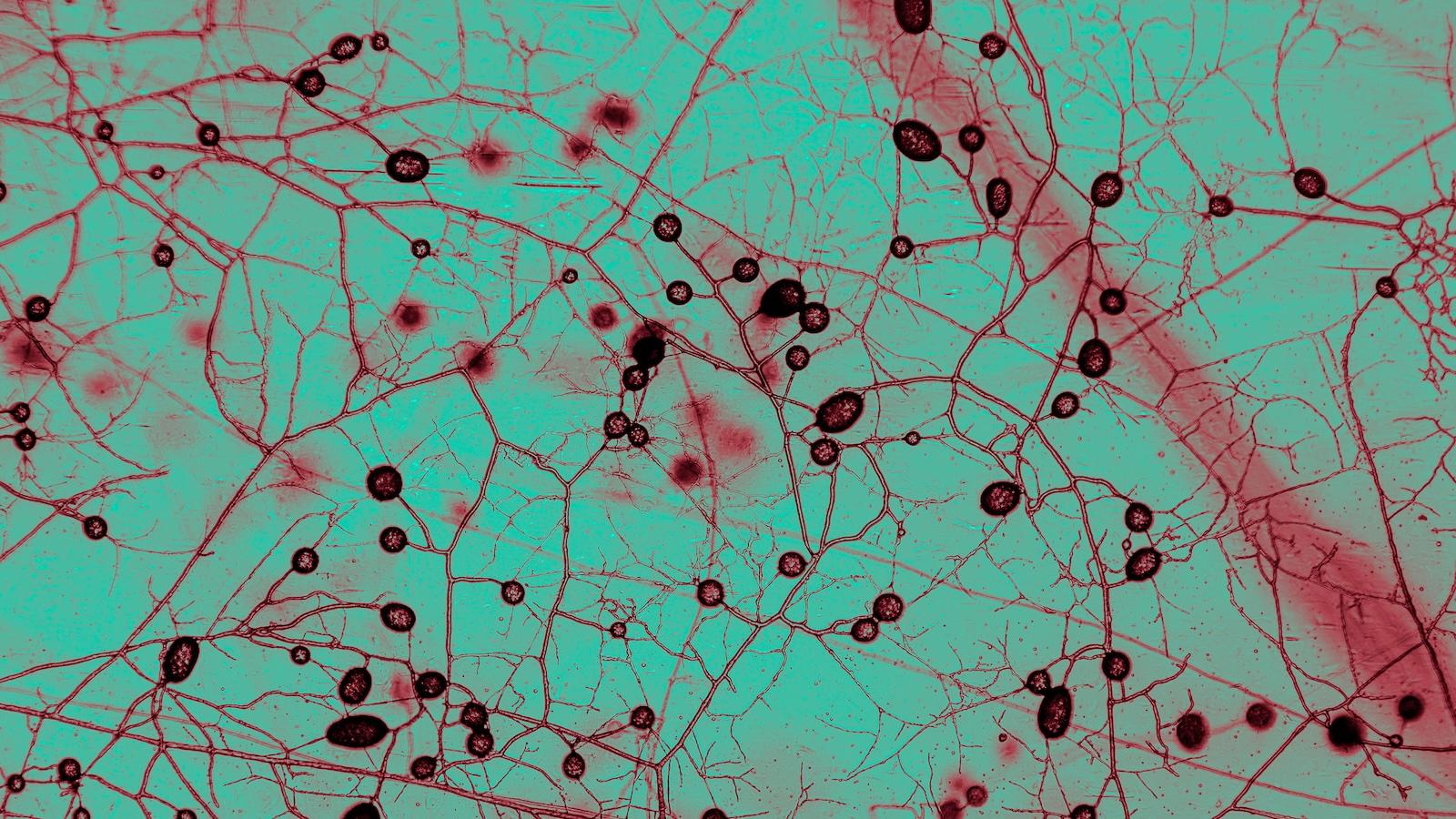
 bskyArbuscular mycorrhizal fungi: A 110-quadrillion-kilometer underground network that helps regulate Earth's climategrist.org
Key quotes
· 3 pulledEven if you don't like eating mushrooms, you're in debt to fungi.
Earth is so verdant in large part thanks to these partnerships, as this expansive infrastructure is associated with nearly three-quarters of all plant species.
Spanning 110 quadrillion kilometers, arbuscular mycorrhizal fungi transport an enormous amount of planet-warming carbon.
You might also wanna read


Global quantification of arbuscular mycorrhizal fungal network density and biomass
This article presents a scientific study on the global density and biomass of arbuscular mycorrhizal fungal (AMF) networks. AMF form symbiot
 science.org·7d ago
Global quantification of arbuscular mycorrhizal fungal network density and biomass
This article presents a scientific study on the global density and biomass of arbuscular mycorrhizal fungal (AMF) networks. AMF form symbiot
 scim.ag·1d ago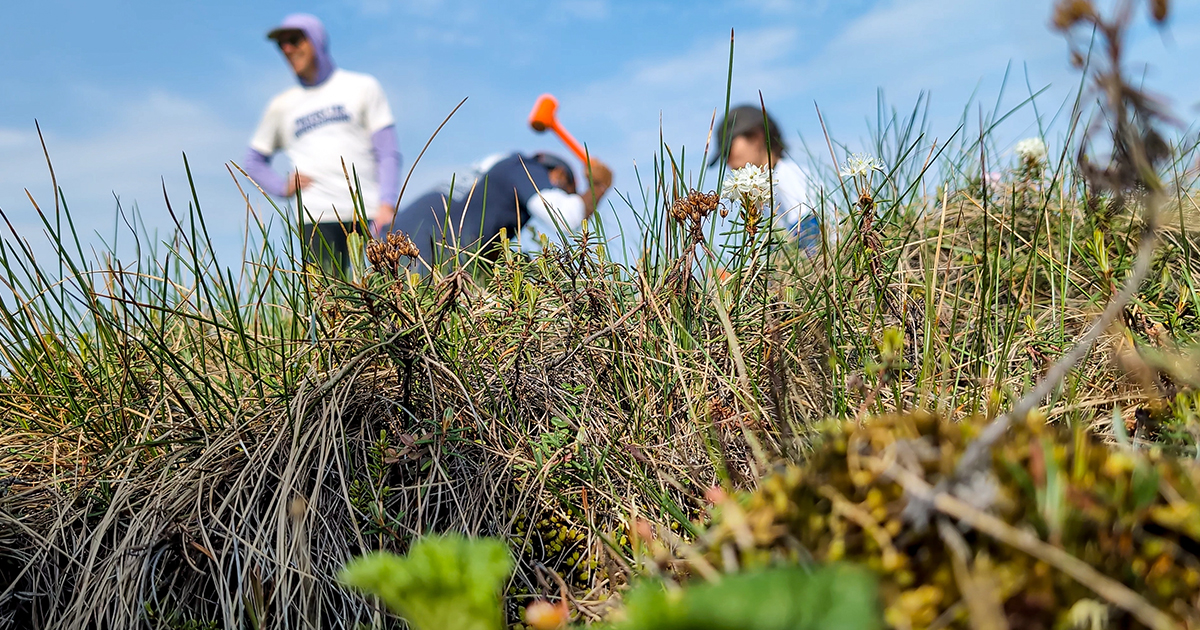
Arctic Research Expedition Studies Underground Fungal Networks and Carbon Storage
A team of biologists led by Michael Van Nuland embarks on an Arctic road trip along Alaska's Dalton Highway to study the critical undergroun
 quantamagazine.org·2mo ago
Redirecting

Geothermal Amoeba Sets New Upper Temperature Limit for Eukaryotes at 63°C
Researchers have discovered a novel geothermal amoeba, Incendiamoeba cascadensis, that divides at 63°C (145.4°F), establishing a new record
 biorxiv.org·6mo ago
Fungi Gain Recognition for Their Essential Ecological and Economic Roles
The article highlights the growing recognition of fungi's crucial ecological and economic importance after being historically overlooked. It
 e360.yale.edu·3mo ago