
























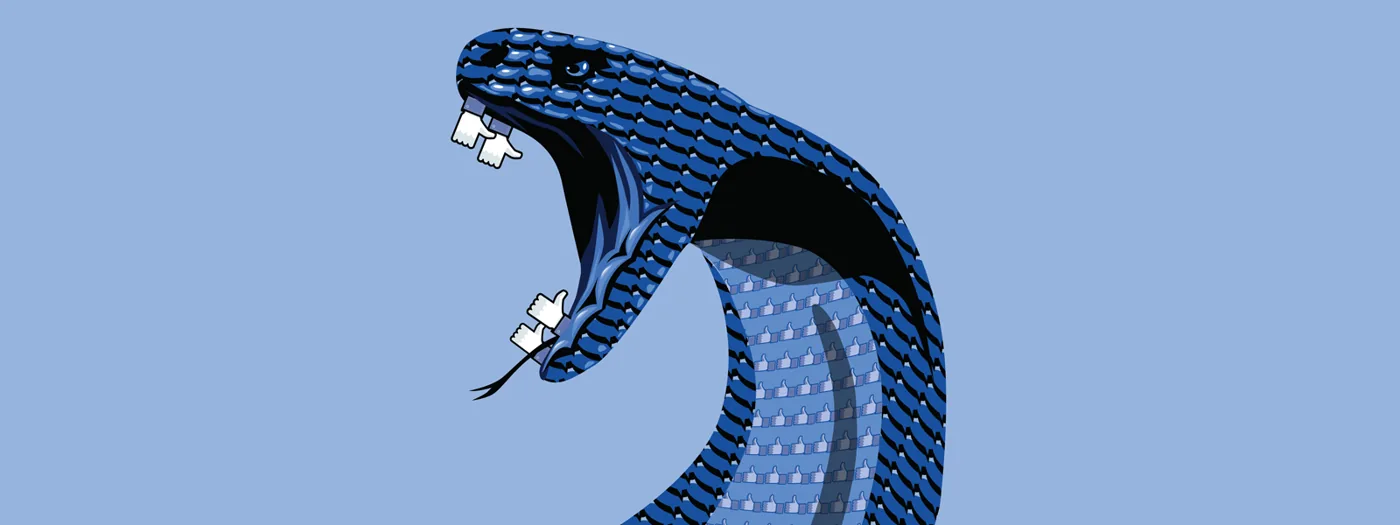
Misinformation spreads like a contagion; scientists should study it like one
By
Bob Holmes
Summary
This article examines the pervasive problem of misinformation and disinformation spreading online, drawing parallels between viral falsehoods and biological contagions. It highlights how false statements about COVID-19, vaccines, masks, and other topics spread rapidly through digital channels, and argues that scientists should study misinformation using epidemiological methods. The piece references a Cornell University study identifying President Trump as a leading source of COVID-19 misinformation, and explores the societal damage caused by the deliberate spread of false information.
Source
 bskyMisinformation spreads like a contagion; scientists should study it like oneknowablemagazine.org
Key quotes
· 3 pulledThe Internet is full of misinformation — that is, inaccurate statements — including the sinister, intentionally misleading subset known as disinformation.
Both are spreading, a contagion that imperils society just as surely as the coronavirus itself.
A new study by Cornell University researchers concludes that President Trump has been the leading
You might also wanna read


Research Reveals People Endorse Misinformation as Symbolic Victory Rather Than Belief in Falsehoods
New research published in the Journal of Social Psychology reveals that some people endorse easily disproven misinformation because they vie
 theconversation.com·8mo ago
COVID-19/Coronavirus and Computer Attacks
Reflections on Early COVID-19 Pandemic Modeling and Public Understanding
The article reflects on the early days of the COVID-19 pandemic, focusing on how people initially misunderstood the mathematical models of v
 raphkoster.com·7mo ago
The Rise of Conspiracy Physics and Epistemic Collapse in Academic Science
The article discusses the phenomenon of 'conspiracy physics' where online streamers are building large audiences by attacking academic physi
Emerging Threats: Covid-19 Fraud and Cyber Attacks

Study Exposes Sophisticated Global Networks Behind Scientific Fraud
An alarming analysis reveals the growing sophistication and scale of scientific fraud, with paper mills, publishers, journals, and brokers f
 science.org·11mo ago
Comments
Sign in to join the conversation.
No comments yet. Be the first.