
























The Rise of Conspiracy Physics and Epistemic Collapse in Academic Science
For a long time now fundamental theoretical physics has been suffering not just from a slowdown in progress, but from a sort of intellectual collapse (I wrote about this here a while back in the co…
Read the full articleYou might also wanna read

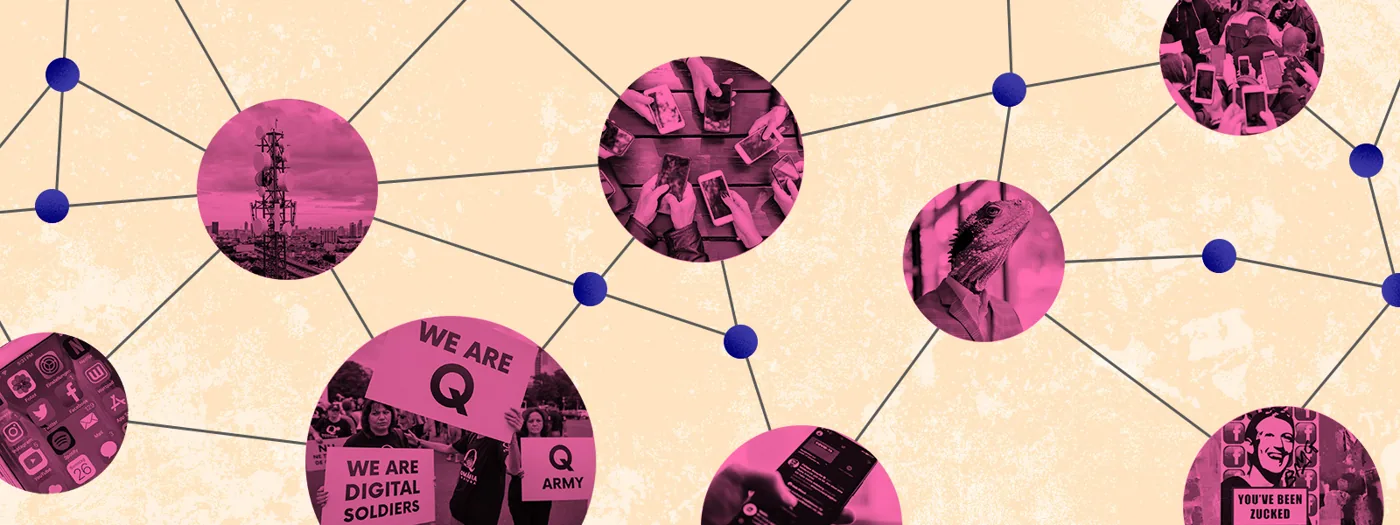
How conspiracy theories and false claims spread in the age of social media
Misinformation is running rampant. To slow this infodemic, researchers are tracking how it spreads on social media.
 knowablemagazine.org·12d ago
The Mainstreaming of Alien Conspiracy Theories and America's Return to Magical Thinking
Alien conspiracy theory is getting respectable (with a little help from "Disclosure Day"), and it has helped bring America back to magical t
 Variety·1mo ago
Democracy and the Epistemic Problems of Political Polarization: An Academic Analysis
Democracy and the Epistemic Problems of Political Polarization - Volume 118 Issue 4
 cup.org·18d ago
“An unexplained annual spike in false claims on the EA Forum” by Tobias Häberli
Epistemic status: Very high confidence in the statistical findings. Genuinely confused about the cause. For reasons that will become obvious
BREAKING: Peter Thiel's "Secret Doomsday Society" Running Your Government Just Got Hacked, And Holy Shit.
Me: "I'm not a conspiracy theorist." The world: "U sure? There's some crazy things that *could* be true." Me: "I'm a scientist. I don't beli

How AI-powered cognitive manipulation is fueling the disinformation crisis
Advanced AI and synthetic media are spreading disinformation, creating a global crisis that threatens to destabilize modern democracies.
 weforum.org·1mo ago
Comments
Sign in to join the conversation.
No comments yet. Be the first.